Parents mindful of added sugar
You’re preparing a child’s lunch and want to avoid added sugar, without mistaking this claim for a sugar-free juice.


For a child’s lunch during the school holidays, first choose a product whose description and ingredients match what you’re looking for, then compare the ‘of which sugars’ figure per 100 ml. ‘No added sugar’ does not mean ‘sugar-free’: according to Manger Bouger, juice should still be limited for children. Water should be their usual drink, and whole fruit should not be replaced with juice.
You’re preparing a child’s lunch and want to avoid added sugar, without mistaking this claim for a sugar-free juice.
You want to tell the difference between pure juice, juice from concentrate and nectar by checking the product description and ingredients, rather than relying on the word ‘diet’ alone.
You’re choosing a format to serve at home or when you’re out, taking into account the portions you plan to serve and storage instructions once opened.
When choosing apple juice for school holiday lunches, check the recipe before the pack size. Pure juice, juice from concentrate and nectar can’t be distinguished by their packaging alone. None of these descriptions replaces checking the ingredients and nutritional information.
| What to check | Look for | Who is it for? |
|---|---|---|
| Added sugars | The ingredients list and the ‘of which sugars’ figure per 100 ml. | For a child’s lunch, I want to avoid added sugar without mistaking this claim for an absence of sugars. Around 44% of consumers put this need first. |
| Type of recipe | The description ‘pure juice’, ‘juice from concentrate’ or ‘nectar’, followed by the ingredients. | If I want to know exactly what the drink contains, I check whether it’s apple juice or nectar before choosing. Nearly 33% of consumers prioritise being able to understand the recipe. |
| Portions and storage | A volume suited to the portions you plan to serve, and storage instructions once opened. | During the holidays, I prefer a pack size the family can finish within the stated storage period. This is the top priority for around 23% of consumers. |
Naturally occurring sugars are still included in the nutritional information. For example, a product listing for a JOKER juice published by Carrefour gives 9.8 g of sugars per 100 ml, despite the ‘no added sugar’ claim.
Compare the ‘of which sugars’ figure per 100 ml across products, and read the ingredients of the one you’re buying.
The recipe can be quite different. A Pampryl apple nectar described by Jus de Fruits Caraïbes contains at least 50% apple juice, as well as water and sugar.
If you’re looking for apple juice with no added sugar, check the product description and ingredients rather than relying on the word ‘apple’ on the front of the pack.
According to Manger Bouger, juice contains sugars and is low in fibre, so it’s less filling than whole fruit. The organisation recommends limiting juice, including varieties with no added sugar.
If you serve juice with lunch, offer a small portion, make water the usual drink and serve a piece of whole fruit separately.
Instructions vary by product. For its 1 L apple juice from concentrate, Auchan recommends refrigerating it and consuming it within five days of opening.
Choose a volume based on the portions you’ll actually serve, and follow the instructions on the bottle or carton you buy.
Any juice left over beyond the stated period may have to be thrown away.
These products are examples of recipes and labels you can compare. The details given apply to the specific products listed, not to every drink from each brand.
A 1 L apple juice from concentrate presented as having no added sugar.
The product reviewed is a 1 L 100% pure apple juice with no added sugar.
A 1 L apple juice from concentrate with no added sugar.
A 1 L organic pure apple juice. For this product, E.Leclerc says the apples are of French origin and it is made in France.
These drinks include apple juices and a mango and apple nectar. If you’re looking for apple juice only, distinguish the nectar from the other products and check the ingredients, the ‘of which sugars’ figure and storage instructions once opened for each product.
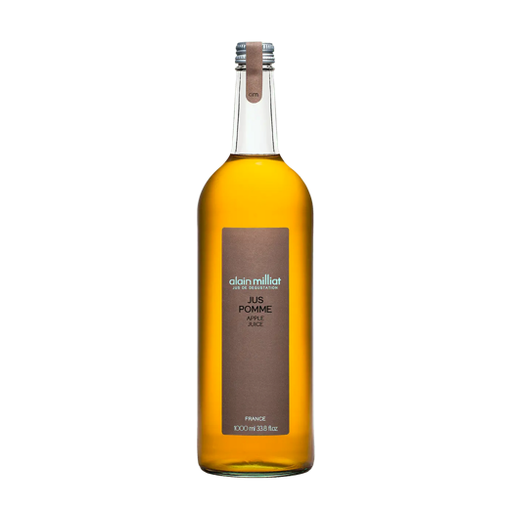 Image unavailable
If you’re looking for a 1 L apple juice for several lunches, check the ingredients and sugar content per 100 ml before choosing. Also follow the storage instructions once opened.
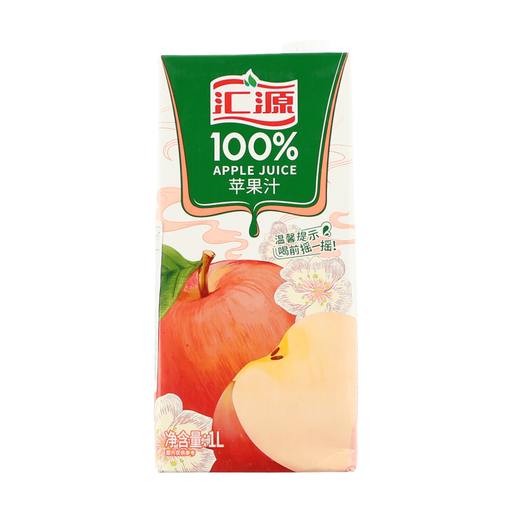 Image unavailable
If you’re looking for apple juice from concentrate, check the product description and ingredients on this 1 L pack. Then compare its ‘of which sugars’ figure per 100 ml with those of the other products you’re considering.
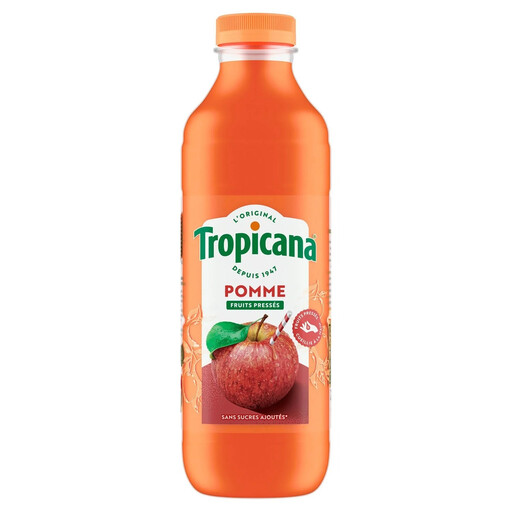 Image unavailable
If you prefer pressed apple juice, this 1 L bottle is that type of product. For a child’s lunch, also check the sugars per 100 ml and the storage instructions once opened.
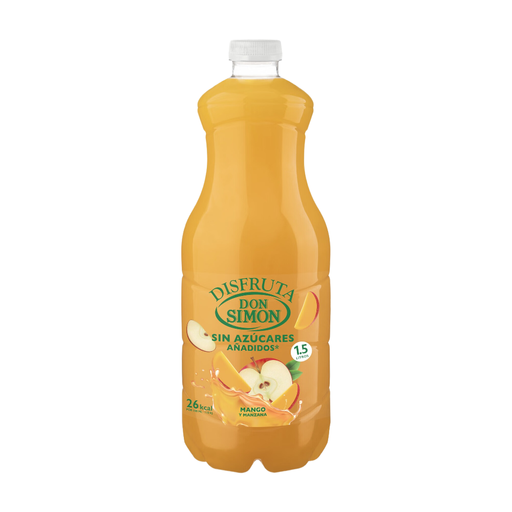 Image unavailable
This 1.5 L mango and apple nectar is worth considering if you’re not looking exclusively for apple juice. Check the ingredients list, including whether it contains a sweetener, and plan portions according to the storage instructions once opened.
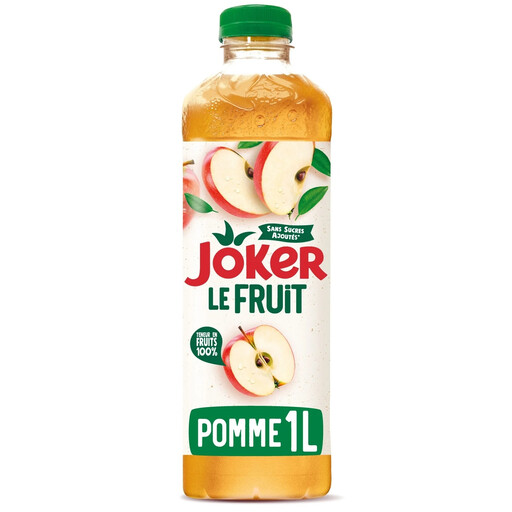 Image unavailable
If you’re looking for a 1 L apple juice with no added sugar, read the ingredients and check the ‘of which sugars’ figure on this product’s label. Check the figure before comparing it with another JOKER juice: these products shouldn’t be confused.
No. Naturally occurring sugars in the juice still count. For example, a listing for a JOKER apple juice published by Carrefour gives 9.8 g of sugars per 100 ml despite this claim. Check the figure for the product you choose.
No. For a child’s lunch, serve a piece of whole fruit separately. Manger Bouger points out that juice is low in fibre and less filling than whole fruit.
If you offer juice, serve a small portion and make water the usual drink. Manger Bouger recommends limiting all fruit juices and advises not having more than one glass a day.
Follow the storage period given for the product you’ve bought, as it can vary. For its 1 L apple juice from concentrate, Auchan recommends refrigerating it and consuming it within five days of opening.
No. On its own, this word doesn’t tell you whether the drink is pure juice, juice from concentrate or nectar, or how much sugar it contains. Read the product description and ingredients, and check the sugars per 100 ml.