Runners planning their fuelling
You want to tell the difference between apple juice and a drink formulated to provide carbohydrates and sodium during prolonged exercise.


Choose pure apple juice in a glass bottle to enjoy before or after a run, rather than automatically treating it as a substitute for a sports drink during a marathon. The Australian Institute of Sport describes sports drinks that combine carbohydrates and sodium; the Auchan product listing for AUCHAN BIO pure juice states that it contains carbohydrates but less than 0.01 g of salt per 100 ml. Try your choice during training and check the event rules on containers.
You want to tell the difference between apple juice and a drink formulated to provide carbohydrates and sodium during prolonged exercise.
You’re looking for a recipe made with apples in a glass bottle, and want to know about the ingredients and storage instructions.
You want to check the juice description, bottle material and amount of sugars listed in the nutritional information.
First decide whether you’ll drink it during the race or at another time. This affects how important sodium, a glass bottle and storage after opening are to your choice.
Choose it: to enjoy before or after a run, if the recipe and glass bottle matter to you.
Bear in mind: the carbohydrates in juice alone don’t show that it can do the job of a carbohydrate-electrolyte drink during a race.
Consider it: for prolonged exercise when you’re looking for a drink formulated to combine fluids, carbohydrates and sodium.
Bear in mind: it won’t satisfy a craving for pure juice in a glass bottle, and you should also test how well you tolerate it during training.
| Criteria | What to check | Who it’s for |
|---|---|---|
| Fuelling during the race | Compare the carbohydrates and sodium per 100 ml, then check which containers are allowed. The Australian Institute of Sport describes sports drinks containing 4 to 8 g of carbohydrates and 23 to 69 mg of sodium per 100 ml; the Auchan listing for AUCHAN BIO juice states 11 g of carbohydrates and less than 0.01 g of salt per 100 ml. | During a marathon, I want to plan both what I drink and my carbohydrate and sodium intake. Around 50% of shoppers put this fuelling need first. |
| Pure juice before or after exercise | Read the product description, ingredients and volume; check that your chosen option is supplied in glass. | For a drink before or after my run, I prefer a recipe made with apples and a glass bottle. This is the top priority for around 30% of shoppers. |
| Label and storage | Check the “of which sugars” line, the bottle material and the stated storage period after opening. | If I plan to serve the bottle over several days, I want to understand what’s in the juice and when to finish it. Reading the label and checking storage instructions is the priority for around 20% of shoppers. |
Juice provides carbohydrates, but that alone doesn’t tell you whether it’s suitable for your planned fuelling. The Auchan listing for AUCHAN BIO juice states that it contains less than 0.01 g of salt per 100 ml, while the sports drink formulation described by the Australian Institute of Sport includes sodium.
For your race, compare both values on the labels and try your fuelling strategy during training.
This claim doesn’t remove the sugars that are naturally present. Auchan listings for AUCHAN BIO, CŒUR DE POM' and THOMAS LE PRINCE pure juices state that they contain 10 to 11 g of sugars per 100 ml, depending on the product.
Check the “of which sugars” line in the nutritional information and relate the value to the portion you plan to drink.
The storage periods listed by Auchan vary: five days in the fridge for AUCHAN BIO and three days in a cool place for THOMAS LE PRINCE after opening.
Choose a size that suits how you’ll use it and follow the instructions on the bottle you buy.
An opened bottle that you don’t finish within the stated period could go to waste.
These pure juice options let you compare ingredients and suitability before or after a run; their inclusion here doesn’t mean they’re available on Joybuy.
Organic cloudy apple juice in a 1 L glass bottle, worth considering for drinking outside of a race.
Pure apple juice in a 1 L glass bottle for shoppers who prefer a recipe made with apples.
Organic pure apple juice in a 1 L glass bottle for drinking before or after a run.
This selection features a sports drink to consider when comparing fuelling options for exercise. It’s not apple juice in a glass bottle.
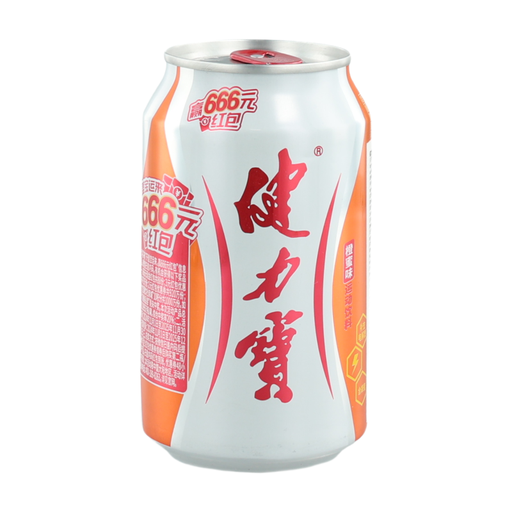 Image unavailable
To compare a sports drink with apple juice when planning your fuelling, check the carbohydrates and sodium listed on the product label.
Stated volume: 330 ml. Also check how well you tolerate it during training and the event rules on containers.
No, it isn’t an automatic substitute. The Australian Institute of Sport describes sports drinks containing 4 to 8 g of carbohydrates and 23 to 69 mg of sodium per 100 ml; the Auchan listing for AUCHAN BIO pure juice states that it contains 11 g of carbohydrates and less than 0.01 g of salt per 100 ml. Compare the labels and try your fuelling plan during training.
No: the claim alone doesn’t tell you how much naturally occurring sugar the juice contains. Auchan listings for the pure juices mentioned here state that they contain 10 to 11 g of sugars per 100 ml, depending on the product. Check the “of which sugars” line for the product and portion you’ve chosen.
Follow the storage period stated on the bottle you buy. Auchan listings advise keeping AUCHAN BIO in the fridge for five days after opening and THOMAS LE PRINCE in a cool place for three days. These instructions don’t automatically apply to other juices.
Start by reading the product description on the label rather than relying on the bottle’s appearance alone. The DGCCRF explains the differences between these categories in its guidance on juice and nectar labelling; then check the ingredients of the specific product you’re comparing.
Put the empty container in the glass recycling bin or bottle bank, following the guidance from the French Agency for Ecological Transition.