Students avoiding added sugars
You’re looking for a no-added-sugar recipe to enjoy with lunch now and then. Read the full wording carefully: the sugars naturally present in apples remain in the juice.


If you want to avoid added sugars at lunchtime, choose a juice labelled as having no added sugars and check its ingredients and the ‘of which sugars’ line: ‘no added sugars’ does not mean ‘sugar-free’. If your priority is not to make juice your usual drink at university, the French national health insurance service recommends choosing water instead and having a whole piece of fruit rather than juice.
You’re looking for a no-added-sugar recipe to enjoy with lunch now and then. Read the full wording carefully: the sugars naturally present in apples remain in the juice.
You want to tell pure juice apart from juice made from concentrate, or check whether water has been added. The ingredients list for the product you choose will answer this better than the word ‘diet’.
If juice often accompanies your meals, how frequently you drink it matters just as much as the recipe. The French national health insurance service recommends choosing water and reminds us that whole fruit provides fibre which juice cannot replace.
First decide whether you want to avoid added sugars, choose a particular recipe or take a bottle that’s easy to manage once opened. These criteria answer different questions.
| Criterion | What to check | Who it’s for |
|---|---|---|
| Added sugars | The exact wording, the ingredients and the sugars listed per 100 ml. | If I want to avoid added sugars, I can’t rely on the word ‘diet’ alone, as the juice still contains the sugars from the fruit. Around 44% of consumers would put no added sugars at the top of their list of criteria. |
| Size and storage | The volume and storage instructions after opening, especially if you don’t have access to a fridge. | For an individual lunch on campus, I’d prefer a container I can carry and finish without leaving a large open bottle in my bag. Around 33% of consumers would prioritise a format that’s easy to manage. |
| Type of recipe | The ingredients, the ‘pure juice’ label and whether water has been added. | If I’m mainly looking for a recipe made from 100% apples or pure juice, I want to know what’s in it without assuming that tells me its sugar content. Around 23% of consumers would put their choice of recipe first. |
A juice can contain no added sugar and still show the sugars naturally present in apples. For example, Auchan’s product information for Joker Le Fruit apple juice lists 9.8 g of sugars per 100 ml.
Compare the ‘of which sugars’ figure per 100 ml for the products you’re interested in, rather than assuming the sugar content from the wording on the front of the pack.
Once opened, a bottle should be stored according to the product instructions. For its apple juice made from concentrate, Auchan says to keep it in the fridge and consume it within five days of opening.
If you’re having lunch on your own and don’t have access to a fridge, choose a size that suits your meal or plan how you’ll store the rest in line with the label.
Without a way to store it after opening, some of a large bottle may go to waste.
These labels describe the recipe; on their own, they don’t tell you the nutritional values. Carrefour’s product information for Planet Bio pure apple juice describes a recipe made from 100% apples, with no added water, and lists 48 kcal per 100 ml.
Choose the recipe that suits you by checking the ingredients, then compare the sugar and energy figures per 100 ml separately.
Le Fruit apple juice with no added sugars is a product made from concentrate, sold in a 1 L bottle.
The range includes a 1 L carton of apple juice made from concentrate with no added sugars.
The retailer offers a 1 L carton of apple juice made from concentrate with no added sugars.
Auchan’s product information lists a 1 L pack of ‘100% sweet apple’ juice with no added sugars.
The pressed apple juice with no added sugars reviewed here is sold in a 1.15 L bottle.
These Joybuy sizes let you choose between a small bottle for one meal and one-litre bottles that need managing after opening. For each product, check its own label for ingredients and nutritional values.
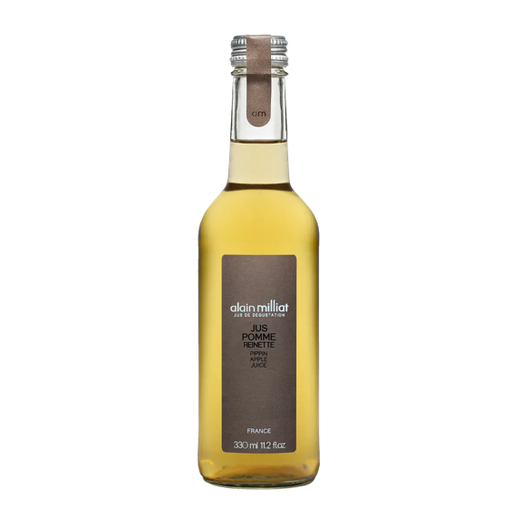 Image unavailable
The 33 cl size may suit you if you’re looking for a bottle to take with you for one lunch, rather than a litre to store after opening.
Check the sugars per 100 ml and the storage instructions on this product’s label.
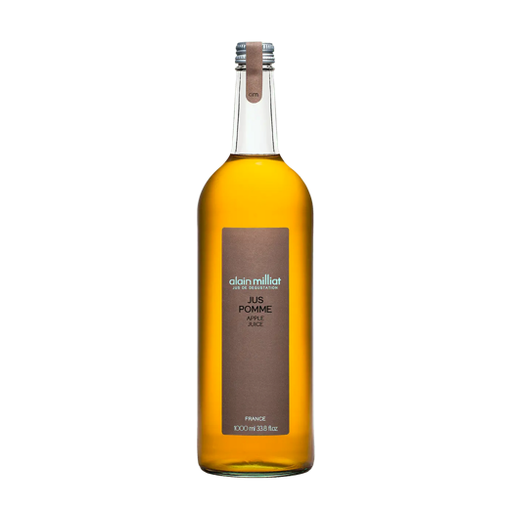 Image unavailable
This one-litre size works if you can share the bottle or store the rest as instructed after opening.
If you’re specifically looking for pure juice with no added sugars, check the ingredients and nutritional information for this product.
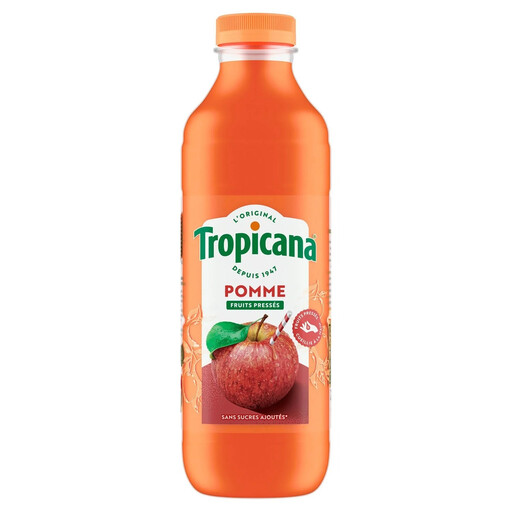 Image unavailable
If you prefer a juice described as pressed, check the ingredients in this one-litre bottle rather than assuming that the production method changes its sugar content.
If you’re taking it to university, also bear in mind the storage instructions once the bottle is open.
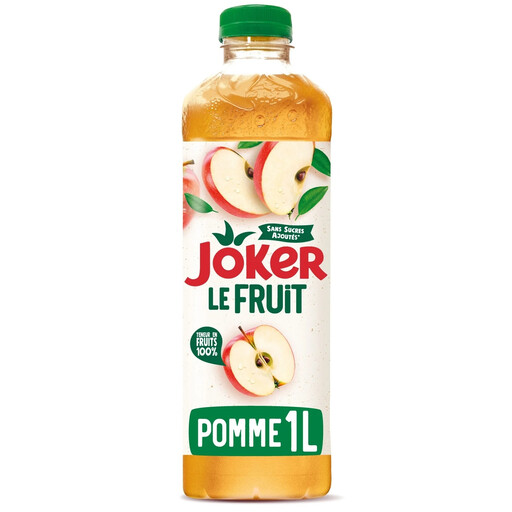 Image unavailable
This bottle may suit you if you’re looking for juice with no added sugars, but it isn’t sugar-free. Compare the ‘of which sugars’ figure before you choose.
If you’re planning to have it over several lunches, check the label for storage instructions after opening.
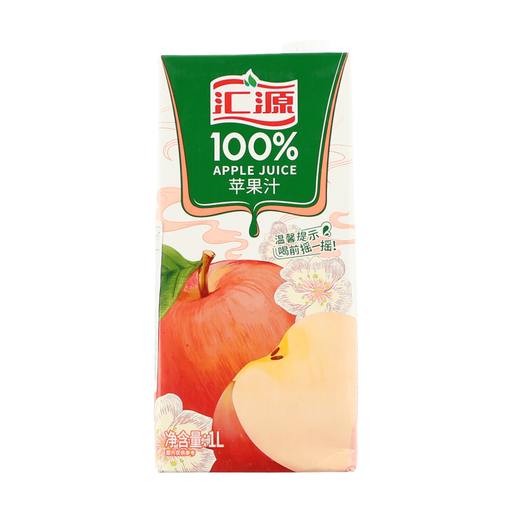 Image unavailable
If you’re considering this one-litre size for lunch, check the ingredients and sugars per 100 ml rather than relying on promotional wording.
Also follow the storage instructions after opening if you don’t finish the bottle with the same meal.
No: having no added sugars doesn’t remove the sugars naturally present in the juice. For example, Auchan’s product information for Joker Le Fruit apple juice with no added sugars lists 9.8 g of sugars per 100 ml. Check the figure for the product you’re planning to buy.
No: ‘pure juice’ describes the recipe, but isn’t enough to establish a difference in sugar content. To compare two bottles, check their ingredients lists and the ‘of which sugars’ line using the same unit.
Follow the instructions for the bottle you have rather than planning to keep it open in your bag. For its apple juice made from concentrate, Auchan says to refrigerate it after opening and consume it within five days. Check the instructions for any other product you choose.
For regular consumption, the French national health insurance service recommends choosing water and limiting fruit juice, even when it has no added sugars. It also says that juice doesn’t count as one of your daily portions of fruit and vegetables, and recommends choosing a whole piece of fruit instead for its fibre.