Hoteliers keeping an eye on declared sugars
You want to offer a juice with no added sugars while making it clear to guests that it still contains sugars naturally found in apples.


For a hotel breakfast, start by choosing the type of drink you want to serve: apple juice, pure juice and nectar are not the same recipe. If no added sugars is important to you, check the product description and ingredients. Don’t describe it as “sugar-free”, as the sugars naturally found in apples still need to be taken into account.
You want to offer a juice with no added sugars while making it clear to guests that it still contains sugars naturally found in apples.
You’re looking for a container that suits your service and need to confirm the packaging, ordering arrangements and availability with your chosen supplier.
You want to distinguish pure juice, an organic option or a stated apple origin, rather than relying on the vague term “diet”.
Start with the product description and ingredients, then choose a format with storage instructions that work for your service.
Consider this: if “pure juice” is part of the offering you want to present at your buffet.
Bear in mind: “pure juice” does not mean “sugar-free”; check the “of which sugars” line.
Consider this: if an option in this category, explicitly labelled as having no added sugars, meets your requirements.
Bear in mind: “no added sugars” does not mean it contains no naturally occurring sugars.
Consider this: only if you want to serve nectar and its recipe matches the offering you advertise.
Bear in mind: nectar is not interchangeable with pure juice; check its ingredients and fruit content.
| Criteria | What to check | Who is it for? |
|---|---|---|
| Declared sugars | Any statement about added sugars, the ingredients and the “of which sugars” figure per 100 ml. | If I want to avoid making a misleading claim at the buffet, I need to distinguish “no added sugars” from “sugar-free”. Around 33% of consumers would make this clarification a priority. |
| Format and ordering | The container size and ordering arrangements with your chosen supplier. | To organise breakfast restocking, I need a format that suits the volume served. This would be a priority for around 27% of consumers. |
| Recipe claims | The description “pure juice” or “from concentrate”, as well as organic or origin claims if they matter to your offering. | If I’m presenting pure juice, an organic option or a specific origin, I want to be able to reproduce the label accurately. Around 20% of consumers would prioritise this. |
| Buffet service | Storage instructions after opening and making sure the product served matches its display label. | When offering several drinks, I want to avoid presenting nectar as juice and make sure I can follow the instructions for an opened container. This would be the top criterion for around 20% of consumers. |
Sugars naturally found in apples are still present in the juice. For example, the Joybuy product page for JOKER apple juice with no added sugars lists 11 g of sugars per 100 ml.
Use the exact wording shown on the product and check the “of which sugars” line before creating buffet signage.
These descriptions refer to distinct categories, as the DGCCRF points out. The word “apple” alone doesn’t tell you what the drink contains.
Check the product description, ingredients and fruit content of each option before deciding what to serve.
This term tells you neither the category of drink nor its sugar content, so it may create an expectation that the label does not support.
Base your choice and buffet signage on the recipe and nutritional information of the product you actually serve.
Auchan lists a 1 L Le Fruit option with no added sugars; a Joybuy product page also describes JOKER apple juice from concentrate.
The Carrefour France range includes Carrefour Classic' apple juice with no added sugars in a 1 L pack, as well as options described as “pure juice”.
Auchan lists 1 L apple juice from concentrate with no added sugars.
E.Leclerc lists pure apple juices, including an organic option, as well as apple juice from concentrate.
These 1 L apple juice options let you explore different recipes for breakfast. For each one, compare the product description, declared sugars and storage instructions with your buffet requirements.
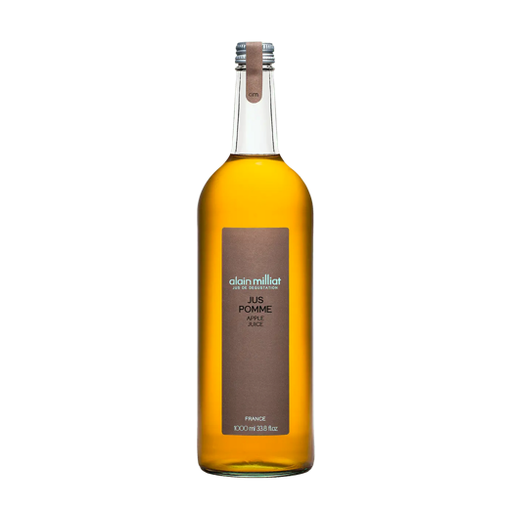 Image unavailable
A 1 L apple juice to consider if this format suits your buffet. Check the “of which sugars” line on the packaging and follow the instructions for after opening.
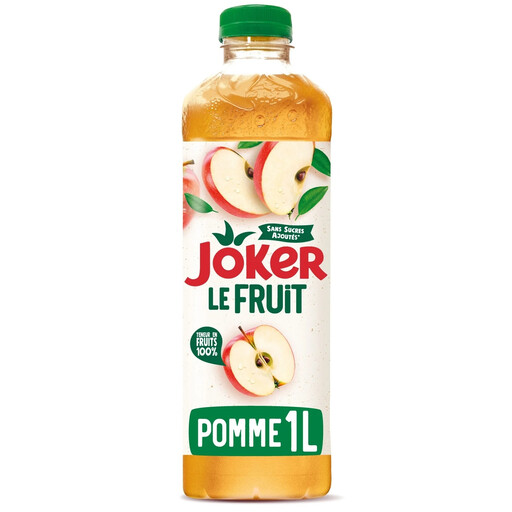 Image unavailable
Consider this option if the “no added sugars” claim matters for your buffet signage. The Joybuy product page describes juice from concentrate and lists 11 g of sugars per 100 ml, so don’t present it as sugar-free. Check the pack for instructions on storage after opening.
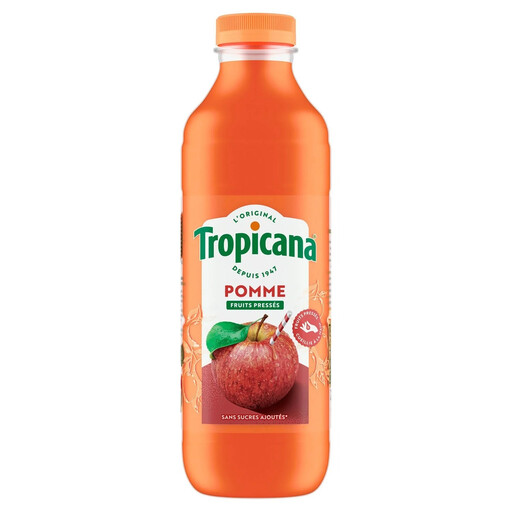 Image unavailable
A 1 L pressed apple juice, if this description suits your breakfast offering. Check the product description, stated origin and storage instructions on the pack you use.
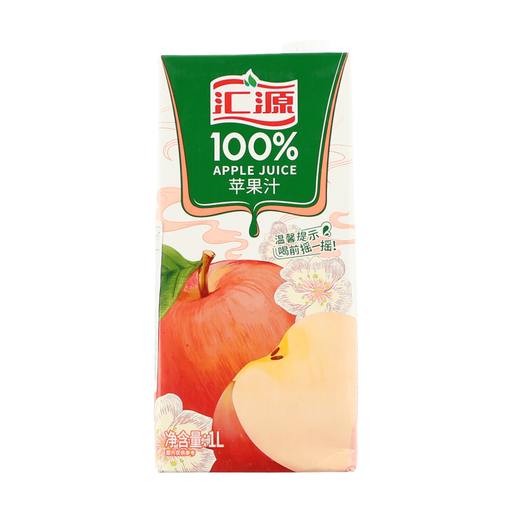 Image unavailable
A 1 L format to consider for your buffet. If the exact ingredients influence your choice, check the product description, ingredients and sugars per 100 ml on the label.
No. Sugars naturally found in apples are still present in the juice. For example, the Joybuy product page for JOKER juice with no added sugars lists 11 g of sugars per 100 ml. Check the figures for the option you serve.
Yes, if you do want to serve nectar, but make sure you label it as such. The DGCCRF distinguishes between fruit drink categories, so check the product description, ingredients and fruit content before changing your advertised offering.
Choose a container that suits the volume served and how it will be handled, then check the instructions for after opening. The 1 L options in the ranges reviewed don’t remove the need to check the packaging offered by your supplier.
Use the product description and claims that genuinely match what you’re serving, such as “apple juice”, “pure juice” or “no added sugars” when that appears on the product. The word “diet” on its own doesn’t tell guests about the recipe or the sugars it contains.