People who monitor their blood glucose every day
The words ‘no added sugars’ aren’t enough to tell you what’s in a glass. The carbohydrate figures on the label and the amount you actually serve both matter when comparing products.


For your everyday shop, don’t choose an apple juice based solely on the words ‘no added sugars’: the fruit’s natural sugars are still there, and ‘pure juice’ doesn’t mean ‘low in sugars’ either. Compare the carbohydrate and sugar figures per 100 ml, then consider how much you plan to serve. The French Federation of Diabetics recommends choosing whole fruit rather than juice, particularly to retain the fibre. If you’re buying a drink to manage a hypo, follow the personalised advice from your healthcare team rather than relying on a claim on the bottle.
The words ‘no added sugars’ aren’t enough to tell you what’s in a glass. The carbohydrate figures on the label and the amount you actually serve both matter when comparing products.
Taste and ingredients can help guide your choice, but compare pure juice and juice made from concentrate by looking at the recipe and nutritional information, not just the product name.
If your treatment, or that of someone close to you, carries this risk, any drink bought for a possible hypo should match the personal advice given by your healthcare team, as France’s national health insurance service recommends.
When comparing apple juices, start with the portion you plan to have and the nutrition table. Then check what the claim on the front of the pack means and look at the ingredients of the exact product.
| Criteria | What to check | Relevant to |
|---|---|---|
| Carbohydrates and serving size | Check the ‘carbohydrate’ and ‘of which sugars’ figures per 100 ml, then work them out for the amount you plan to serve. | If I’m having juice with a meal, I want to know what’s in the glass I’ll actually drink. Around 42% of consumers prioritise working out the portion. |
| On-pack claim | Compare ‘no added sugars’ with the ingredients list and nutrition information: this claim doesn’t remove the sugars that are naturally present. | When I see a bottle labelled ‘no added sugars’, I don’t want to mistake it for a sugar-free drink; around 33% of consumers prioritise understanding this distinction. |
| Recipe and pack size | Check whether it’s pure juice, juice made from concentrate or a nectar, as well as the volume and storage instructions after opening. | If I want a particular recipe without opening more juice than I need, the ingredients and packaging both matter. Around 17% of consumers put this choice first. |
| Use in the event of hypoglycaemia | For this purpose, follow the product and quantity specified in the advice from your healthcare team. | If a treatment puts me at risk of hypoglycaemia, I don’t want to replace personal advice with a ‘diet’ claim on a label; around 8% of consumers prioritise this precaution. |
Carrefour’s product information for Joker juice states that it contains naturally occurring sugars. So the claim on the front of the pack doesn’t tell you how much sugar is in a glass on its own.
Check the ‘carbohydrate’ and ‘of which sugars’ figures per 100 ml, then take the portion you plan to have into account.
The Jafaden pure apple juice sold by E.Leclerc contains apple juice as its only ingredient, but its product information lists 10.2 g of sugars per 100 ml. A short ingredients list and a lower sugar content are two separate things.
Use the product description and ingredients to choose the recipe, then compare the nutrition information separately.
The size of the pack won’t necessarily match the amount you drink at once. Having several glasses changes the total amount you consume compared with the figures given per 100 ml.
Decide how much to serve and check the storage instructions for that specific bottle once opened.
A marketing claim can’t tell you whether a drink is suitable for someone at risk of hypoglycaemia.
For this purpose, stick to the personalised instructions from your healthcare team, in line with the advice from France’s national health insurance service.
These details relate to the specific products mentioned, not every juice from each brand. Check the label on the bottle you choose, particularly if the pack size or recipe is different.
The 1 L Joker Le Fruit apple juice sold by Carrefour is made from apple and lemon juice concentrates and labelled ‘no added sugars’.
Carrefour describes its 1 L Carrefour Classic' apple juice as juice made from concentrate, with no added sugars.
The 1 L Auchan apple juice, labelled as having no added sugars, is made from concentrate.
The 1 L Jafaden pure apple juice sold by E.Leclerc contains apple juice as its ingredient.
The Pampryl apple juice described by the retailer Le Fourgon is made from concentrate.
These products let you compare apple juices for planned consumption. If you’re specifically looking for juice rather than nectar, pay close attention to the exact product description for Alain Milliat.
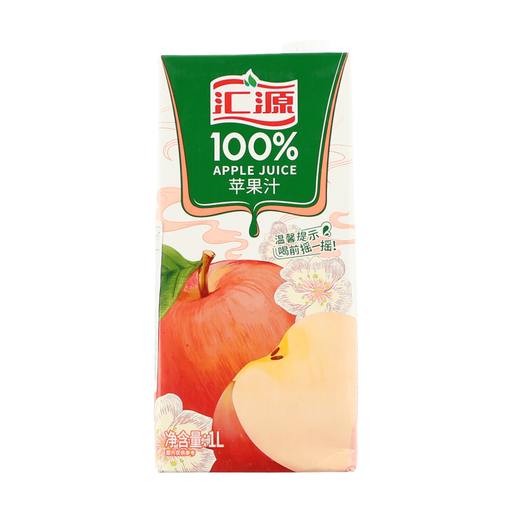 Image unavailable
If you’re having juice occasionally, check the carbohydrates and sugars for the amount in your glass. The bottle holds 1 L; you’ll need to decide how much to serve.
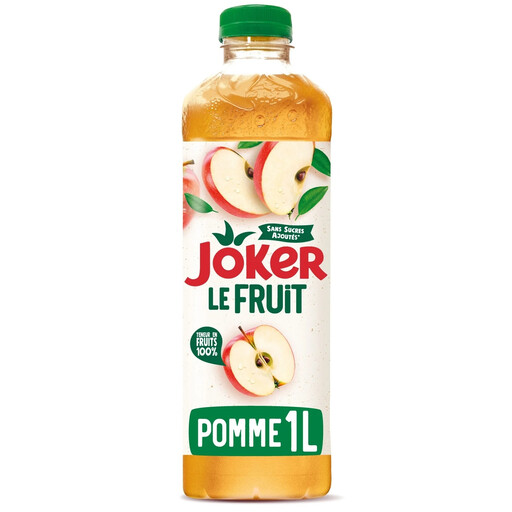 Image unavailable
If the ‘unsweetened’ claim is what appeals to you, also check the bottle’s ingredients, carbohydrates and sugars. Its 1 L size doesn’t determine how much you’ll drink.
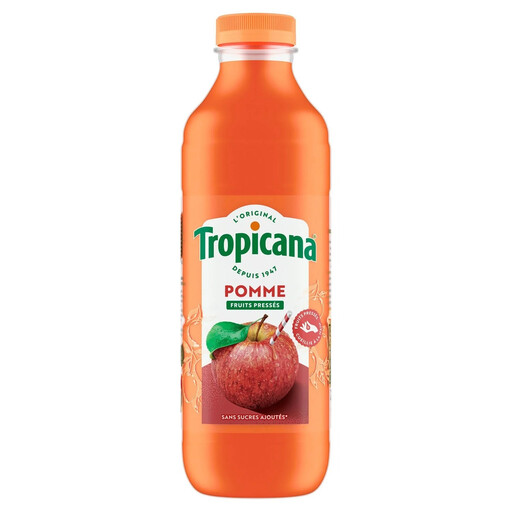 Image unavailable
If you prefer this style of apple juice, compare its recipe and nutrition information with those of other bottles. The pack holds 1 L, so plan how much you’ll serve.
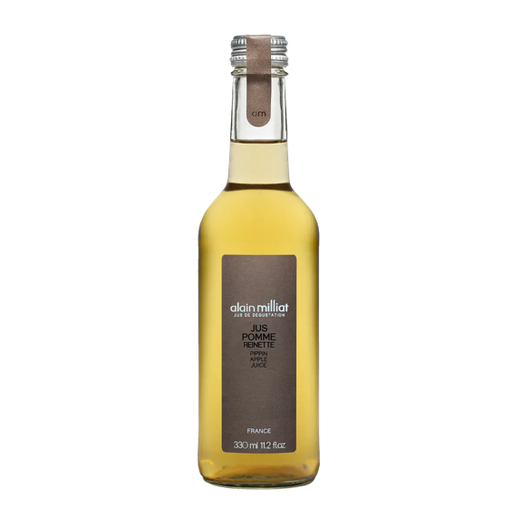 Image unavailable
The 33 cl size may suit you if you’d like a smaller pack. Before buying, check the label to see whether it’s juice or nectar, then compare the carbohydrates and sugars for the amount you plan to have.
No: sugars naturally present in apples may still be in the juice. Carrefour confirms this for Joker juice; check the ‘carbohydrate’ and ‘of which sugars’ figures for the product you’re buying.
These descriptions tell you what type of product it is, but they don’t tell you how much sugar is in your glass. Check the ingredients and figures per 100 ml: for example, E.Leclerc lists 10.2 g of sugars per 100 ml for Jafaden pure juice.
If you’re looking for fibre, juice isn’t equivalent to whole fruit. The French Federation of Diabetics recommends avoiding fruit juice in favour of whole fruit, particularly because fibre is lost when juice is made.
Don’t choose a drink for this purpose based solely on the words ‘diet’ or ‘no added sugars’. France’s national health insurance service advises following the instructions given by your doctor; check with your healthcare team which product and quantity are included in your personal plan.
Follow the instructions on the specific bottle. Auchan’s product information for Auchan apple juice and Tropicana apple juice says to keep them in the fridge and consume within five days of opening; don’t assume this applies to other products.