Organisers keeping an eye on added sugars
You want to serve a juice labelled “no added sugars” without presenting it as a sugar-free drink. The nutrition declaration lets you compare the sugars listed for each product.


For a christening buffet, choose apple juice if you’re looking for a recipe made primarily from juice; nectar with no added sugars may also contain water. “No added sugars” does not mean “sugar-free”: compare the “of which sugars” figures on the labels, provide water and choose pack sizes to suit the number of guests and how you plan to serve the drinks.
You want to serve a juice labelled “no added sugars” without presenting it as a sugar-free drink. The nutrition declaration lets you compare the sugars listed for each product.
You’d rather check the product name and ingredients list to tell apple juice apart from nectar, which also contains water.
You’re choosing between larger containers and smaller packs based on the number of guests, whether you’ll serve drinks by the glass and how much fridge space you’ll have after opening.
Start by distinguishing juice from nectar, then compare the stated sugar content and pack sizes. The DGCCRF, for example, distinguishes juice made from concentrate, which is produced by reconstituting concentrate; the Carrefour apple nectars mentioned here also contain water.
| Criteria | What to check | Who is it for? |
|---|---|---|
| Added sugars | The “no added sugars” claim and the “of which sugars” figure per 100 ml. | I want to avoid added sugars without assuming the juice contains no sugars at all. This distinction is the top priority for around 42% of consumers. |
| Pack size and serving | Pack size and storage instructions after opening. | For serving guests by the glass, I’m looking for a suitable pack size without leaving too many bottles open. Serving comes first for around 33% of consumers. |
| Recipe | Product name and ingredients list, including whether it contains water. | If I prefer a recipe made primarily from apple juice, I distinguish between pressed juice, juice from concentrate and nectar. Composition comes first for around 25% of consumers. |
Juice can contain naturally occurring sugars even when no sugar has been added.
Compare the “of which sugars” figure in the nutrition information per 100 ml, and take the serving size into account.
These product names don’t describe the same recipe: Carrefour’s no-added-sugar apple nectars mentioned here contain water.
Check the product name, ingredients list and stated fruit content on each pack.
An opened large bottle needs to be stored according to the instructions for that product. Auchan’s product information for Tropicana 100% Sweet Apple says to store it at a maximum of 7 °C and consume it within five days of opening.
Think about how much you’ll serve and check the storage instructions on the bottles you buy.
The guidance published by Anses in 2017 relates to habitual consumption of sugary drinks, a category that includes fruit juice. It doesn’t mean you can’t serve juice at a christening.
Offer water too, and don’t present apple juice as a drink to consume without limit.
Carrefour offers, among other products, apple nectars with no added sugars, as well as apple juice.
Auchan lists Le Fruit as a 1 L apple juice with no added sugars; Carrefour also lists a Joker organic apple nectar.
Auchan’s 1 L product is described as apple juice from concentrate with no added sugars.
Auchan lists a 1 L Tropicana 100% Sweet Apple juice with no added sugars.
Auchan lists a 1.15 L Andros juice made from pressed apples, with no added sugars.
These 1 L apple juices are suitable for serving by the glass. If you’re choosing between pressed juice and juice from concentrate, compare the product name, ingredients and nutrition information for the product you’re considering.
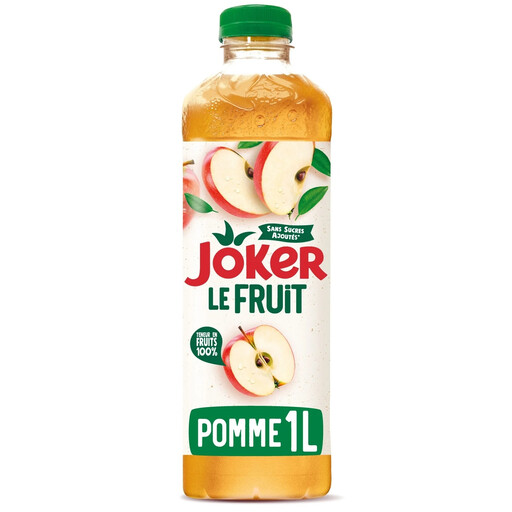 Image unavailable
The 1 L pack is suitable for serving by the glass. If you’re looking for juice from concentrate, check for this description in the ingredients list. Also compare the “of which sugars” figure on the pack.
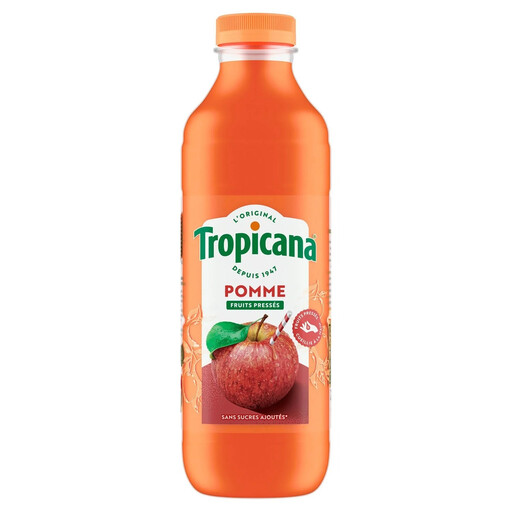 Image unavailable
This 1 L pressed apple juice is suitable for serving by the glass. Check the sugars listed on the pack and the storage instructions for after opening.
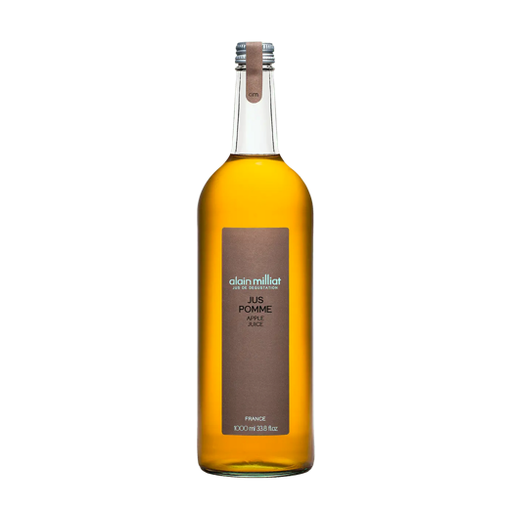 Image unavailable
This 1 L pack can be served by the glass. If ingredients are your top priority, read the bottle’s ingredients list and nutrition information before comparing it with other juices.
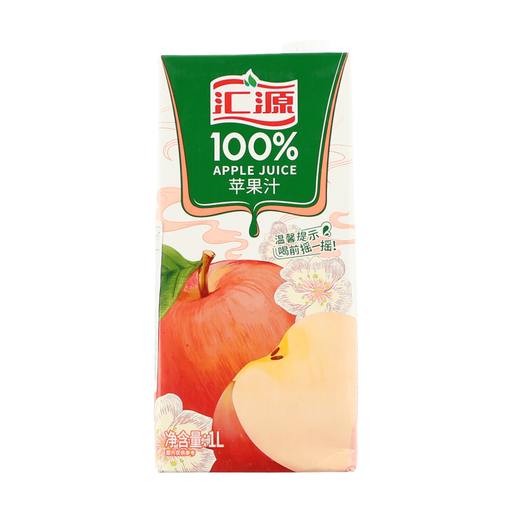 Image unavailable
The 1 L pack is suitable for serving by the glass. If you’re looking for juice from concentrate, check the product name and ingredients list on the pack. Also read the storage instructions for after opening.
No. Juice with no added sugars can still contain naturally occurring sugars. To find out how much, read the “of which sugars” figure in the nutrition information for the product you buy.
Choose juice if you want a recipe made primarily from apple juice. Nectar may also suit your needs, depending on its ingredients and pack size. The Carrefour nectars mentioned here contain water, and their fruit content varies by product. Compare the labels rather than relying solely on “no added sugars” claims.
Yes, make sure water is easy to reach too. In its dietary guidance for the French population, published in 2017, Anses includes fruit juice among the sugary drinks to limit as part of your regular diet. This guidance doesn’t mean you can’t serve juice at an event.
Follow the instructions on each bottle, as storage times and temperatures may vary by product. For example, Auchan’s product information for Tropicana 100% Sweet Apple says to store it at a maximum of 7 °C and consume it within five days of opening.