People keeping an eye on sugar
You want to know how much sugar the juice contains, including sugars naturally present in apples. The ‘of which sugars’ figure per 100 ml tells you more than the ‘no added sugar’ claim alone.


For a weekend breakfast, first choose between apple juice and apple nectar based on the ingredients you’re looking for, then compare the ‘of which sugars’ figure per 100 ml. ‘No added sugar’ doesn’t mean the drink is sugar-free. The bottle size and storage instructions after opening also matter if you’ll only be serving it once over the weekend.
You want to know how much sugar the juice contains, including sugars naturally present in apples. The ‘of which sugars’ figure per 100 ml tells you more than the ‘no added sugar’ claim alone.
Choose a bottle size based on how many glasses you plan to serve and how long the juice will keep after opening.
You want to tell the difference between apple juice, juice made from concentrate and nectar by checking the product name and ingredients, rather than relying on the front of the bottle.
When shopping for a weekend breakfast, identify the type of drink, check its nutritional information per 100 ml, then choose a bottle size that suits how you’ll use it after opening.
| What to compare | What to check | Who it matters to |
|---|---|---|
| Sugars listed | The ‘of which sugars’ figure per 100 ml, alongside the ingredients list. | If I’m looking for a drink with no added sugar, I also want to know how much sugar it actually contains. Around 40% of consumers prioritise checking this. |
| Type of drink | The product name, ingredients and, for nectar, the fruit content. | I prefer to know whether I’m buying juice, juice made from concentrate or nectar containing water. This is the main deciding factor for around 30% of consumers. |
| Size and storage | The bottle size and its specific refrigeration and after-opening instructions. | For a shared breakfast, I want an amount we can use within the timeframe stated on the packaging. Around 30% of consumers prioritise this. |
Apple juice can contain sugars naturally present in fruit, even when no sugar has been added. So the claim on the front of the bottle alone doesn’t let you compare sugar levels.
Check the ‘of which sugars’ figure per 100 ml on each bottle and take into account how much you’ll serve.
Nectar can contain water, and its fruit content depends on the recipe. Carrefour Classic Apple Nectar, for example, contains 75% apple juice made from concentrate and water.
Check the product name, ingredients and fruit percentage before comparing two bottles.
After-opening instructions vary by product. Auchan’s product pages for Auchan apple juice and Tropicana juice recommend keeping them refrigerated and consuming them within five days.
Work out how many glasses you’ll need and check the timeframe printed on the bottle you choose.
A bottle that can’t be finished within the stated timeframe could go to waste.
A Carrefour Bio product page combines a ‘no added sugar’ claim with a line stating that sugar has been added. This contradiction means the page doesn’t give you enough information to judge this buying criterion.
If this feature is important to you, check the product name, ingredients and nutritional information on the packaging, or ask the retailer or manufacturer to clarify.
Compare specific products: a feature listed for one bottle won’t necessarily apply to the brand’s entire range.
Carrefour lets you compare Classic apple juice made from concentrate with Classic apple nectar: two different types of drink.
The Auchan product covered here is a 1 L bottle of apple juice made from concentrate.
Le Fruit is a Joker apple juice made from concentrate that is sold as having no added sugar.
Information published by Jus de Fruits Caraïbes distinguishes between Pampryl apple juice made from concentrate and apple nectar.
E.Leclerc offers several ways to shop, including Drive, pedestrian collection and home delivery.
At Lidl, choose an apple juice by checking the label on the product stocked at your local store.
These 1 L bottles of apple juice are a good fit if you’re looking for a size to share at breakfast. To compare them, check the product name, sugar content per 100 ml and after-opening instructions on each bottle. This selection doesn’t include nectars.
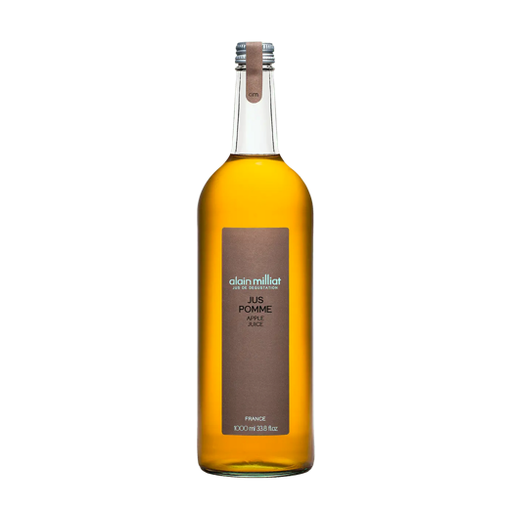 Image unavailable
A 1 L bottle to consider if you’re planning to serve several glasses at breakfast. If the production method matters to you, check the product name on the bottle. Also look at the ‘of which sugars’ figure and the after-opening instructions.
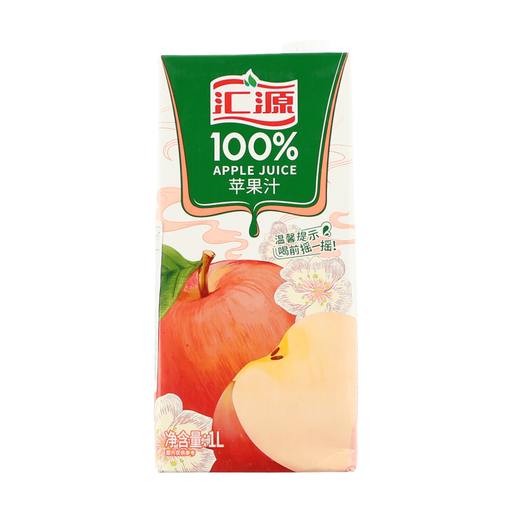 Image unavailable
This 1 L bottle could suit a shared breakfast if the amount you serve meets your needs. To choose based on the ingredients, compare the product name, ingredients and sugar content per 100 ml on the packaging.
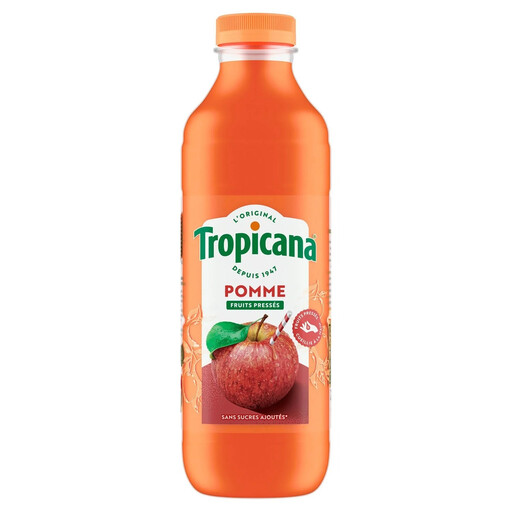 Image unavailable
If you’re sharing it at breakfast, check that you can use the 1 L bottle in line with its storage instructions. The ‘Pure Pressed’ name alone doesn’t tell you whether the juice is made from concentrate. If that matters to you, check the product name on the packaging.
No. It can contain sugars naturally present in apples. To compare two juices, check the ‘of which sugars’ figure per 100 ml and the ingredients list. No added sugar doesn’t necessarily mean low in sugar.
No. Manger Bouger says that fruit juice doesn’t count as a portion of fruit. If you’d like to serve fruit at breakfast, offer it separately from the juice.
Manger Bouger recommends that children aged 4 to 17 have no more than half a glass before the age of 11, and then no more than one glass a day. So, for a family breakfast, don’t assume that the same amount is suitable for children and adults.
Follow the storage time and temperature instructions on the bottle you’ve bought. Auchan’s product pages for its apple juice and a Tropicana juice recommend keeping them refrigerated and consuming them within five days of opening. This timeframe doesn’t automatically apply to other products.