
Livraison le jour même ou le lendemain

Qualité garantie

Débloquez vos offres de bienvenue: Livraison GRATUITE | Jusqu'à -80 % | 30 jours d'essai gratuits à JoyPlus
Téléchargez l'application
The world of apple beverages is vast, ranging from artisanal pure juice to exotic sparkling sodas. Faced with a shelf overflowing with options, it's easy to feel lost. Between ambiguous labels and slick marketing, making the wrong purchase is all too common. At Joybuy, our mission is to bring you clarity. This guide provides all the keys you need to decode labels and find the apple drink that's truly right for you.
Before you fill your basket, here are the most common points of confusion that can lead you astray.
To make an informed choice, focus on a few simple but decisive factors.
This is what defines the very nature of your drink. Regulations are quite specific:
Your craving of the moment will dictate the best type of drink.
Take a minute to scan the ingredient list. Look for added sugars hiding under unfamiliar names (like glucose-fructose syrup, sucrose...). If you're aiming for a sugar-free apple drink, check for the presence of sweeteners. Finally, the term "natural flavourings" is always a better sign than just "flavourings," which often refers to artificial compounds.
To help you visualise these differences, here are a few products that cater to distinct consumer profiles.
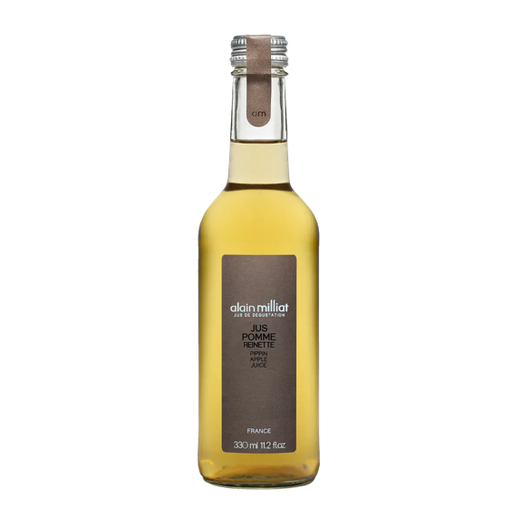
Why we chose it: For purists who want to experience the exact taste of the fruit. This single-variety juice showcases the Reinette apple, renowned for its perfect balance of sweetness and acidity. A true gourmet product.
This is a 100% pure juice, without a hint of ambiguity. The ingredient list is beautifully simple: "Reinette Apple Juice (100%)". There's no room for error—you are drinking nothing but pressed fruit.
A precise and refined aromatic profile, the signature of a single-variety juice. Zero added sugar, just the raw, natural taste of the fruit.
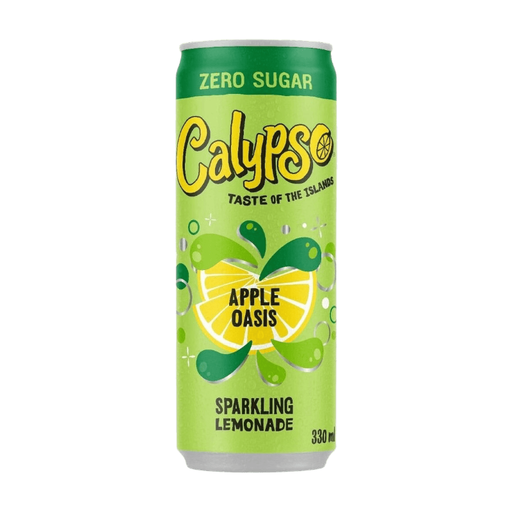
Why we chose it: For anyone looking for a bubbly refreshing apple drink, but without the sugar or calories. It's the perfect option for guilt-free indulgence.
This product is completely transparent. It doesn't pretend to be a juice, but clearly presents itself as a "zero sugar" apple lemonade. It sidesteps the "sugar-free" pitfall by using sweeteners for a near-zero calorie count.
Zero sugar and only 2 kcal per 100 ml. The pleasure of a sparkling apple drink without the impact on the scale.
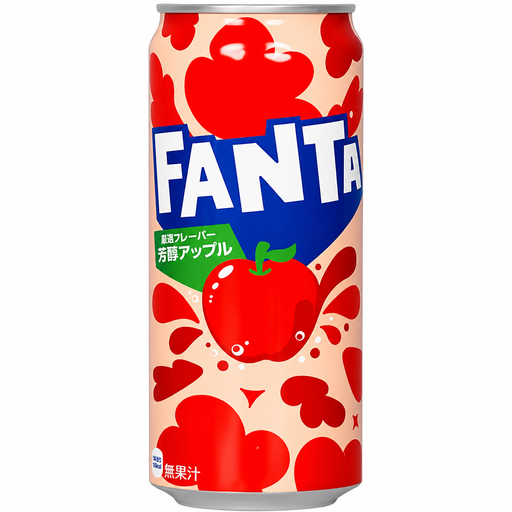
Why we chose it: For taste adventurers who love to go off the beaten path. This Japanese version of Fanta offers a very different take on apple soda, with a profile that is often richer and less acidic than what we're used to in Europe.
Its positioning is crystal clear: it's an imported soda. It doesn't try to pass as a fruit juice or a health drink, but instead bets everything on its unique flavour and origin.
An apple flavour unlike anything you've tasted before and a unique drinking experience. All in a generous 500 ml can.
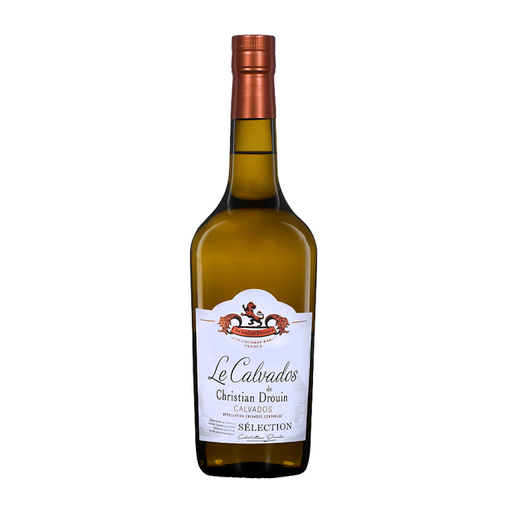
Why we chose it: For those who appreciate the apple in its most noble and complex form. This cider brandy is an essential, perfect as a digestif, for a traditional "trou normand" palate cleanser, or as the base for a sophisticated cocktail.
This product plays in a different league entirely. It's not a refreshing drink, but a spirit. Its value isn't measured by juice content, but by the mastery of its distillation and ageing process.
Exceptional aromatic complexity, with notes of baked apple, spice, and almond. An emblematic product of the Normandy region, from a renowned, benchmark-setting producer.
Explore our complete selection of apple drinks, all chosen for their quality and transparency.
A pure apple juice is 100% pressed fruit, with no added water or sugar. A nectar, on the other hand, is a mix of juice (between 25% and 50%), water, and sugar. Pure juice offers an intense, authentic taste, whereas nectar is generally sweeter and more diluted.
Whether it's a juice or a soda, the rule is the same: put it in the refrigerator. A pure juice is best consumed within 3 to 5 days to maintain its freshness. For a sparkling drink, the most important thing is to reseal the bottle tightly to preserve the fizz.
It all depends on the label. A "zero sugar" or "sugar-free" drink uses sweeteners and contains virtually no sugar or calories. In contrast, a "no added sugar" drink (like a pure juice) still contains the natural sugars from the fruit. Therefore, it isn't "sugar-free" in the strictest sense. The best practice: take a look at the nutritional information panel, specifically the "of which sugars" line.