
Livraison le jour même ou le lendemain

Qualité garantie

Débloquez vos offres de bienvenue: Livraison GRATUITE | Jusqu'à -80 % | 30 jours d'essai gratuits à JoyPlus
Téléchargez l'application
The apéritif is a true art form. It seems like a simple pleasure, but choosing the right products can quickly become a headache. Faced with overloaded shelves, how can you tell the difference between an artisanal gem and a soulless industrial preparation? Our mission is to do the groundwork for you. We've scoured the market to find apéritif spreads that celebrate authentic, no-fuss flavour.
Follow our guide to learn how to spot the best products and discover our selection of specialities that everyone will love.
Before we get to the tasting, here are a few tips to ensure you never go wrong in the gourmet food aisle and always choose products that deliver on their promises.
The first golden rule for a quality terrine or p?té? Scrutinise the label. A short ingredient list is almost always a sign of authenticity. The key element is the meat percentage. A good product should be composed mainly of meat. Also, look for the origin of the meats and the presence of high-quality ingredients (duck fat, wines, distinctive spices) instead of additives, artificial flavourings, and other taste enhancers. Recipes inspired by products from Southwest France, for example, rely on simple ingredients and time-tested expertise.
P?té, rillettes, terrine… no, they are not the same thing! Each term refers to a very specific preparation:
Some producers are true guardians of tradition, committed to classic recipes and the quality of their raw materials. Companies like Lucien Georgelin, deeply rooted in Southwest France, carry on a precious culinary heritage. Turning to these artisans is often the best guarantee of quality and authenticity.
Enough theory, let's get to the tasting! To build your next apéritif platter, here are three products that wonderfully embody the richness of our local terroirs.
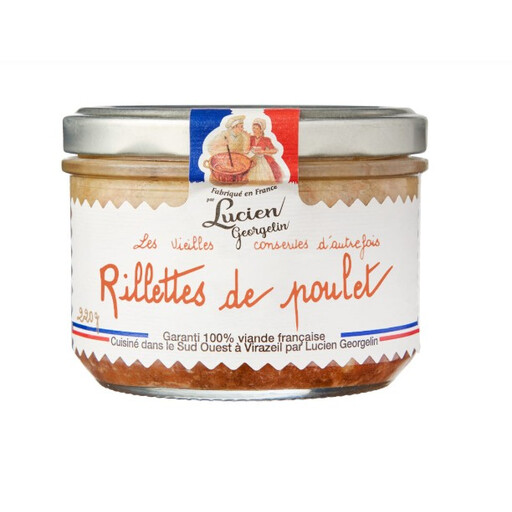
Why We Love It These chicken rillettes get straight to the point with a simple recipe and an unbeatable concentration of meat. With 70% chicken meat, the flavour is clean and direct, the texture is perfectly tender, and everything is enveloped in the richness of duck fat. The slow cooking process with its aromatic base (onions, carrots, garlic) gives it that delightful "homemade" taste we adore.
Key Strengths
Who Is It For? For those looking for a reliable choice, a timeless classic of French cuisine. It's the perfect product for a hassle-free apéritif, simply spread on a beautiful slice of toasted country bread.
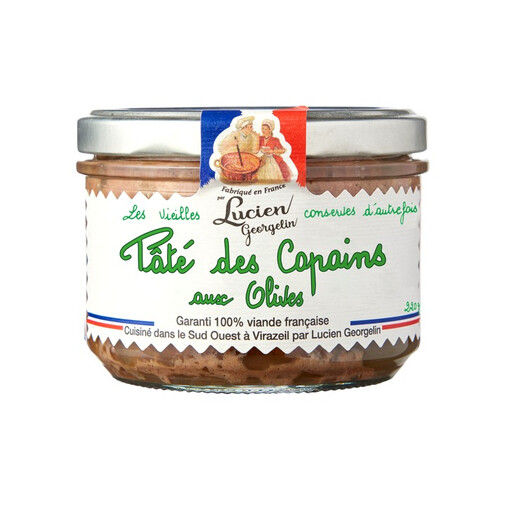
Why We Love It A rustic p?té with real character! It combines the richness of pork belly (from France) and poultry liver with the freshness of green olives (8%). A splash of Madeira wine brightens everything up and adds depth. A convivial and original recipe to surprise your friends.
Key Strengths
Who Is It For? For lovers of Mediterranean flavours who want an apéritif spread that is out of the ordinary. It's perfect with a few crunchy cornichons and a glass of dry white wine.
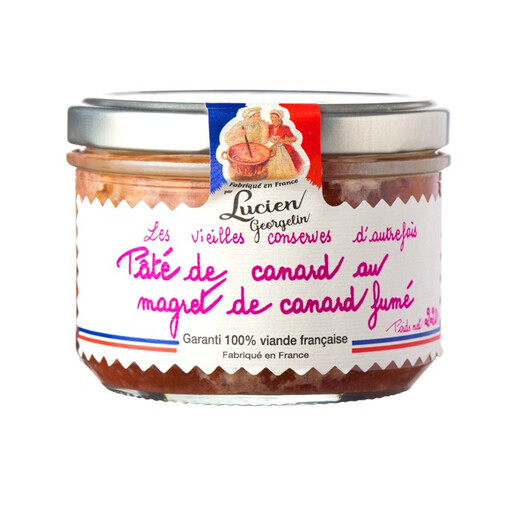
Why We Love It We're moving upmarket with this more refined duck p?té, which includes 30% duck meat and 5% smoked duck breast. The smoky note, present yet delicate, gives it incredible elegance. This is a speciality that evokes the spirit of festive gatherings in Southwest France.
Key Strengths
Who Is It For? For gourmets who want to bring a touch of originality and refinement to their apéritif. Dare to try a sweet-and-savoury pairing by serving it on slices of spice bread or walnut bread: it's divine.
The world of the artisanal apéritif is an endless playground for food lovers. If our selection has made your mouth water, feel free to explore the rest of our range to unearth other gems.
? Discover Our Full Selection of Artisanal Preserves
Historically, the difference came from the cooking dish. A terrine is cooked in the eponymous earthenware dish, which is most often rectangular. A p?té, on the other hand, can be cooked in other moulds, or even in a pastry crust (p?té en cro?te). While the distinction is blurrier today, a terrine generally has a coarser texture with visible chunks, whereas a p?té is more finely minced.
Once the jar is opened, it must go in the refrigerator, no exceptions! To preserve the flavours and prevent the product from oxidising, cover the surface directly with plastic wrap. It's best to consume it within 2 to 3 days.
For an artisanal apéritif done right, bread is king: country bread, traditional baguette, walnut or fig bread… mix it up! Don't forget the essential cornichons and pickled onions for crunch, and perhaps an onion or fig confit for a sweet-and-savoury touch that will balance the richness of the spreads.