
Livraison le jour même ou le lendemain

Qualité garantie

Débloquez vos offres de bienvenue: Livraison GRATUITE | Jusqu'à -80 % | 30 jours d'essai gratuits à JoyPlus
Téléchargez l'application
The aperitif is more than just a drink; it's a ritual, a shared moment to unwind from the day and kick off the evening. But faced with ever-expanding shelves of spirits and liqueurs, choosing the right bottle can often feel like a puzzle. Between alluring labels and fleeting trends, it's easy to end up with a disappointing purchase, destined to gather dust at the back of your bar.
Our mission? To help you navigate this jungle of bottles. Let's cut through the marketing jargon and get straight to the point. Here are the pitfalls to avoid and the essential criteria for making the right choice, every time, for your next aperitif.
To avoid falling into these traps, you just need a few key pointers. They'll help you decipher any label and figure out if the bottle is right for you.
This is THE number one criterion. Before you even look at the price or brand, ask yourself what type of flavour you're looking for.
The ABV, or alcohol percentage, isn't just an indicator of strength. It directly influences how you'll consume the drink.
Before buying, ask yourself: "How will I drink this?". A bottle that's only good for one recipe is likely to end up forgotten. A good cocktail liqueur should fit into several recipes, be enjoyable simply topped with tonic, or even be sipped neat. Versatility is the key to a worthwhile purchase.
To illustrate these principles, here are a few options that cater to various needs and tastes.
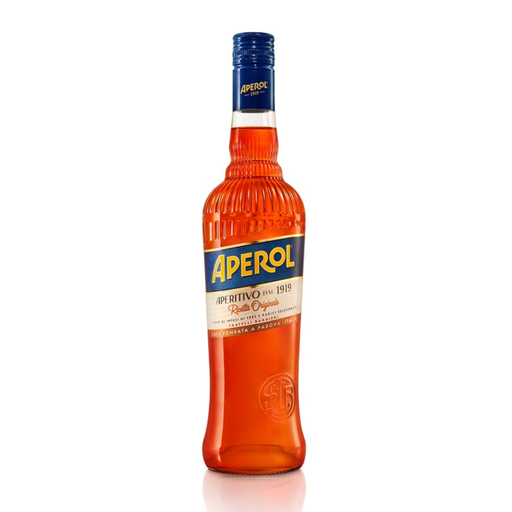
Why we chose it: It's the sure bet for recreating the atmosphere of an Italian terrace at home. The Aperol Spritz is a simple, crowd-pleasing cocktail that's easy to prepare for guests, even at a moment's notice.
It directly addresses the 'unwelcome bitterness' trap. When you buy it, you know you're getting an Italian bitter with a characteristic bittersweet profile, perfect for its signature cocktail: the Spritz.
Its iconic recipe has been unchanged since 1919. Just follow the proportions (3 parts Prosecco, 2 parts Aperol, 1 splash of soda water) for a foolproof cocktail.
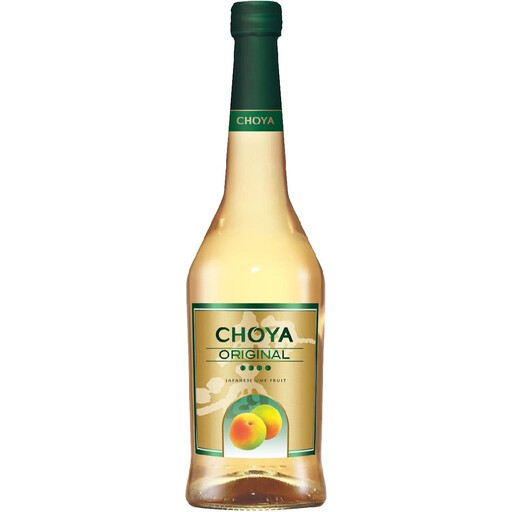
Why we chose it: For those who like to venture off the beaten path, this Japanese plum wine (umeshu) is a fresh and surprising alternative. Its unique flavour profile, both sweet and tart, is a true discovery.
It bypasses the trap of the 'trendy but impractical' liqueur. Choya is very versatile: it can be enjoyed chilled, on the rocks, topped with soda for a refreshing 'Choya Soda', or used as an ingredient in more complex cocktails.
Its low ABV (10%) makes it very approachable, even for less experienced palates. It's a smooth and flavourful introduction to a new category of drinks.
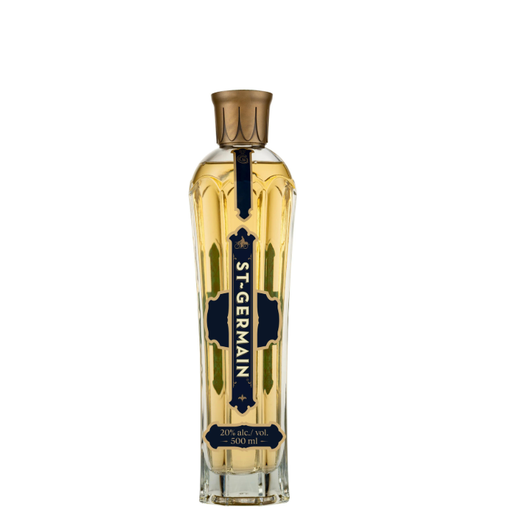
Why we chose it: This is the secret touch that elevates a home bar. Its delicate, floral notes of elderflower transform a simple glass of sparkling wine into a sophisticated cocktail (the St-Germain Spritz) and pair beautifully with gin or vodka.
It avoids the 'too sweet' trap. Although floral, St-Germain liqueur is perfectly balanced, allowing it to enhance other flavours without ever overpowering them. Its quality craftsmanship is noticeable.
Its versatility is its greatest asset. A small splash is all it takes to transform many classic cocktails. It's the ingredient that encourages creativity, letting you craft cocktail-bar-worthy drinks at home.
Discover our full selection of products that tick all the boxes, tested and approved by our experts.
It's all about the sugar content. In Europe, to be labelled a 'crème', a fruit liqueur must contain a much higher amount of sugar than a standard liqueur. For example, a crème de cassis must contain at least 400 grams of sugar per litre, compared to much less for a cassis liqueur. Crèmes are therefore generally denser and sweeter.
Most spirits and liqueurs with a high ABV (over 20%) keep very well at room temperature, away from direct light, even after opening. For wine-based products (vermouth, port) or those with a low alcohol content, it's best to store them in the refrigerator after opening and consume them within a few weeks to preserve their freshness.
Absolutely. The line between the two is often blurry, and it all comes down to taste and context. A port or an amaretto, traditionally served as a digestif, can certainly be enjoyed as an aperitif, for example on the rocks or in a light cocktail. The most important thing is to enjoy yourself and choose a drink that suits the mood of the moment.
Please drink responsibly. Alcohol abuse is dangerous for your health. The consumption of alcoholic beverages during pregnancy, even in small quantities, can have serious consequences for the child's health.