
Livraison le jour même ou le lendemain

Qualité garantie

Débloquez vos offres de bienvenue: Livraison GRATUITE | Jusqu'à -80 % | 30 jours d'essai gratuits à JoyPlus
Téléchargez l'application
Are you looking for antioxidant supplements to support your wellness routine, your sporting activity, or your goals for skin, hair and vitality? In the UK, the range stretches from resveratrol capsules to vitamin-enriched drinks, plus organic spirulina and liposomal formulas.
This abundance of products can make choosing difficult. A high dosage doesn't necessarily mean a formula is right for you, and a term like "natural" doesn't mean you can skip carefully reading the label.
Some packaging highlights the weight of an extract or its equivalent, without clearly stating the amount of the active ingredient studied. For quercetin, resveratrol or astaxanthin, look at the amount stated per daily dose, rather than just the total weight of the bottle.
Let's take an example: a Montmorency cherry extract might show an equivalent of 6,000 mg per serving. This value corresponds to the stated equivalence of the extract, and not necessarily to 6,000 mg of whole fruit.
An antioxidant supplement is not a substitute for a varied diet, adequate sleep, or medical supervision. Terms like "detox", "enhanced immunity" or "anti-ageing" are primarily marketing language, unless the claim is authorised and linked to a nutrient under the conditions set out by European regulations.
Vitamin C, for example, contributes to the protection of cells from oxidative stress as part of an authorised nutrition claim. This does not mean it promises a treatment or a medical effect.
A vegan, gluten-free or lactose-free product may meet specific dietary needs or preferences. However, this alone is not enough to judge its suitability. Pregnant or breastfeeding women, those on medication or with a medical condition, as well as anyone due to have a blood test, should seek advice from a healthcare professional.
Biotin, in particular, can interfere with certain laboratory test results. Tell your doctor or the lab if you are taking it before a blood test.
Always compare:
A bottle of 180 capsules taken as one a day has a different cost per use than a product of 60 capsules requiring two daily servings.
The chosen form affects convenience and, in some cases, how you take it. Liposomal formulas generally combine the active ingredient with phospholipids. Softgels, tablets and liquids can therefore suit different habits.
For compounds like resveratrol, quercetin, glutathione or alpha-lipoic acid, choose a detailed composition that states the amount of each substance. For astaxanthin, the source may be Haematococcus pluvialis, a microalgae used in plant-based formulas.
If you are looking for a vegan supplement, check the material used for the capsule shell: hypromellose and vegetable cellulose are common. Also check for gluten-free, lactose-free, GMO-free or allergen-free claims, and make sure they match the product listing.
Finally, stick to the recommended dose and storage instructions. Some liquid formulas need to be kept in the fridge after opening, while capsules are generally stored away from moisture and light.
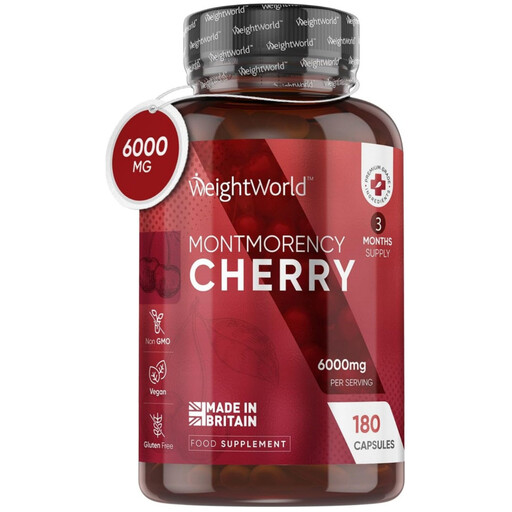
Why this choice suits this profile: This formula based on Montmorency cherry extract comes in 180 vegan and gluten-free capsules. A simple option to add to a daily routine.
The listing shows the equivalent amount per serving as well as the total number of capsules, making it easy to estimate how long it will last.
Montmorency cherry extract, 180 capsules, formulation with no artificial flavours and suitable for vegan consumers.
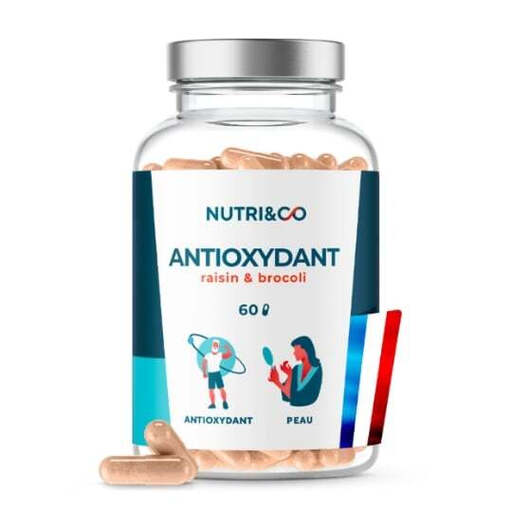
Why this choice suits this profile: This French formula brings together grape seed extract, broccoli extract, coenzyme Q10 and vitamin C in vegetable capsules.
The composition details, for two capsules, the amounts of OPC, stabilised sulforaphane, coenzyme Q10 and vitamin C.
Vegan capsules, no titanium dioxide, with 360 mg of grape seed extract and 20 mg of coenzyme Q10 per daily dose.
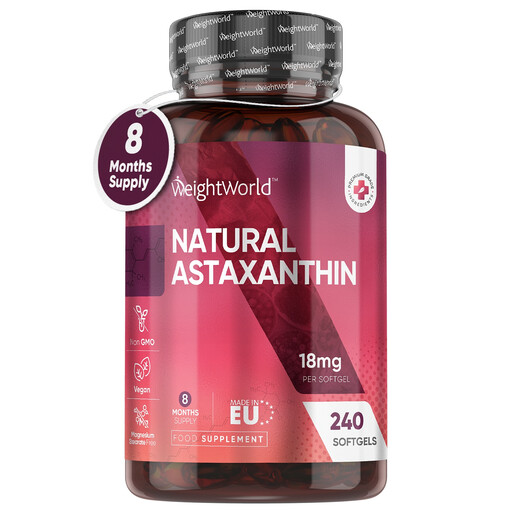
Why this choice suits this profile: With one softgel a day and a pack of 240 units, this product can suit a routine followed over several months.
The source of astaxanthin is clearly stated: an oleoresin from the algae Haematococcus pluvialis, dosed at 18 mg per softgel.
240 softgels, vegetable capsule shell, vegan product, gluten-free and lactose-free, with a clearly stated daily serving.
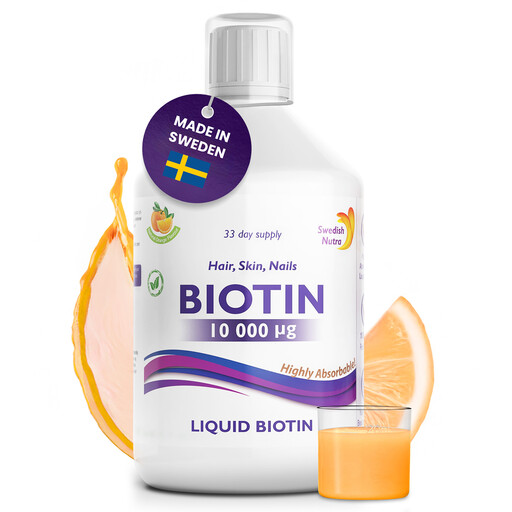
Why this choice suits this profile: This liquid formula combines biotin and vitamin C. It may appeal to those who prefer to avoid tablets and want to add a supplement to their hair, skin and nails routine.
The dose is set at 15 ml and the listing states 10,000 µg of biotin and 80 mg of vitamin C per serving.
500 ml, providing approximately 33 servings, with an orange flavour. The formula is vegan, gluten-free and lactose-free, and must be kept in the fridge after opening.
We have put together a comprehensive selection, updated in real time, of products that meet these strict criteria as well as European safety regulations.
Start by identifying your goal: a simple formula, a beauty routine, a vegan diet or a targeted intake of resveratrol, quercetin or astaxanthin. Then compare the daily dosage, how long the bottle will last, and the usage precautions. A short ingredient list is often easier to follow and evaluate within your routine.
Respect the best before or use-by date on the packaging. After opening, follow the manufacturer's instructions. A liquid formula may need to be kept in the fridge and used within a specific timeframe, unlike a box of capsules stored in a dry, dark place.
Combining several products can lead to overlapping intakes, particularly of vitamins or highly dosed active ingredients. Check the labels before any combination and seek advice from a healthcare professional if you are on medication, taking blood thinners, or have a specific medical condition.