
Livraison le jour même ou le lendemain

Qualité garantie

Débloquez vos offres de bienvenue: Livraison GRATUITE | Jusqu'à -80 % | 30 jours d'essai gratuits à JoyPlus
Téléchargez l'application
Hand sanitiser gel, wound antiseptic, laundry disinfectant or antibacterial clothing: hygiene products don't all serve the same purpose. Yet packaging often uses similar terms, which can lead you to buy the wrong solution or pay more for a function you don't actually need.
To choose the right antibacterial and antiseptic products for your home, start by identifying the area you need to treat, how often you'll use the product, and any precautions listed on the label.
A hand sanitiser, such as a no-rinse disinfectant gel, typically contains alcohol and is designed for use on intact skin. It isn't automatically suitable for a cut, burn or irritated skin.
Conversely, a wound antiseptic or wound-cleaning spray is formulated and presented for cleaning surface-level injuries, in line with the manufacturer's instructions. Always check the intended use before applying.
A claim like "kills 99.9%" needs to be put into context: which microorganisms are targeted, under what conditions does the product work, how long do you need to rub your hands, and which standard is the effectiveness based on? For some gels, the stated action depends on using a sufficient amount and rubbing until completely dry.
These products are not a substitute for washing your hands with soap and water when that's possible. They should also not be applied to the eyes, mucous membranes or broken skin, unless explicitly stated.
10-volume hydrogen peroxide may be sold as an antiseptic solution for certain skin uses. That doesn't mean all hydrogen peroxide-based products are suitable for wounds. The product sheet for the Mercurochrome item featured here indicates external use on hair, particularly for bleaching, not for disinfecting injuries.
The same logic applies to laundry: a disinfectant doesn't automatically turn a garment into antibacterial fabric. It's added to the wash cycle, following the dosage stated on the packaging.
Check whether the product is designed for:
A product intended for hands should not be used on fabrics, while a laundry product must never be applied to the skin.
For hand hygiene gels, look at the presence and concentration of ethanol, as well as the recommended friction time. For example, the Mercurochrome gel product sheet mentions 61% ethanol by weight, while the Sanytol gels featured here show 72% ethanol.
However, these figures alone aren't enough to choose between two products. Also consider the format, texture, drying time, warnings and how well it suits your frequency of use.
A 50 to 75 ml bottle slips easily into a bag or wash bag. A 250 ml format is better suited for regular use at home or in the office. For laundry, a 1.5 litre container saves you from restocking too often, provided you have enough storage space.
Alcohol-based gels are flammable. Antiseptics and disinfectants should be kept out of reach of children, away from heat and direct sunlight. Read the label before use and observe the expiry date as well as the period after opening.
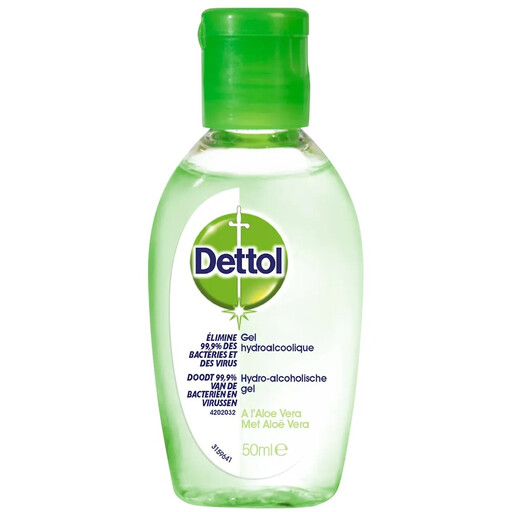
Why this choice suits this profile: Its small bottle is handy when you're out and about, on public transport or in the family bag, when soap and water aren't available.
Its 50 ml format stops you buying a large bottle for occasional use. The product sheet clearly states it's an external-use product for hands, with no rinsing required.
An aloe vera gel, according to the product sheet, in an easy-to-carry format that can be used without rinsing. The recommended amount is approximately 3 ml per application.
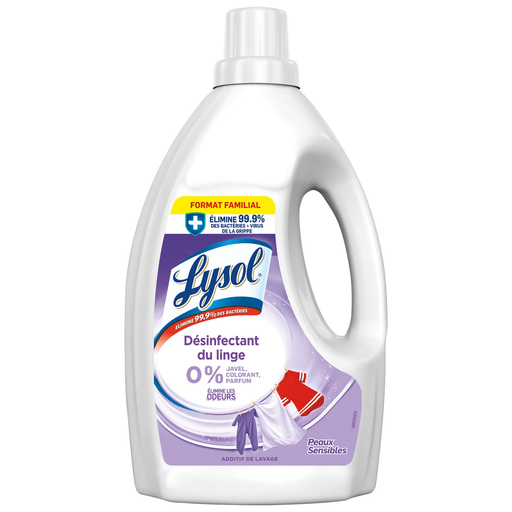
Why this choice suits this profile: This large format is ideal for households that regularly treat household linen, underwear, sportswear or children's items.
The product sheet indicates use from 20 °C against bacteria. The product description also states it's bleach-free, dye-free and has no claimed fragrance.
A 1.5 litre capacity, stated use on white and coloured fabrics, and a bleach-free formula according to the information provided.
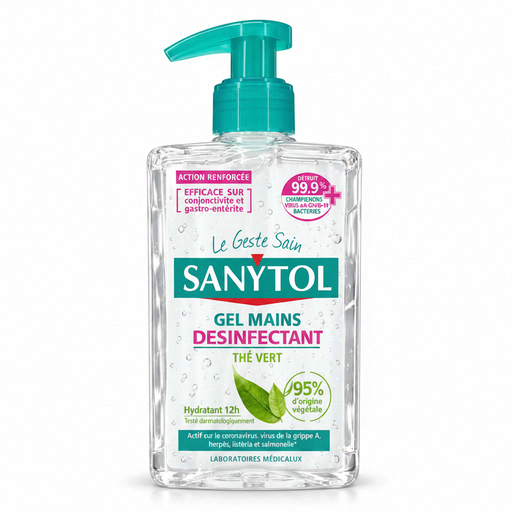
Why this choice suits this profile: With its 250 ml capacity, this bottle is well suited for frequent use at home, at work or during longer trips.
The product sheet recommends applying to dry hands, then rubbing all surfaces until completely dry, without rinsing. The product should not be applied to irritated or damaged skin.
A 250 ml format, a green tea fragrance and an ethanol content of 72% as stated on the product sheet.
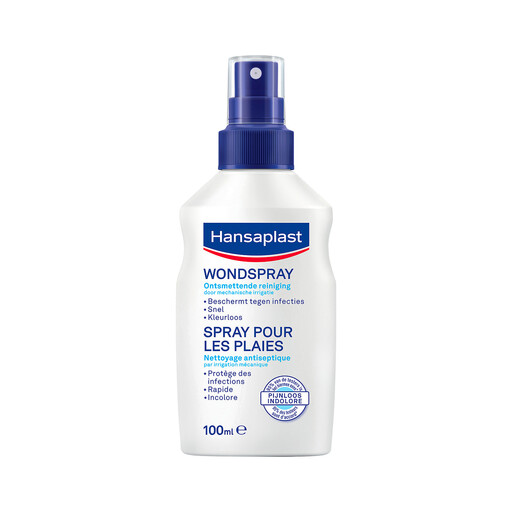
Why this choice suits this profile: This spray can easily be added to a family first-aid kit, a medicine cabinet or a travel bag for dealing with everyday minor injuries.
It is presented as a wound-cleaning product, not a hand gel. The product sheet recommends consulting a doctor for serious wounds, signs of infection or if there's no improvement.
A 100 ml bottle and a solution designed for external wound cleaning. The product sheet also mentions possible use on sensitive skin and for children, provided the stated precautions are followed.
We've put together a comprehensive, real-time updated list of products that meet these strict selection criteria and European safety regulations.
Start by rinsing the area with water, then use a product suitable for wound cleaning. A wound-cleaning spray may be appropriate if its label matches your situation. Consult a healthcare professional for deep wounds, persistent bleeding, increasing pain, swelling or spreading redness.
Refer to the date on the bottle and the recommended storage conditions. An alcohol-based gel should be kept closed, away from flames, heat and sunlight. If its smell, texture or appearance changes, check the manufacturer's instructions before using it.
Not necessarily. For everyday laundry, a standard detergent with a suitable programme is usually sufficient. A laundry disinfectant can be considered for specific uses, such as sportswear or fabrics that need extra care. Always follow the dosage, temperature and compatibility instructions on the packaging.