
Livraison le jour même ou le lendemain

Qualité garantie

Débloquez vos offres de bienvenue: Livraison GRATUITE | Jusqu'à -80 % | 30 jours d'essai gratuits à JoyPlus
Téléchargez l'application
The eye area deserves special attention: the skin is thinner, often drier and regularly exposed to rubbing. An anti-ageing eye cream can help smooth the appearance of fine lines, reduce signs of dehydration and revive tired-looking eyes. However, you need to choose a formula suited to your needs.
Before ordering, three common mistakes are worth avoiding:
For an eye treatment to use every day, the formula should first and foremost match your objective:
Claims such as ‘firming’ or ‘anti-ageing’ indicate the product’s cosmetic positioning. They do not guarantee the same results for everyone.
The eye area can react to fragrances, essential oils or certain alcohols. When choosing an eye cream for sensitive skin, check in particular:
A fragrance-free formula will not necessarily suit every skin type, but this criterion can help limit one potential source of discomfort.
Most targeted treatments are sold in 15 ml formats. Tubes containing 25 or 30 ml may be useful for morning and evening application, provided you do not use too much product: a small amount is generally enough for both eyes, depending on the manufacturer’s recommendations.
A gel or fluid texture sits easily beneath make-up. A richer cream is more suitable for an eye treatment for mature skin or for relieving a feeling of dryness. Metal applicators provide a cooling sensation and may make massage easier, but they do not replace gentle application.
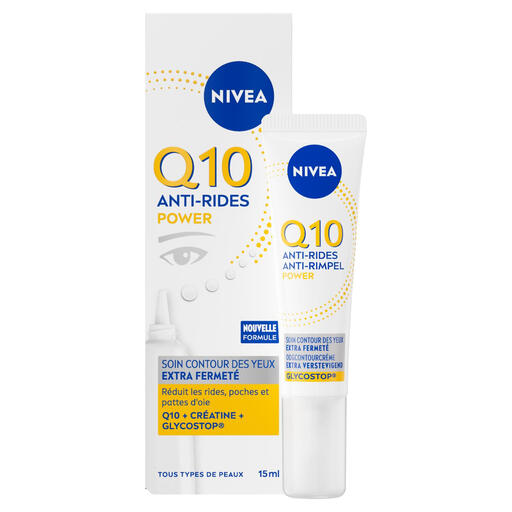
Why this choice suits this profile : Its formula combines glycerine, Q10, creatine, shea butter and sodium hyaluronate in a compact format that is easy to incorporate into a daily routine.
The formula does not rely on a single active ingredient: it also contains hydrating and emollient agents, which should be checked on the label.
Q10, creatine and sodium hyaluronate; a nourishing texture suited to a morning and evening routine.
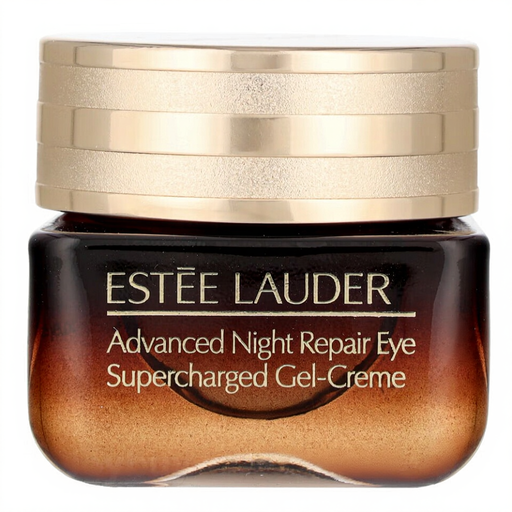
Why this choice suits this profile : This gel cream is designed for those looking for a sophisticated formula combining bifida ferment lysate, tripeptide-32, caffeine and sodium hyaluronate.
The ingredient list lets you check the advertised active ingredients rather than relying solely on the claims associated with the range name.
Formula free from parabens, sulphates and phthalates according to the product information; contains caffeine and hydrating agents.
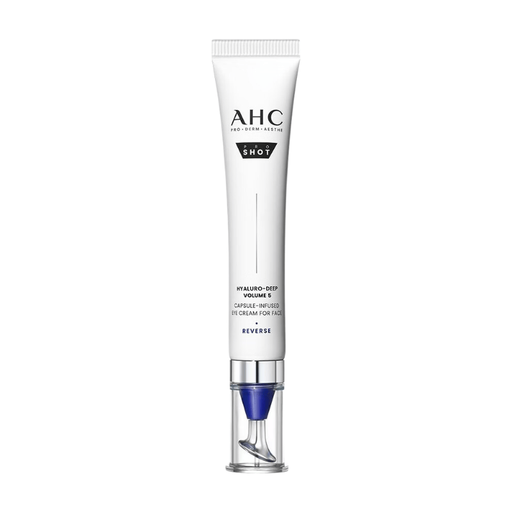
Why this choice suits this profile : Its 30 ml format and metal applicator are ideal for those who want to use the treatment around the eyes as well as on the face and neck.
The volume and use across several areas are clearly stated, so you can compare them with your usual routine before paying for a highly targeted treatment.
Seven types of hyaluronic acid advertised by the brand; contains hydrolysed collagen, ceramide NP and beta-glucan.
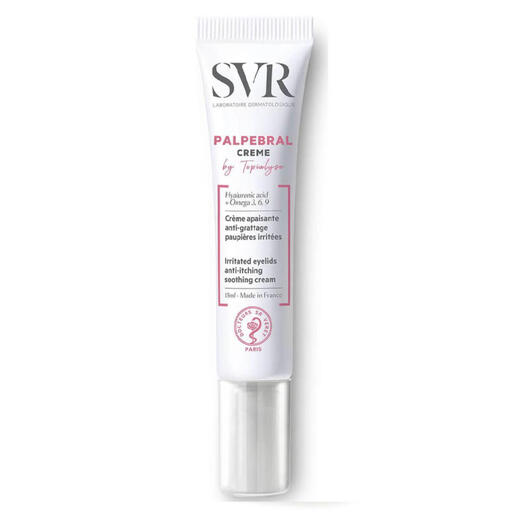
Why this choice suits this profile : Its fragrance-free formula, enriched with hyaluronic acid and omega 3, 6 and 9, prioritises comfort for a sensitised eye area.
It does not prioritise an anti-ageing claim at the expense of tolerance: the absence of fragrance is clearly stated.
Cream texture; formula described as hypoallergenic and tested under dermatological and ophthalmological control.
We have put together a comprehensive, real-time selection of products that meet these strict criteria and European safety requirements.
If persistent stinging, redness or irritation occurs, stop using the product. A cosmetic product should not be applied to an area with a lesion without seeking advice from a healthcare professional.
Start by identifying your main concern: hydration, fine lines, dark circles, puffiness or loss of comfort. A hyaluronic acid formula may suit dehydrated skin, while a peptide eye cream is more suited to a routine focused on the appearance of firmness. In all cases, the label and your skin’s tolerance should guide your choice.
Yes, if the product information recommends it. Apply a small amount and allow it to absorb before applying make-up in the morning. In the evening, dry or mature skin may benefit from a richer texture.
Check the minimum durability date or the open-jar symbol shown on the packaging. Close the tube or jar after each use and store it away from heat and direct sunlight. If the smell, colour or texture changes, it is best to stop using it.