
Livraison le jour même ou le lendemain

Qualité garantie

Débloquez vos offres de bienvenue: Livraison GRATUITE | Jusqu'à -80 % | 30 jours d'essai gratuits à JoyPlus
Téléchargez l'application
Are the sealant joints in your bathroom turning black again and again?? It's a problem as frustrating as it is common. You thought you did everything right, but a few months later, mould stains are back, ruining the look of your shower or bathtub. Choosing an anti-mould bathroom sealant seems simple, but once you're in the DIY aisle, the jungle of products and their promises makes the choice daunting. And the pitfalls are numerous.
Before you get started, here are the classic mistakes that are costly in both time and money?:
This guide is here to help you see things more clearly, choose the right product that's easy to apply, and achieve a flawless, long-lasting result.
To avoid having to redo your shower sealant every few months, there are a few technical points to watch closely. Understanding them will save you from many unpleasant surprises.
This is THE number one criterion. The type of sealant must be perfectly suited to its environment.
For the bathroom or kitchen, there's no question?: always opt for a silicone-based sanitary sealant.
The term "anti-mould" or "antifungal" means the sealant contains agents (fungicides) that block the growth of fungi. However, their effectiveness and duration of action vary enormously. Formulas from recognised brands like Rubson bathroom often benefit from extensive research to extend this protection.
Let's be clear?: no anti-mould silicone is magic or eternal. Good room ventilation and regular cleaning of the joints (with gentle products!) remain your best allies for impeccable long-term hygiene.
Ease of application is a point not to be overlooked, especially if you're a weekend DIYer.
Rather than aiming for a "one-size-fits-all" product, it's better to find the one that perfectly matches your situation. Here are our recommendations, each designed for a specific need.
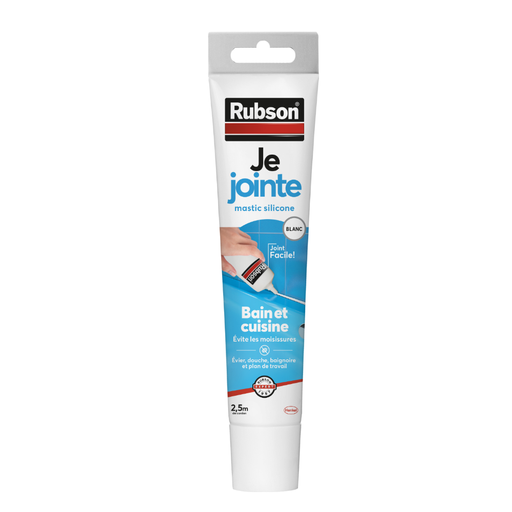
Why it's a good fit : Ideal for a targeted repair, like the edge of a basin or a small crack. Its tube format allows you to use it immediately without buying extra tools. Perfect for those who only bring out the toolbox in an emergency.
It eliminates the problem of complex application. No need for a gun or special technique; just squeeze the tube and follow the joint.
Ready to use, easy and precise application. Special anti-mould silicone formula for sanitary use.
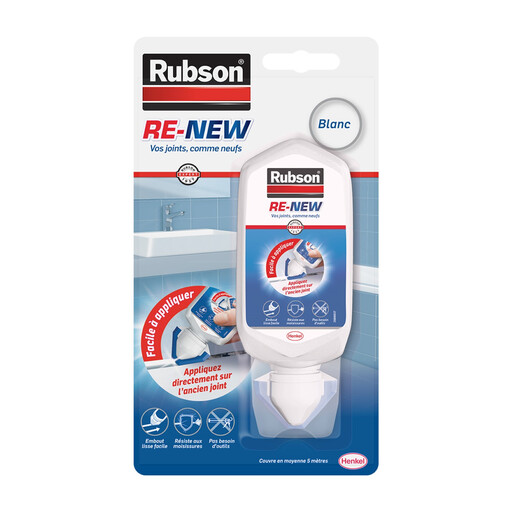
Why it's a good fit : For anyone who wants to give a fresh look to yellowed or mouldy joints without the tedious task of removing the old silicone. It's the ultimate express renovation solution.
It bypasses the dreaded step of removing the old sealant. The integrated auto-smoothing applicator ensures a clean finish effortlessly.
Apply directly over the old joint. Its patented Silicotec formula, a Henkel technology, promises excellent anti-mould protection.
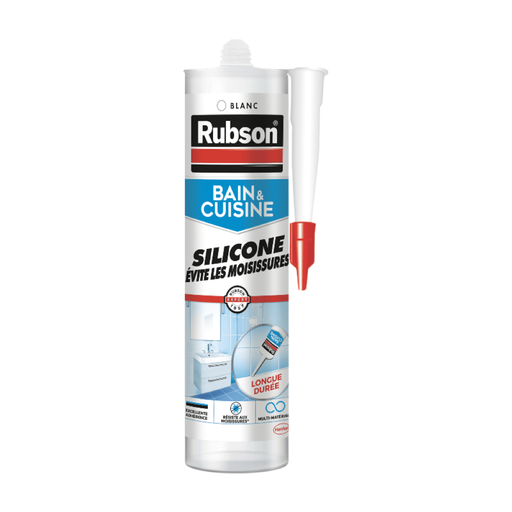
Why it's a good fit : This is the go-to choice for a new installation or a large-scale renovation. The cartridge format offers the best value for money for covering long lengths, like an entire shower enclosure or a kitchen worktop.
It tackles the problem of durability. Its formula, enriched with fungicides, is designed for long-lasting protection. A reliable choice for a waterproof kitchen sealant or for the bathroom.
Reinforced anti-mould protection. Excellent value for money for large areas.
We have put together a complete selection of products that meet our quality criteria and current standards.
The lifespan of a silicone bathroom sealant depends on several factors?: the quality of the product, the care taken during application, the room's ventilation, and the cleaning frequency. A high-quality sealant, properly applied in a well-ventilated bathroom, can easily last 5 to 10 years. The first signs of mould always appear in the dampest and most poorly ventilated areas.
In principle, this is a very bad idea. The new sealant will not adhere properly to the old one, and moisture could get trapped underneath, creating a breeding ground for mould. The correct method is to remove all the old sealant, clean and degrease the surface, and only then apply the new one. The only exception is for renewal products like Rubson Re-New, which are specifically designed for this purpose.
For routine maintenance, a soft sponge with soapy water or diluted white vinegar works perfectly. Gently scrub, rinse, and then dry. Above all, avoid harsh products like pure bleach or scouring powders?: they damage the sealant and negate the effect of the antifungal agents. The best preventive measure is simple?: ventilate the room well after every shower.