
Same-day & Next-day Delivery

Quality Guaranteed

Unlock Your Welcome Offers: FREE Delivery | Up to 80% OFF | Free 30-day JoyPlus trial
Download the APP
In areas with hard water, limescale quickly builds up on taps, shower screens, toilets and household appliances. However, choosing a limescale remover based solely on the claims on the packaging can lead to buying a product that isn’t right for you.
Before comparing a bathroom descaler, a limescale filter or a washing machine limescale remover, first identify the surface you need to treat, how often you plan to use the product and what precautions you should take.
A limescale spray for everyday cleaning isn’t used in the same way as a gel designed to tackle stubborn deposits. The spray is usually applied after a shower to help prevent water marks, while the gel needs to be left on an established layer of limescale for several minutes.
To remove limescale, check the recommended contact time and make sure the product is suitable for the surface. If you simply want to prevent deposits, using the product regularly matters more than choosing a larger bottle.
Acids and descaling agents can damage marble, natural stone, some untreated metals and porous surfaces. Even if a limescale cleaner is described as multi-purpose, take the time to read the label and test it on an inconspicuous area first.
Never mix a limescale remover with bleach or another cleaning product. This could release dangerous fumes.
A larger pack isn’t necessarily better value. Compare the volume, the amount needed, how often it must be applied and what you’ll use it for. A product used every day in a shower won’t cost the same per use as a dishwasher descaler used every two months.
Check for surfactants, acids, fragrances or preservatives that may irritate some people. Wear gloves if the label recommends it, ventilate the room and keep products out of reach of children and pets.
For a limescale filter intended for drinking water, check compatibility with your jug, the stated capacity and how often the cartridge needs replacing. A used cartridge may become less effective, so replace it as directed in the instructions.
A spray bottle makes it easier to cover large surfaces. A gel with an applicator nozzle lets you target grout, the areas around taps and hard-to-reach corners. For a dishwasher, pre-measured sachets help prevent dosing mistakes. In all cases, follow the instructions rather than using a larger dose.
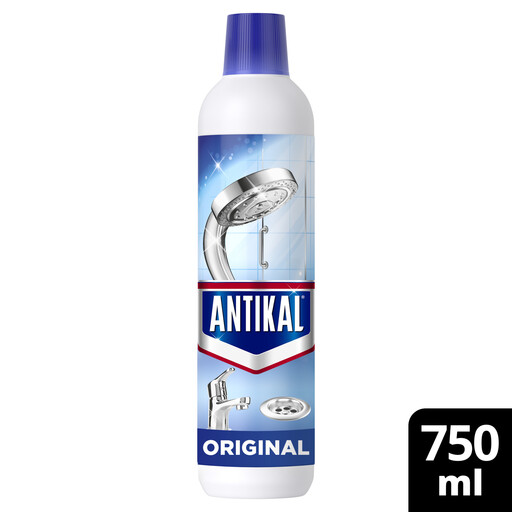
Why this is a good fit for this type of user : This 750 ml bottle is suitable for cleaning sinks, washbasins, baths, tiles and shower screens. Its gel texture clings to vertical surfaces.
The gel lets you target deposits without building up a collection of cleaning products. However, rinse thoroughly and check that it’s suitable for the surface before use.
Targeted application, a clinging texture and intended for use on several bathroom surfaces.
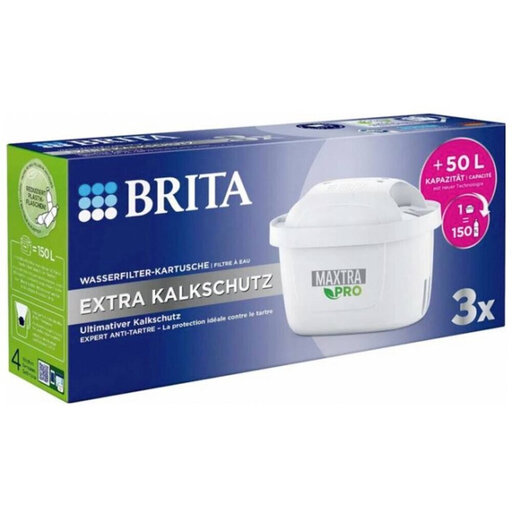
Why this is a good fit for this type of user : This pack is for households that want to filter cold tap water regularly using a compatible jug.
The stated usage period of up to 4 weeks or 150 litres per cartridge gives you a clear guide for planning replacements.
Four-stage filtration according to the product listing, with three cartridges in the pack to help you plan replacements.
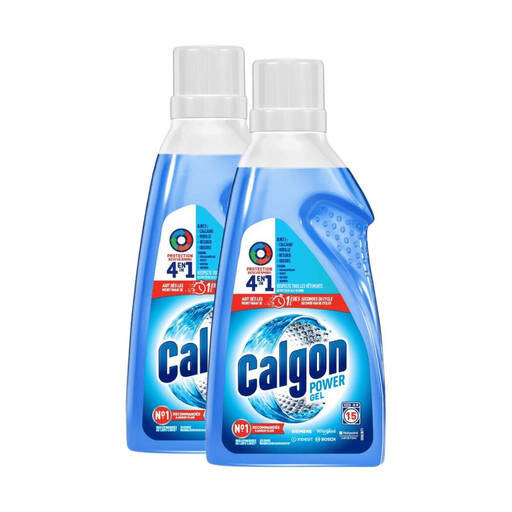
Why this is a good fit for this type of user : This 1.5-litre pack is suitable for households that use their washing machine frequently and want to maintain it regularly.
This product is designed specifically for washing machines. That makes it clear that it shouldn’t be used on other surfaces or in appliances it isn’t intended for.
A gel described as 4-in-1, supplied in two 750 ml bottles. Follow the manufacturer’s instructions for the correct dose.
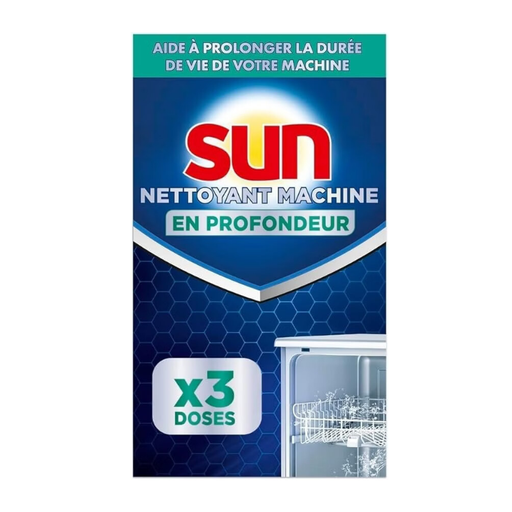
Why this is a good fit for this type of user : The three pre-measured sachets are ideal for periodic dishwasher maintenance, with no need to measure out a dose each time.
The instructions recommend using the product in an empty dishwasher, placing one sachet in the designated compartment and repeating the process every two months.
Three 40 g doses, totalling 120 g, suitable for a short or eco cycle according to the product listing.
We’ve put together a complete list, updated in real time, of products that meet these exacting selection criteria and European safety rules.
A limescale gel is generally suitable for heavy deposits, as it stays on vertical surfaces for longer. For everyday cleaning, a spray is often more convenient. In either case, check that the product is suitable for glass, tiles, grout and taps.
It depends on your water hardness, how many cycles you run and the manufacturer’s recommendations. Some products are designed for every wash, while a machine cleaner is used less often. Always follow the dosage on the packaging.
A compatible filter cartridge may reduce certain substances in the water, including limescale, as stated by the manufacturer. Use it only with cold drinking water, replace it as often as recommended and store filtered water as directed in the instructions.