
Livraison le jour même ou le lendemain

Qualité garantie

Débloquez vos offres de bienvenue: Livraison GRATUITE | Jusqu'à -80 % | 30 jours d'essai gratuits à JoyPlus
Téléchargez l'application
Losing volume, noticing your hair is thinner, or finding more hair on your pillow often leads to an impulse buy of a shampoo, serum or supplement. Yet not all anti-hair loss hair care products address the same issue. An oily scalp, hair that snaps mid-length, and sudden shedding all call for very different solutions.
Before you fill your basket, it’s worth keeping three classic pitfalls in mind.
The hair you find on your pillow may simply have reached the end of its natural cycle. It could also be a weakened strand that snapped during washing or styling. A serum applied to the scalp will never replace a treatment designed to repair damaged lengths. Examine the condition of the hair, its texture and the amount you’re losing before choosing your routine.
An anti-hair loss shampoo cleanses the scalp and can be part of a hair care routine. However, its contact time is limited. Some people follow up their wash with a growth lotion, an anti-hair loss serum or ampoules. This combination obviously doesn’t guarantee a medical result and must always follow the manufacturer’s recommendations.
Alcohol, menthol, essential oils, fragrance or exfoliating actives aren’t necessarily suitable for sensitive scalps. Conversely, a very gentle formula may feel insufficient on a scalp that quickly becomes greasy. Take the time to check the INCI list, usage precautions and warnings.
In the UK, a cosmetic product cannot be presented as a treatment for alopecia or a medical condition.
Niacinamide, panthenol, caffeine, glycerin or plant extracts are found in many hair-strengthening formulas. Their presence tells you about the composition, but doesn’t on its own prove a reduction in hair loss.
Also check for fragrance allergens and denatured alcohol. If you experience redness, itching or a burning sensation, stop using the product immediately. Do not apply it to a wound, eczema or irritated area.
A large bottle isn’t necessarily the most economical – it all depends on how much you use per application. To compare prices, estimate the number of uses and the recommended frequency. A 60 ml serum applied daily could run out well before a 250 ml shampoo.
To track changes in hair density, consistency mainly serves as a reference point. You can take photos in similar conditions, without treating them as a medical measurement. Sudden shedding, bald patches or persistent loss warrant a consultation.
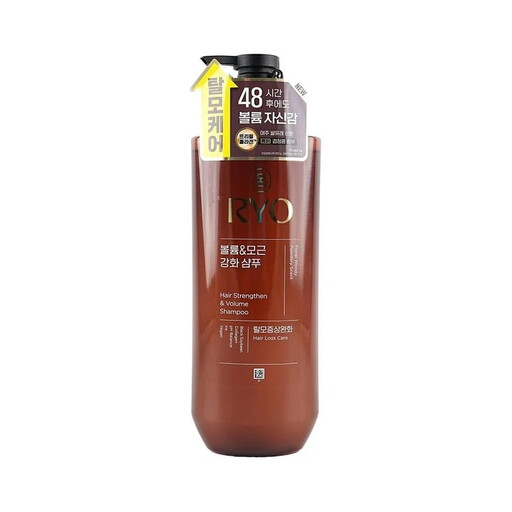
Why this choice suits this profile: With its 592 ml, this shampoo is ideal for those who want to start with a simple, rinse-out routine, especially if they wash their hair frequently.
Its low pH and the absence of several ingredients the brand claims are excluded from the formula allow you to decide based on concrete criteria, rather than a numerical promise.
A large format, reportedly generous lather, 14 plant-derived ingredients and a jasmine fragrance.
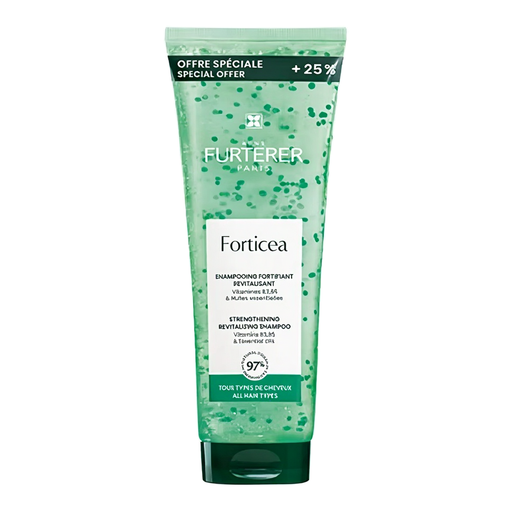
Why this choice suits this profile: It’s aimed at those who want a more ritualised wash, with scalp massage and a leave-on time of one to three minutes.
The detailed ingredient list lets you identify caffeine, niacinamide, panthenol, guarana and essential oils before ordering.
A 250 ml format, 97 % naturally derived ingredients as claimed, plus a vegan and biodegradable formula according to the product information.
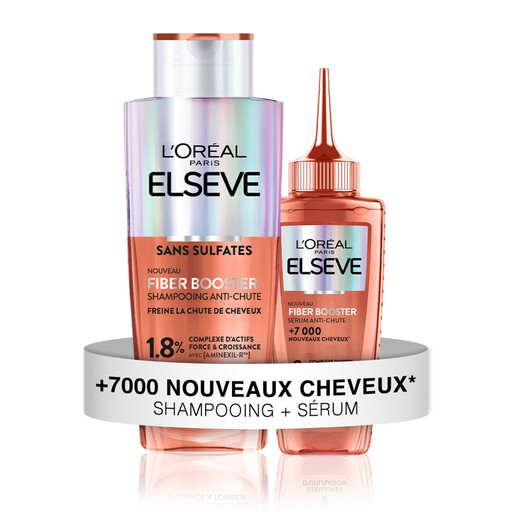
Why this choice suits this profile: This duo combines a 200 ml shampoo and a 100 ml serum. It’s suitable for those ready to follow a more structured, regular routine.
The two sizes and steps are clearly distinguished: shampoo, then leave-in serum. This helps limit duplicate purchases.
A targeted applicator for the serum, plus niacinamide and ginger extract mentioned in the composition.
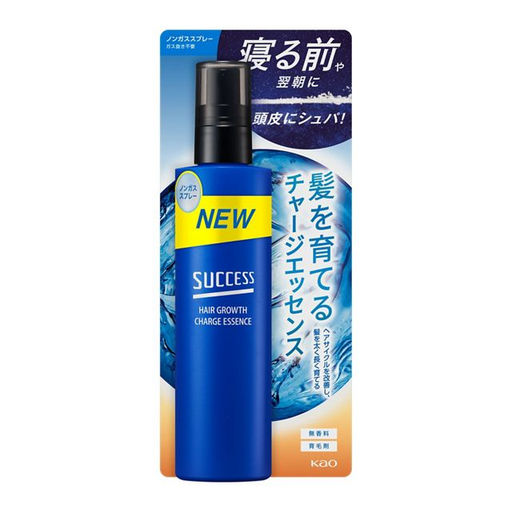
Why this choice suits this profile: Its nozzle lets you apply the product directly to several areas of the scalp, morning and evening, as per the instructions provided.
The instructions detail the spraying distance, massage and gradual application near the hairline – an area where liquid can run.
A 190 ml bottle, application possible with your head upside down, plus niacinamide and piroctone olamine declared in the formula.
A scalp treatment isn’t necessarily an anti-hair loss product. K18 PEPTIDE PREP, for example, targets the build-up of minerals and metals on the hair fibre. ROHTO MEGUMII, meanwhile, is mainly about gradually colouring grey hair. These products can have a place in a hair care routine, but not as a replacement for a treatment whose function they don’t claim to fulfil.
We’ve put together a complete, real-time updated selection of products that meet these exacting criteria, in line with European safety regulations.
It depends entirely on the product and the recommended application frequency. Check the label, then estimate how many uses each bottle allows. A consistently followed routine mainly helps you check the product’s tolerance and ease of use – it doesn’t guarantee results when the hair loss has a medical cause.
It’s possible, but these products work differently. The shampoo and serum are applied locally, while the supplement is taken orally. For Nutri&Co Complexe Cheveux, the stated dose is two capsules per day with a meal. Don’t exceed it and seek medical advice if you’re pregnant, breastfeeding, on medication or experiencing significant hair loss.
Make an appointment with a GP or dermatologist if the hair loss appears suddenly, becomes very heavy, or is accompanied by patches, persistent itching or redness. Products used at home can help maintain your hair and scalp, but they don’t replace an examination to identify the cause.