
Livraison le jour même ou le lendemain

Qualité garantie

Débloquez vos offres de bienvenue: Livraison GRATUITE | Jusqu'à -80 % | 30 jours d'essai gratuits à JoyPlus
Téléchargez l'application
Hair that puffs up at the slightest shower, unruly strands after drying, dry lengths despite regular washing: frizz is often a sign of a lack of hydration, porous hair or high humidity. An anti-frizz shampoo can make styling easier and help tame your hair, provided you choose a formula suited to your hair type and scalp.
A shampoo can leave your hair feeling soft immediately after washing without necessarily meeting the needs of very dry, curly or damaged hair. Silicones, conditioning agents and fragrance can sometimes improve how the hair feels, but they cannot replace a suitable haircare routine.
To avoid disappointment, start by checking the stated use: dry hair, curly hair, normal hair or damaged hair. A formula that is too rich may weigh down fine hair, while a shampoo that is too harsh can make porous lengths puff up even more.
A sulphate-free shampoo is not automatically suitable for every hair type. Other cleansing agents may be included in the formula, and how well they are tolerated varies from person to person. Conversely, the presence of a sulphate does not necessarily make a formula unsuitable, particularly if your scalp becomes greasy quickly.
The words silicone-free may appeal to people who prefer a lightweight routine or want to avoid certain coating agents. However, how your hair feels after washing also depends on the conditioner used afterwards, the water temperature and how your hair is dried.
A nourishing shampoo intended for the lengths does not meet the same needs as an anti-dandruff shampoo or a formula designed for an oily scalp. Dandruff, persistent itching and excess sebum require a specific choice. If irritation or a problem persists, it is best to seek advice from a healthcare professional.
Read the INCI list on the packaging, as formulations can change. Avocado oil, shea butter, aloe vera, sweet almond oil and babassu oil are found in various nourishing formulas. Their presence provides information about the ingredients, but does not guarantee the same results for everyone.
Also check the declared fragrance allergens, especially if you have sensitive skin. A vegan formula, one containing no animal-derived ingredients or one displaying a high percentage of naturally derived ingredients may suit your preferences. However, this does not replace checking the full ingredients list.
A 400 to 1,000 ml bottle can be practical for frequent or family use. However, take storage conditions and the best-before date shown on the product into account. On curly or very dry hair, washing too often can increase the feeling of dryness. Massage mainly into the scalp and let the lather run through the lengths, rather than rubbing them vigorously.
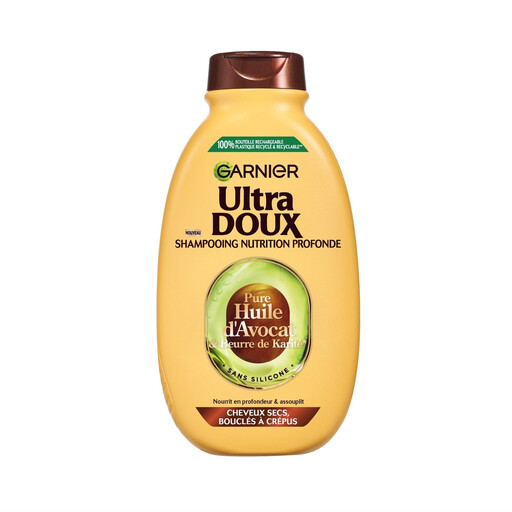
Why this choice suits this profile : Its everyday size and focus on dry, curly and frizz-prone hair make it a simple first step when creating a haircare routine.
The description clearly targets dry, curly and frizz-prone hair, rather than promising universal results.
Avocado oil, shea butter, glycerine and a 300 ml size are listed in the product details.
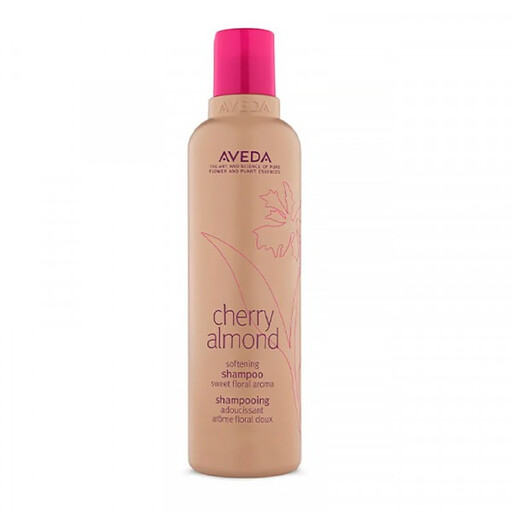
Why this choice suits this profile : It is aimed at people looking for a fragranced sensory experience and a formula described as vegan for normal to dry hair.
The product details clearly state that it contains sulphates and fragrance, allowing you to check these ingredients according to your tolerance.
97 % naturally derived ingredients claimed, a silicone-free formula, sweet almond oil and cherry blossom extract.
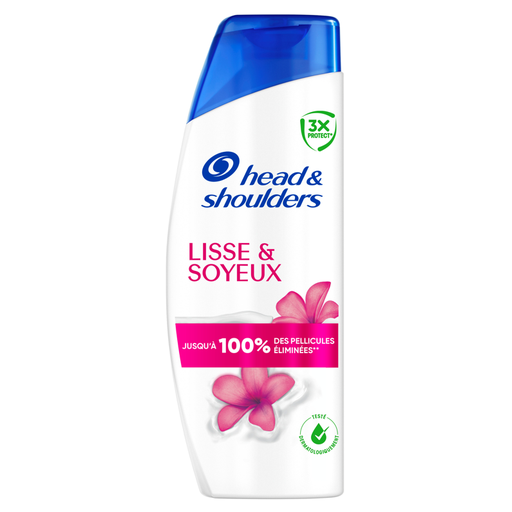
Why this choice suits this profile : Its targeted formula is designed for people dealing with dandruff, associated itching and excess sebum.
It is not presented as simply a smoothing shampoo: the product details mention piroctone olamine and its anti-dandruff purpose.
A 330 ml size, stated daily use and conditioning agents in the ingredients.
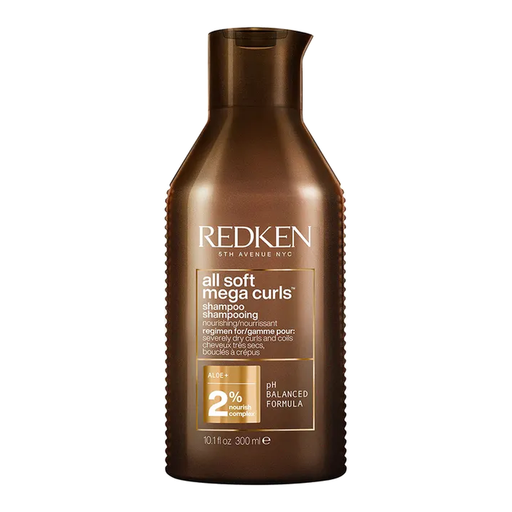
Why this choice suits this profile : Its sulphate-free formula is presented as suitable for naturally dry, curly to coily hair, with conditioner to be used afterwards.
The texture guidance is precise, reducing the risk of choosing a general-purpose formula for curls that need more flexibility.
A formula described as sulphate-free, with glycerine and powdered aloe vera juice listed among the ingredients.
We have brought together a complete, real-time updated selection of products that meet these demanding selection criteria and European safety regulations.
Thoroughly wet your hair with lukewarm water, then apply a small amount of product to the scalp. Massage with your fingertips without scratching the skin, then rinse thoroughly. A second application may be useful after exercising or when the roots are particularly greasy.
For dry lengths, follow up with a conditioner or hair mask. To dry your hair, gently squeeze it in a towel instead of rubbing it. High temperatures and vigorous brushing on wet hair can contribute to frizz, even when using a moisturising shampoo.
Choose a formula designed for dry, very dry, curly or coily hair, containing moisturising and nourishing agents. Garnier Ultra Doux shampoo with avocado oil and shea butter, as well as Franck Provost Expert Nutri-Frizz, may be worth considering depending on your preferences, particularly if you are looking for a formula described as sulphate-free and silicone-free.
No, it is not an absolute rule. This type of formula may nevertheless suit people looking for a cleansing experience they perceive as gentler or who follow a particular routine. Always check the full INCI list and monitor how both your scalp and lengths react.
Two to four washes are generally enough to assess scalp comfort, dryness levels and ease of styling. On damaged hair, shampoo cannot do everything: a detangling treatment and reducing heat damage are often essential.