
Same-day & Next-day Delivery

Quality Guaranteed

Unlock Your Welcome Offers: FREE Delivery | Up to 80% OFF | Free 30-day JoyPlus trial
Download the APP
Frizz is not necessarily caused by a lack of product. It often appears when the hair fibre is dry, porous, weakened by colouring or simply exposed to humidity. An effective routine generally rests on four pillars: gentle cleansing, nourishing care, heat protection and a lightweight finishing product.
Before filling your bathroom with anti-frizz products, however, it is worth avoiding a few marketing traps. They can quickly turn an expensive routine into a pile-up of treatments that are poorly suited to your hair type.
A serum containing film-forming agents can quickly deliver softness and surface shine. That does not mean the hair has been repaired deeply or permanently. For damaged lengths, also check for conditioning agents, oils, amino acids or hydrolysed proteins.
A highly nourishing hair mask can work wonders on thick, dry or curly hair, but may weigh down fine hair. Conversely, a lightweight formula may not be enough for highly porous hair. Texture, the amount applied and frequency of use matter just as much as the promise displayed on the bottle.
Claims such as “24-hour anti-frizz” or “48 hours” are sometimes based on instrumental tests conducted under very specific conditions. For example, the brand may have measured the result after application according to a defined protocol. Treat these figures as data supplied by the manufacturer, not as a guaranteed result for everyone.
For dry, curly hair, look for a combination of moisturising and emollient ingredients: glycerin, aloe vera, shea butter, plant oils or hyaluronic acid. A hydrating mask can be used once or twice a week, depending on the porosity of the hair fibre and how often you wash it.
Coloured or fine hair will often benefit from a gentler shampoo and a lightweight treatment. For example, Pureology Hydrate Sheer Shampoo features a silicone-free formula designed for fine, dry and colour-treated hair. Always check the ingredient list on the packaging, as formulas may change.
A protein treatment can be useful when the lengths have been weakened by heat, bleaching or chemical treatments. CP-1 Premium Hair Protein Treatment 25 ml contains hydrolysed silk, wheat, collagen and keratin proteins, along with conditioning agents.
This type of treatment is best used occasionally. Applying it too frequently can leave some hair feeling stiff. Alternate it with a nourishing or hydrating mask to preserve a soft, flexible feel.
If you use a hairdryer, straightener or heated brush, apply a heat-protective product to the lengths before styling. Franck Provost Expert Protection 230° Spray claims to provide protection up to 230°C, according to information supplied by the brand. In all cases, choose the lowest temperature that achieves the desired result.
Do not use a heated brush on wet hair unless the appliance explicitly has a mode designed for damp hair. Also check the wattage, temperature settings, weight, cable length and plug compatibility with your electrical installation in France.
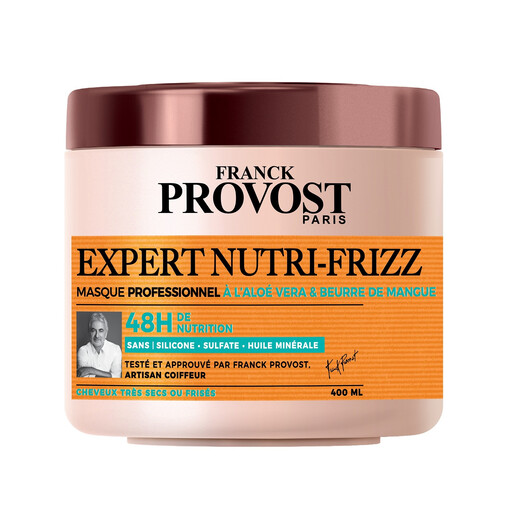
Why this choice suits this profile: Its generous size makes it easy to incorporate a weekly treatment into a routine for very dry or frizz-prone hair.
Its formula is advertised as free from sulphates, silicones and mineral oil. Its texture can be used either as a conditioner or as a mask.
400 ml, aloe vera and mango butter listed in the ingredients, with a leave-on time of 2 to 15 minutes depending on use.
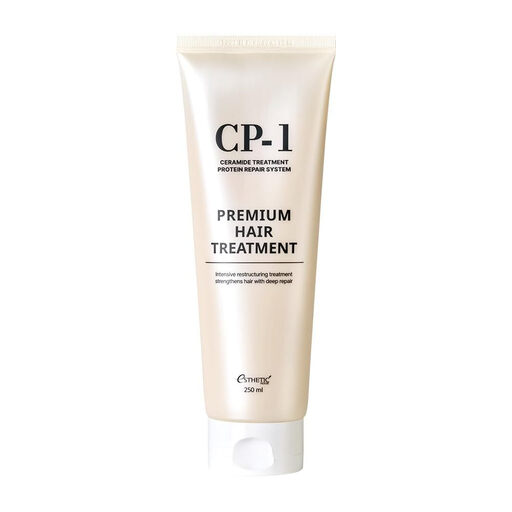
Why this choice suits this profile: A treatment rich in conditioning agents, amino acids, oils and ceramides for lengths that lack flexibility.
This is a rinse-out treatment to apply after shampooing for a few minutes, rather than a styling product to layer on every day.
250 ml, hydrolysed keratin, amino acids, shea butter and Ceramide NP listed in the ingredients.
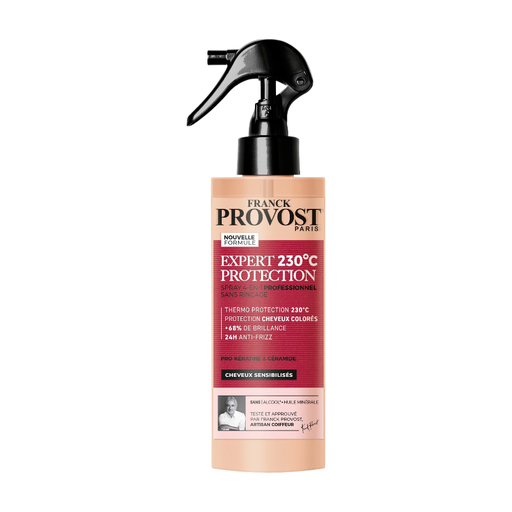
Why this choice suits this profile: A leave-in spray to apply to damp or dry hair before detangling and styling.
The bottle states that it should be used before heated appliances and provides protection up to 230°C. Nevertheless, follow the instructions and avoid contact with the eyes.
190 ml, pro-keratin and ceramide listed, with leave-in application on the lengths and ends.
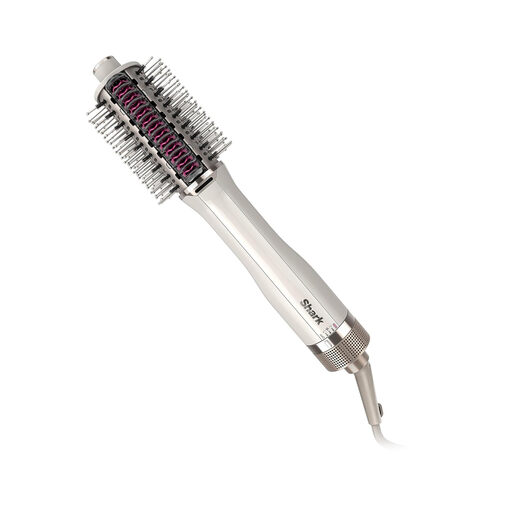
Why this choice suits this profile: A two-in-one hot air brush for drying and smoothing hair, or straightening dry hair between washes.
Its two modes distinguish between damp and dry hair, reducing the risk of incorrect use compared with a conventional heated brush.
900 W, three temperature settings, three speeds, damp- and dry-hair modes, with a stated weight of 730 g.
Explore a regularly updated selection of products designed to smooth, hydrate and protect hair. Compare their features according to your routine.
Start with a gentle shampoo, then use a detangling conditioner and a nourishing mask once or twice a week. Formulas containing aloe vera, glycerin, shea butter or plant oils can improve softness and flexibility. For fine curls, use a light hand when applying products.
Check the open-jar symbol on the packaging, usually expressed in months. Also follow the date provided by the manufacturer and the recommended storage conditions. Any change in odour, colour or texture should prompt you to stop using the product.
It depends on the appliance’s wattage and how long you use it. A 900 W appliance running for 10 minutes theoretically consumes around 0.15 kWh. To estimate the cost in France, multiply this figure by the per-kilowatt-hour rate specified in your contract. Regularly cleaning the filter, air intakes and plates also helps preserve the appliance’s performance.