
Livraison le jour même ou le lendemain

Qualité garantie

Débloquez vos offres de bienvenue: Livraison GRATUITE | Jusqu'à -80 % | 30 jours d'essai gratuits à JoyPlus
Téléchargez l'application
Sneezing when you wake up, a runny nose, itchy eyes? If this sounds familiar, rest assured: you're not alone. For millions of people, dust mites—those microscopic critters that love our bedding—are the cause of near-constant discomfort. The anti-dust mite vacuum then emerges as the silver bullet. The problem: the market is saturated with marketing promises that are often misleading.
As a Product Specialist at Joybuy, my mission is to help you separate fact from fiction. Let's cut the technical jargon and get straight to the point. Before you pull out your credit card, here are the pitfalls to avoid so you don't regret your purchase.
To make the right choice, focus on the features that guarantee a deep clean for your mattress and effective allergen capture.
This is the most critical factor. To dislodge dust mites and their eggs, which literally cling to the fibres of your mattress, powerful suction is essential.
A good dust mite cleaner does more than just vacuum. It must combine several actions for maximum effectiveness.
To avoid releasing allergens back into the room, quality filtration is crucial.
We've selected models that check all the technical boxes, for different budgets and needs.
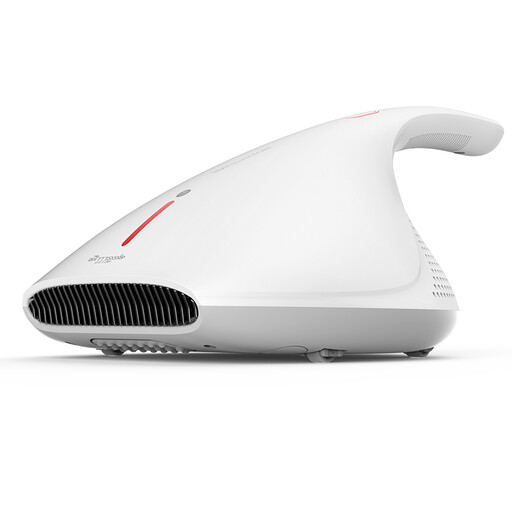
The Profile: Perfect for simple and effective weekly maintenance. Its light weight makes it an excellent handheld anti-dust mite vacuum for tackling mattresses, sofas, and cushions without any hassle.
It doesn't rely on a single gimmick. It combines powerful 13,000 Pa suction, an 8,000 beats/min beater, and 50°C hot air. Its dual-stage HEPA filtration ensures effective allergen capture.
The perfect balance between the four key functions (suction, beating, heat, UV) in a compact and easy-to-handle format. The ideal daily ally.
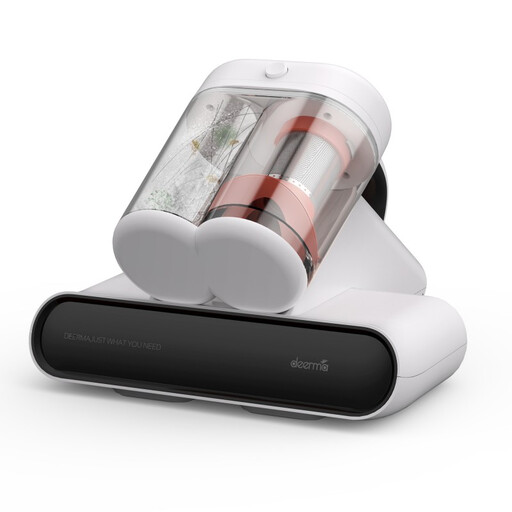
The Profile: Designed for those with severe allergies or pet owners. Its superior performance allows for a more intense, and therefore potentially less frequent, cleaning.
It tackles the #1 problem (loss of suction) with its dual-tank system, which guarantees constant suction. Its faster beater (12,600/min) and hotter air (60°C) make it a formidable weapon.
Its dual-tank system, which guarantees suction performance that never fades. The high-frequency beater and high temperature provide next-level sanitising action.
Discover our full selection of products, tested and approved by our experts to enhance your home's comfort.
For allergy sufferers, a weekly pass over the mattress, pillows, and duvet is an excellent habit to get into. For general maintenance, once every two weeks or once a month is enough to maintain a healthier sleeping environment.
The noise level is comparable to a standard handheld vacuum, typically between 75 and 85 decibels (dB). It's certainly loud, but since the operation only lasts a few minutes per mattress, it's perfectly tolerable.
Yes, on most models, the dustbin and filters (including the HEPA filter) are removable and washable with water. This is essential for hygiene and for maintaining the device's performance. Be careful: make sure all components are completely dry before reassembling them to prevent any mould growth.