
Livraison le jour même ou le lendemain

Qualité garantie

Débloquez vos offres de bienvenue: Livraison GRATUITE | Jusqu'à -80 % | 30 jours d'essai gratuits à JoyPlus
Téléchargez l'application
Anti-dark spot skincare for the face addresses many concerns: sun-induced brown spots, post-acne marks, hyperpigmentation, uneven skin tone, and dull-looking skin. Yet choosing a dark spot serum or cream isn’t simply about spotting the word “radiance” on the packaging.
Certain mistakes can lead you to buy a product that doesn’t fit your routine or your skin’s sensitivity.
A pearly texture or luminous finish after application doesn’t necessarily mean pigment spots are being reduced. This effect can simply come from the formula, pigments, or film-forming agents. To compare products properly, look at the INCI list, identify the targeted active ingredients, and check the usage instructions.
Combining vitamin C, exfoliating acids, retinol, and fragranced products all at once can quickly make a routine uncomfortable, especially on sensitive skin. A formula based on niacinamide, alpha-arbutin, or tranexamic acid can already form a coherent routine. Introduce only one new product at a time and patch test it first.
Ultraviolet rays can make brown spots look more pronounced and reduce the benefits of a consistently followed routine. A brightening face treatment should therefore be paired with broad-spectrum sun protection, applied in the morning according to the instructions on the packaging. Without this precaution, results may be less even.
Here are the ingredients commonly found in treatments designed to improve the appearance of your complexion:
The position of an ingredient in the INCI list alone isn’t enough to predict the result. Also consider the texture, hydrating agents, presence of fragrance, and any usage precautions indicated by the manufacturer.
Dry or mature skin will generally appreciate a cream containing glycerin, hyaluronic acid, ceramides, or emollient oils. Combination skin may prefer a lightweight serum, topped with a cream only on areas that feel tight.
Fragrances, essential oils, exfoliating acids, and preservatives aren’t necessarily suitable for all skin types. Read the ingredients list carefully before buying, especially if you have a known allergy. If you experience redness, itching, swelling, or a persistent burning sensation, stop using the product and seek advice from a healthcare professional.
A 30 to 50 ml serum is generally suitable for targeted or daily application. A 50 to 70 ml cream fits easily into the final step of your routine. Sheet masks, particularly boxes of 10, are better suited for occasional use when your skin needs comfort and hydration.
It’s better to choose a formula you’ll actually want to use regularly than to stockpile several similar products in your bathroom.
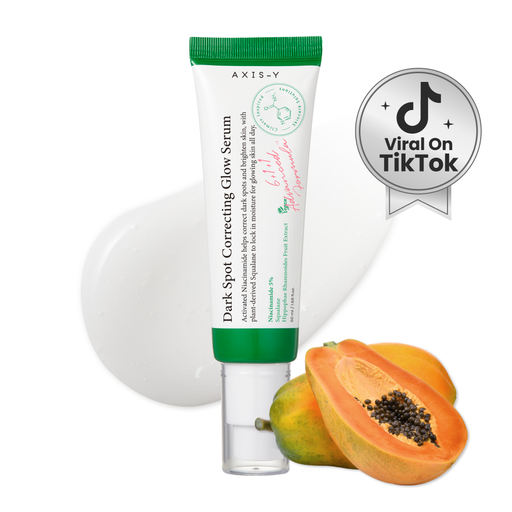
Why this choice suits this profile: Its serum texture and 50 ml format make it easy to incorporate into a simple daily routine, after cleansing and before moisturiser.
The formula focuses on a stated 5% concentration of niacinamide, without needing to layer several targeted serums.
Niacinamide, squalane, hyaluronic acid, and rice bran extracts in a lightweight texture.
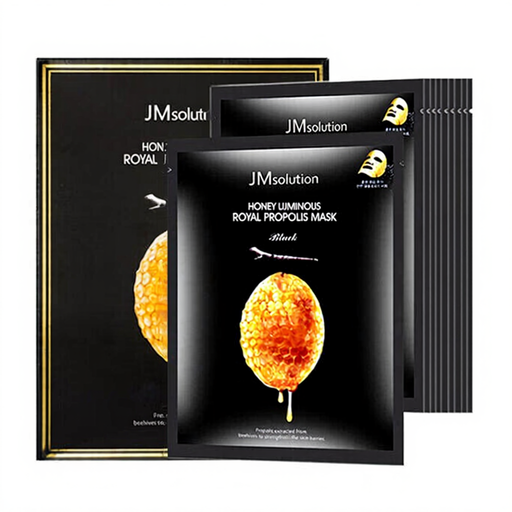
Why this choice suits this profile: This box of masks is aimed at those who prioritise a hydrating treat and a more complete Korean skincare routine.
The 10-unit format allows you to reserve the mask for occasional use, without replacing your daily steps.
Eight forms of hyaluronic acid, niacinamide, glutathione, and peptides, according to the stated composition.
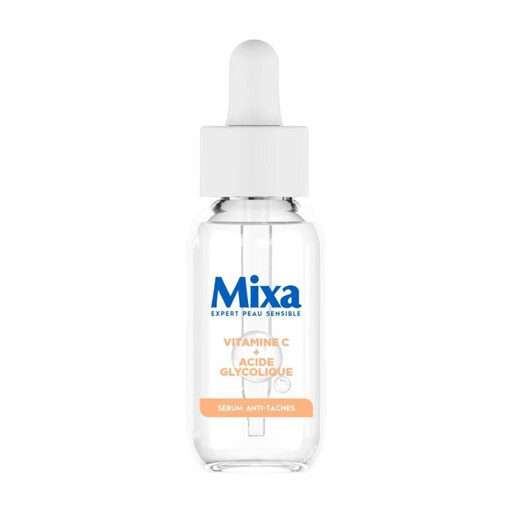
Why this choice suits this profile: Its concentrated format suits people who want to target specific areas with a serum combining several brightening active ingredients.
The presence of glycolic acid and salicylic acid encourages you to space out applications if your skin is sensitive, rather than layering several exfoliants.
Vitamin Cg, niacinamide, glycolic acid, and salicylic acid in a 30 ml bottle.
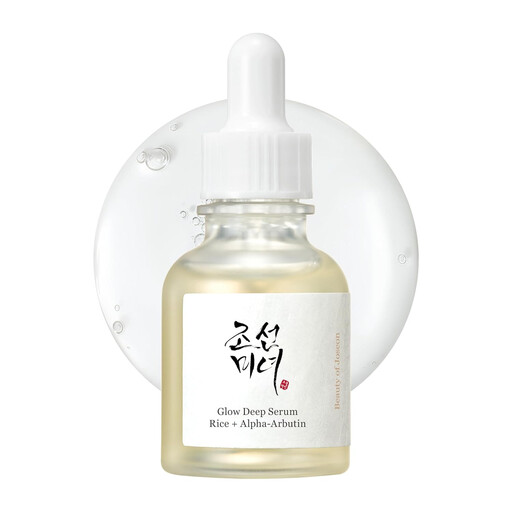
Why this choice suits this profile: Its short formula and lightweight texture can fit into a minimalist routine, provided you check the ingredients list according to your sensitivity.
It combines two clearly identified active ingredients: rice and 2% alpha-arbutin, rather than a hard-to-assess blend.
Rice bran water stated at 68.6%, 2% alpha-arbutin, and niacinamide.
We’ve put together a comprehensive list, updated in real time, of products that meet these demanding selection criteria and European safety regulations.
In the morning, gently cleanse your face, apply a hydrating lotion if you wish, then the dark spot serum and moisturiser. Finish with sun protection. In the evening, remove your make-up and cleanse your skin before applying your chosen treatment.
Avoid introducing several products on the same day. For formulas containing acids, space out applications and don’t automatically combine them with other exfoliants. Store bottles away from heat and light. Also remember to check the expiry date and the ingredients list printed on the packaging.
Opt for a hydrating formula without a build-up of exfoliating active ingredients, and check for fragrance or essential oils. Patch test on a small area before first use. In the morning, sun protection remains essential.
Regularity matters more than applying too frequently. Follow the manufacturer’s instructions and monitor your skin’s reaction. If irritation occurs, stop using it. For any new, changing, or persistent spot, seek medical advice.
These active ingredients can be used within the same routine, but tolerance depends on the formula and your skin. Start gradually, apply the products separately if needed, and avoid layering several exfoliating active ingredients at the same time.