
Livraison le jour même ou le lendemain

Qualité garantie

Débloquez vos offres de bienvenue: Livraison GRATUITE | Jusqu'à -80 % | 30 jours d'essai gratuits à JoyPlus
Téléchargez l'application
Visible dandruff, itching, greasy roots or a tight, uncomfortable feeling: choosing an anti-dandruff shampoo is about more than comparing the claims displayed on the bottle. The right formula mainly depends on your scalp type, how often you plan to use it and the active ingredients listed.
Small white flakes may be caused by dryness, but they can also indicate an imbalance in the scalp. A shampoo that removes too much oil may make tightness and discomfort worse. Conversely, an overly rich formula can weigh hair down and may not suit greasy roots.
Claims such as ‘from the first use’, ‘complete protection’ or ‘long-lasting action’ are part of brand communications. They should be considered alongside the stated usage instructions and do not guarantee the same results for everyone.
Instead, check:
Menthol, essential oils and fragrance ingredients provide a cooling sensation, but may not be suitable for sensitive scalps. If redness, burning or irritation occurs, stop using the product. If symptoms persist, seek advice from a healthcare professional.
For a scalp prone to persistent dandruff and itching, some formulas contain piroctone olamine or ciclopirox olamine. These ingredients appear in several products in this selection, but their presence does not constitute medical advice. A dermatological shampoo intended to treat a recurring problem should be used according to its instructions.
If your scalp is oily, look for a cleansing formula that can remove excess sebum without encouraging you to wash your hair more frequently or aggressively. For a dry scalp, prioritise a routine containing glycerine, conditioning agents or a specific moisturising treatment.
The ingredients list helps you identify components that may not suit your usual routine or your scalp’s sensitivity:
A formula described as ‘hypoallergenic’ is designed to reduce the risk of an allergic reaction, but does not completely rule one out. Always check the label of the product you receive, as formulations can change.
A 1,000 ml bottle can be a cost-effective choice for regular family use, while a 100 ml size is more convenient for trying a targeted routine or travelling. When comparing different sizes, the price per litre is more informative than the price displayed for the product.
If breakage is your main concern, shampoo alone may not meet all your needs. A leave-in anti-hair-loss serum, applied to dry or damp hair, can complement your routine, provided you follow the manufacturer’s precautions.
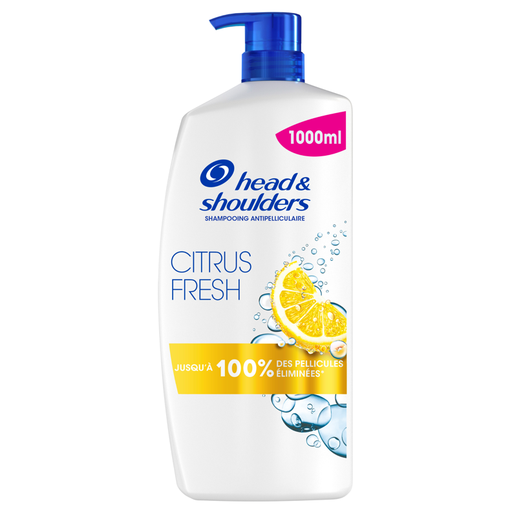
Why it suits this profile : its large size is well suited to frequent use, and its description states that it is intended for greasy hair, with a citrus fragrance.
Its 1 L size makes it easier to compare the cost per use and avoids building up a collection of small bottles.
Contains piroctone olamine, has a stated balanced pH and is described by the brand as suitable for daily use.
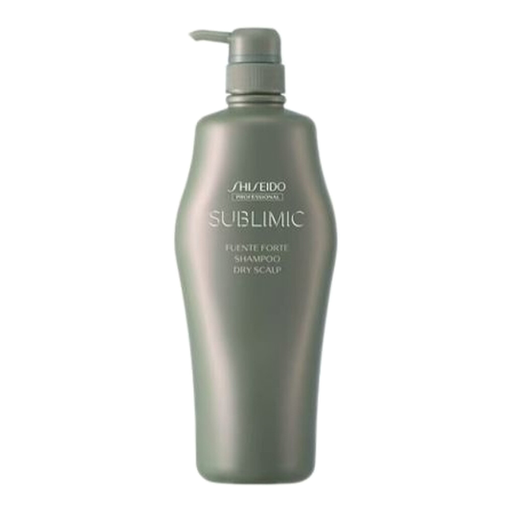
Why it suits this profile : it is aimed at people looking for a treatment for a dry scalp and a more comfort-focused washing experience.
Its description clearly targets dry scalps rather than making a general promise intended to suit everyone.
1 000 ml size, with glycerine, arginine and plant extracts listed among the supplied ingredients.
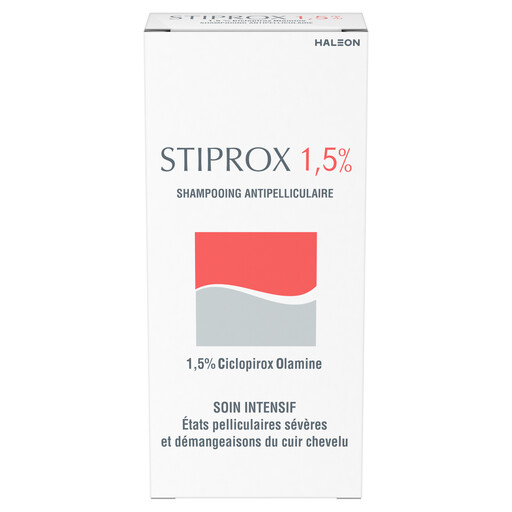
Why it suits this profile : its small size and targeted formula suit those looking for a shampoo that soothes itching associated with recurring dandruff.
The instructions specify applying it with a massage and leaving it on for a few minutes, so the method of use is clearly defined.
Contains ciclopirox olamine and is positioned by the manufacturer as a dermatological product.
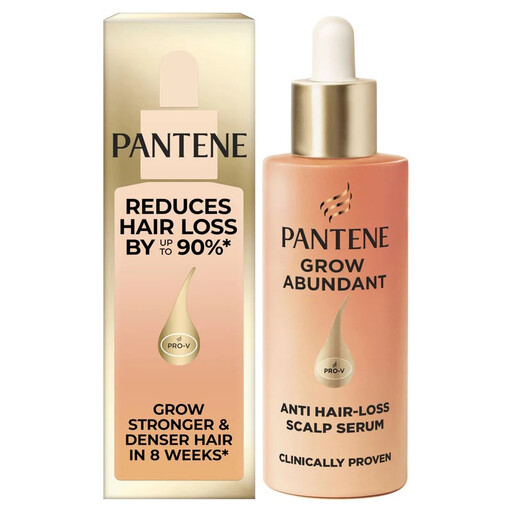
Why it suits this profile : this leave-in serum complements a routine when the main concern is breakage and the feeling that hair lacks density.
It is not presented as an anti-dandruff shampoo: it is used as a complement, on dry or damp hair and without rinsing.
Advertised lightweight texture, with niacinamide and panthenol in the formula, plus daily leave-in application.
We have brought together a complete, real-time updated selection of products that meet these exacting criteria and European safety requirements.
If dandruff persists despite following a regular routine, is accompanied by thick patches or causes severe itching, seek medical advice. A cosmetic shampoo is not a substitute for a diagnosis.
The duration depends on the formula and its instructions. Some products are designed for daily use, while targeted dermatological shampoos may require a specific frequency and leave-on time. Follow the manufacturer’s recommendations rather than increasing the frequency of use yourself.
Yes, some formulas are designed for sensitive scalps, but that does not mean they will suit everyone. Check for fragrance, menthol, essential oils and preservatives. A gradual trial is preferable; at the first sign of a reaction, stop using the product immediately.
Your needs may vary depending on different areas and your hair type. For greasy roots, choose a formula focused on cleansing and regulating excess sebum. If the lengths are dry, add a moisturising scalp treatment or apply conditioner to the lengths to reduce the feeling of dryness.