
Livraison le jour même ou le lendemain

Qualité garantie

Débloquez vos offres de bienvenue: Livraison GRATUITE | Jusqu'à -80 % | 30 jours d'essai gratuits à JoyPlus
Téléchargez l'application
Dandruff can be caused by excess sebum, dryness, a build-up of styling products or an imbalance of the scalp. However, choosing an anti-dandruff shampoo at random is not always a good idea. A formula that is too harsh can worsen feelings of discomfort, while a product that is too nourishing may weigh down hair that becomes greasy quickly.
Before buying, focus on three points: your scalp type, the active ingredients in the formula and how often you plan to use it.
White flakes do not necessarily mean that your scalp lacks hydration. If your roots become greasy quickly, your hair looks weighed down or the flakes stick to your scalp, a formula designed for dry hair may not be suitable.
Conversely, using a clarifying shampoo too often can increase dryness and tightness. Your choice should therefore take the condition of your roots into account, not just the visible appearance of the dandruff.
Phrases such as “freshness”, “purifying” or “long-lasting protection” mainly reflect marketing positioning and brand claims. They do not replace checking the INCI list.
In particular, look for active ingredients such as piroctone olamine, salicylic acid or ciclopirox olamine, as well as declared fragrances and allergens. People with a sensitive scalp may prefer a shorter formula, while paying particular attention to essential oils, menthol and fragrance components.
An antifungal or highly exfoliating shampoo is not necessarily intended for daily use. Some products are designed for occasional use or according to a specific routine stated on the packaging.
Follow the instructions, leave-on time and recommended frequency. If you experience persistent redness, severe itching, patches or frequent recurrences, seek advice from a healthcare professional.
Piroctone olamine is found in many everyday anti-dandruff shampoos, including certain Head & Shoulders and Franck Provost products. Salicylate or salicylic acid can help loosen flakes, but excessive use may be uncomfortable for a dry scalp.
Ciclopirox olamine, found in Stiproxal, is combined with a targeted treatment formula. This type of product should be used according to the instructions and, if necessary, following advice from a healthcare professional. A cosmetic shampoo should not automatically be considered a medical treatment.
A 1-litre bottle can be practical for frequent or family use. However, remember to check the shelf life after opening and the storage conditions. A 100 to 145 ml size is more suitable for a targeted course or a first trial.
For an anti-dandruff shampoo suitable for everyday use, choose a formula that fits into your routine and do not leave the product on for longer than instructed. A gentle scalp massage is generally sufficient: rubbing too vigorously can increase discomfort.
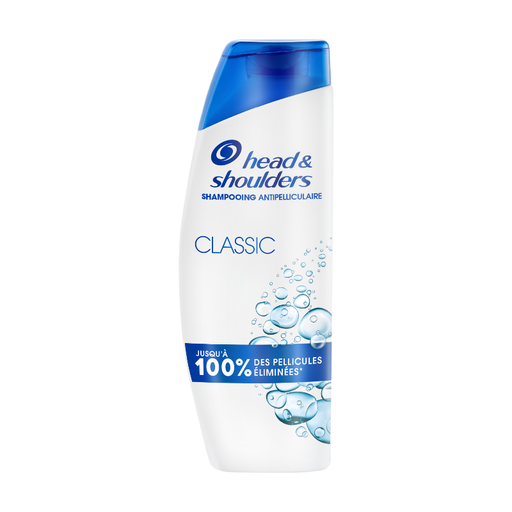
Why this choice suits this profile : With its 330 ml size and indication for daily use, this shampoo is suitable for a simple routine when you are looking for a versatile anti-dandruff formula.
The brand presents a pH-balanced formula tested under dermatological control. Nevertheless, check the INCI list, which includes fragrance and preservatives.
A standard 330 ml size, piroctone olamine in the ingredients list and instructions suited to daily use.
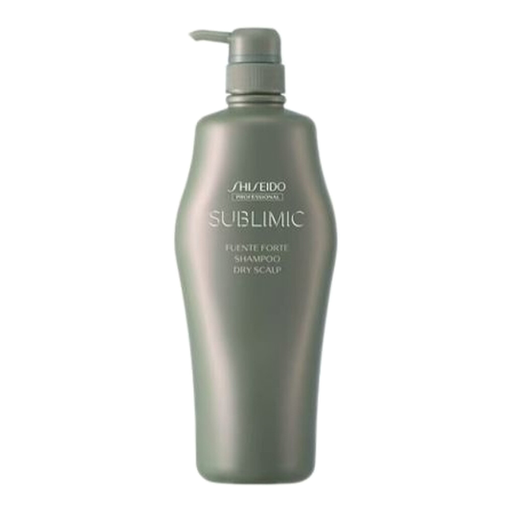
Why this choice suits this profile : Its large size and focus on dry scalps make it a suitable option for a regular routine centred on comfort and maintaining hydration.
This is a formula intended for dry scalps, rather than an aggressive clarifying shampoo for oily hair. However, check whether it contains fragrance and menthol.
A 1 000 ml size, cleansing agents combined with glycerine and an indication for dryness, itching and dandruff concerns.
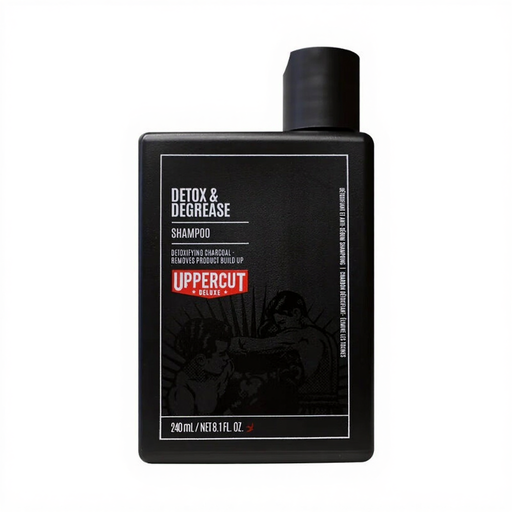
Why this choice suits this profile : Fans of wax, pomade or styling products can use it once or twice a week to remove residue and excess sebum.
Occasional use reduces the risk of replacing your daily shampoo with a clarifying formula. It should not be confused with a targeted anti-dandruff treatment.
Activated charcoal and salicylic acid in the INCI list, with a one- to two-minute leave-on time in cases of significant build-up.
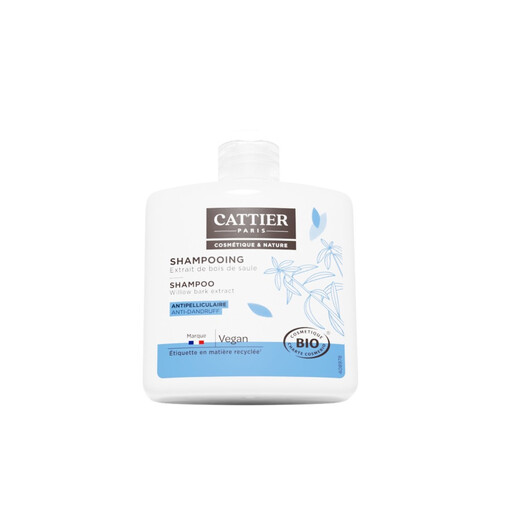
Why this choice suits this profile : This French-made option is intended for people looking for a certified organic, silicone-free formula, while still paying attention to fragrance allergens.
The manufacturer states the Ecocert Greenlife certification and the percentages of naturally derived ingredients. However, the presence of fragrance, benzyl alcohol and limonene should be assessed on an individual basis.
A 250 ml size and a vegan, silicone-free formula, with aloe vera, plant extracts and 99% naturally derived ingredients according to the product listing.
Avoid very hot water, scratching and a build-up of styling products. If you use an organic anti-dandruff shampoo or a formula for sensitive scalps, also check whether it contains essential oils and fragrance allergens.
Some products are presented as suitable for daily use, but the ideal frequency depends on the formula and your scalp. Follow the label instructions and space out washes if dryness or irritation occurs.
Clarifying shampoo mainly targets wax, pomade, pollution residue and excess sebum. Anti-dandruff shampoo generally contains an active ingredient intended to act on flakes. A clarifying shampoo therefore does not necessarily replace an anti-dandruff treatment.
If dandruff persists despite correct use, or if it is accompanied by patches, pronounced redness or severe itching, seek advice from a doctor or pharmacist. A product containing an antifungal active ingredient should be used according to its instructions and the recommendations of a healthcare professional.