
Livraison le jour même ou le lendemain

Qualité garantie

Débloquez vos offres de bienvenue: Livraison GRATUITE | Jusqu'à -80 % | 30 jours d'essai gratuits à JoyPlus
Téléchargez l'application
Visible flakes, itching, roots that become greasy in no time… These symptoms can drive you to buy the first shampoo that promises freshness and quick results. Yet a poorly chosen formula can worsen dryness, weigh down your lengths, or miss the real cause of the problem altogether.
Before choosing an anti-dandruff shampoo, take a moment to consider three things: the nature of your scalp, the active ingredients in the formula, and how often you plan to use it. It’s a simple approach to avoid disappointing purchases and find an anti-dandruff shampoo that truly fits your routine.
An oily scalp can produce flakes that cling to the roots. Conversely, a dry scalp often gives small white particles accompanied by a feeling of tightness. A highly purifying shampoo won’t necessarily bring comfort to dry or irritated skin.
Formulas designed for greasy roots sometimes contain clay, charcoal or salicylic acid. They can meet a need for targeted cleansing, but they don’t replace a moisturising treatment when your scalp lacks comfort.
Phrases like “from the first use”, “up to several weeks” or “clinically proven” should always be taken in context. Check the usage instructions on the packaging and distinguish between a pleasant cooling sensation and a lasting effect on flakes.
When a brand highlights a study, the results relate to its own protocol. They don’t necessarily guarantee the same effect for every user. Individual tolerance, washing frequency and the nature of the dandruff remain key factors.
A shampoo for irritated scalp may be poorly tolerated if it contains fragrances or essential oils to which you are sensitive. Silicone-free formulas can appeal to those seeking a lightweight feel, but the absence of silicone alone doesn’t make a shampoo suitable for all sensitivities.
Read the ingredient list carefully, especially if you have a known allergy. If you experience persistent redness, patches, burning or marked discomfort, seek advice from a healthcare professional.
Piroctone olamine is found in many over-the-counter anti-dandruff shampoos. Ciclopirox olamine appears in some targeted formulas, such as Stiproxal. As for salicylic acid, it helps to loosen flakes and also features in purifying shampoos.
Don’t compare these ingredients by name alone. Check the directions for use, the leave-on time, the recommended frequency and any warnings. An anti-itch shampoo may provide a cooling sensation thanks to menthol, but that alone doesn’t guarantee sufficient action against dandruff.
A 1,000 ml bottle can be practical for frequent or family use. Conversely, a 100 to 250 ml size makes it easier to test how well a formula suits you. If your scalp is very dry, alternating the anti-dandruff shampoo with a gentler cleanser can help maintain comfort, provided the instructions allow it.
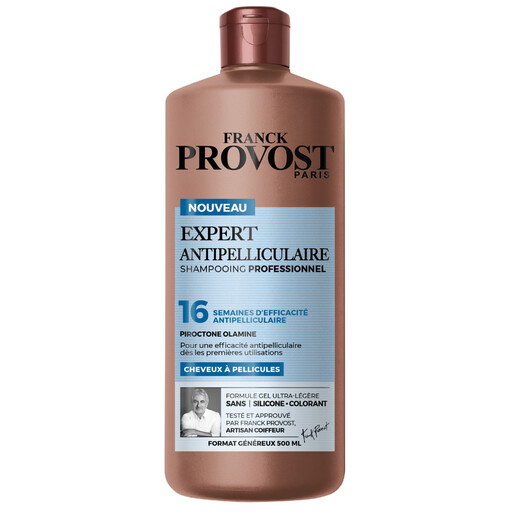
Why this choice suits this profile: Its 500 ml size works well for regular use, while its silicone-free formula can appeal to those looking for a lightweight feel.
The presence of piroctone olamine is clearly stated in the ingredients, making it easy to compare with other shampoos.
Family-sized 500 ml bottle, silicone-free formula and light gel texture, according to the product description.
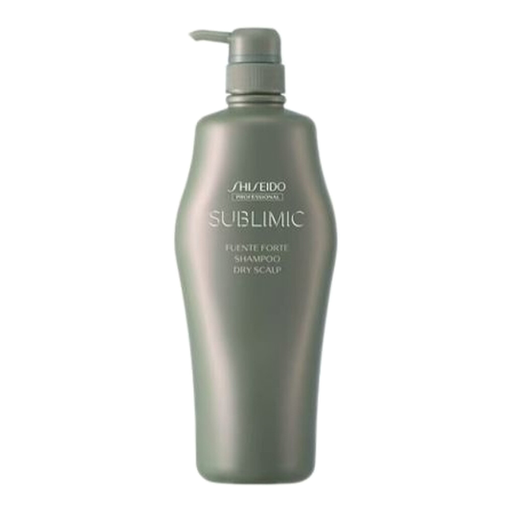
Why this choice suits this profile: This large format is aimed at those who want to incorporate a dry-scalp treatment into a consistent routine.
It is presented for dry scalps and the discomfort that can accompany them, rather than as a one-size-fits-all solution.
1,000 ml capacity, cleansing agents and plant extracts listed in the ingredients.
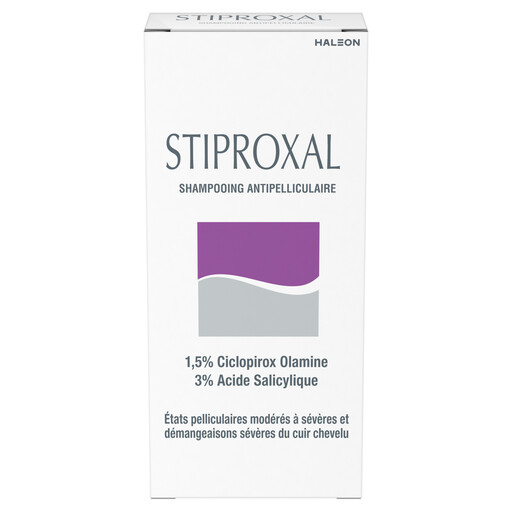
Why this choice suits this profile: Its targeted size and instructions dedicated to moderate to severe dandruff address a specific need, with use in line with the directions.
The formula details the presence of ciclopirox olamine and salicylic acid, rather than relying solely on a general promise of freshness.
Ciclopirox olamine, salicylic acid, panthenol and tocopherol are listed in the ingredients. For external use only.
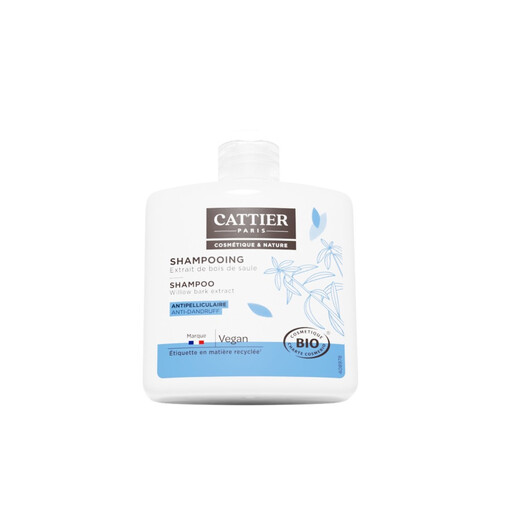
Why this choice suits this profile: Its 250 ml size suits those looking for a certified organic, vegan and silicone-free option.
The Ecocert organic certification, the stated natural origin and the absence of silicone are detailed on the product page.
Willow bark extract, aloe vera, vegan formula and 99% naturally derived ingredients, according to the product page.
We’ve put together a full selection, updated in real time, of products that meet these exacting criteria and European safety standards.
Apply the shampoo to wet scalp, then massage gently with your fingertips. Massaging too vigorously can worsen discomfort. Some products require a leave-on time of a few minutes: check the instructions rather than rinsing straight away.
Avoid contact with the eyes and rinse thoroughly if contact occurs. Discontinue use if irritation or an unusual reaction develops. If your dermatological anti-dandruff shampoo contains a specific active ingredient, ask a pharmacist or doctor for advice, especially if symptoms persist.
It depends on the formula and the severity of the dandruff. Follow the frequency stated on the packaging. If no improvement appears despite proper use, or if your scalp becomes painful, consult a healthcare professional.
Some products are designed for frequent use, but not all of them. A targeted shampoo containing exfoliating or antifungal actives may require a specific frequency of use. Only alternate with a gentle shampoo if the instructions allow it.
Compare formulas that combine an anti-dandruff action with cleansing suited to greasy roots. Charcoal, clay or salicylic acid may feature in their composition, but also check for fragrance and the overall tolerance of the formula.