
Livraison le jour même ou le lendemain

Qualité garantie

Débloquez vos offres de bienvenue: Livraison GRATUITE | Jusqu'à -80 % | 30 jours d'essai gratuits à JoyPlus
Téléchargez l'application
Visible flakes, itching, greasy roots or a tight, dry feeling – the right anti-dandruff shampoo should be chosen based on your scalp’s condition. Yet packaging often makes promises that aren’t always easy to compare.
Before you buy, keep three common pitfalls in mind:
A dry scalp isn’t treated the same way as an oily one. Start by spotting the most noticeable signs:
Piroctone olamine, salicylic acid, ciclopirox olamine, ceramides, glycerin and panthenol all have different roles.
An active ingredient, however promising, isn’t everything: how often you use the product, how long you leave it on, and your scalp’s tolerance all matter just as much.
A 1,000 ml bottle can be handy for regular or family use. On the other hand, a 100 to 145 ml size lets you try the formula gradually or take it with you easily. Also check whether the product is rinsed off straight away or needs to stay on your scalp for a few minutes.
To apply an anti-dandruff shampoo, wet your hair and scalp thoroughly, then massage with your fingertips without scratching. Rinse carefully. Avoid water that’s too hot and keep it away from your eyes. If irritation occurs, stop using it immediately.
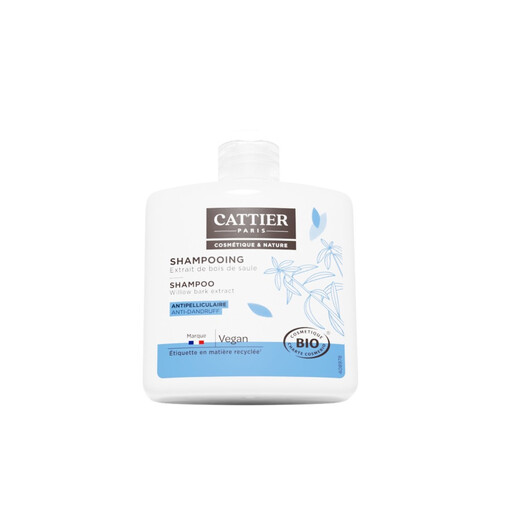
Why this choice suits this profile: Its 250 ml size is ideal for starting a routine. The formula includes aloe vera, glycerin and willow bark extract.
The product page lists fragrance allergens and advises stopping use if irritation occurs, helping you make a more informed choice.
Ecocert organic certification stated, silicone-free formula and made in France.
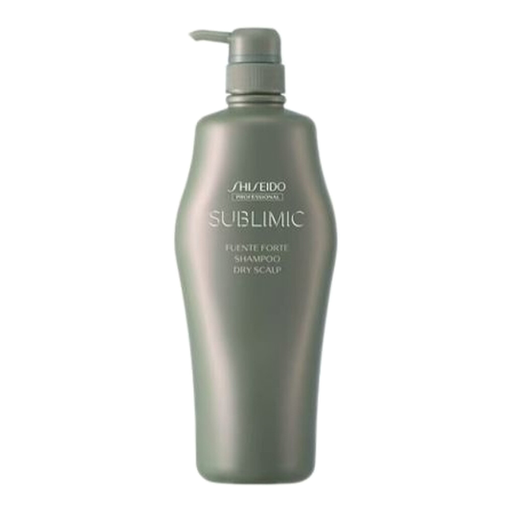
Why this choice suits this profile: With its large 1,000 ml size, this shampoo is aimed at regular users looking for a dry scalp treatment focused on comfort.
The product page details how to use it, precautions and the INCI list, rather than reducing the product to a simple freshness promise.
1,000 ml capacity, glycerin and menthol in the formula, with an indication for dry scalps.
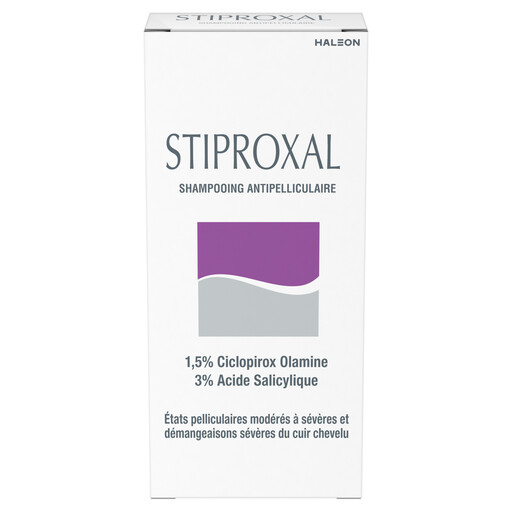
Why this choice suits this profile: Its small size and formula based on salicylic acid and ciclopirox olamine are suited to a targeted routine, to be followed according to the labelling.
It doesn’t present itself as a universal shampoo for daily use: the product page advises following the instructions on the packaging or those from a healthcare professional.
The ingredient list includes salicylic acid, ciclopirox olamine, panthenol and tocopherol.
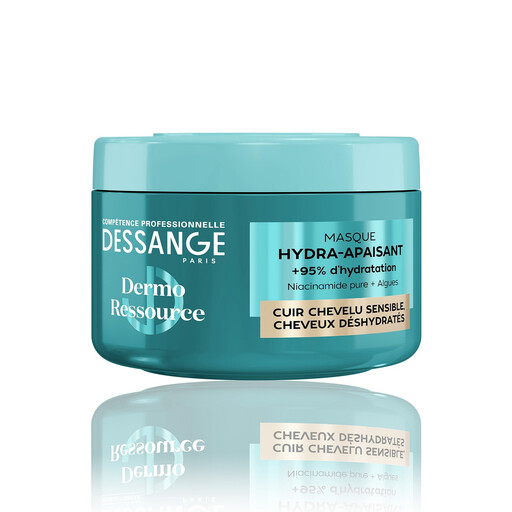
Why this choice suits this profile: This hydrating scalp mask is used once or twice a week, with a leave-on time of 5 to 10 minutes.
This treatment complements an anti-dandruff shampoo, but doesn’t automatically replace it: it primarily addresses a need for hydration.
The formula includes niacinamide, glycerin and algae extract; the product is made in France.
We’ve put together a full, real-time selection of products that meet these exacting criteria while complying with European safety regulations.
It depends on the formula and the instructions on the packaging. Some products are designed for regular use, while others are part of a more occasional routine. If your scalp becomes dry or uncomfortable, you could consider alternating with a gentle shampoo.
The time depends on the product. Some are rinsed off straight after massaging, while others need to stay on your scalp for a few minutes. Follow the instructions: leaving it on for longer doesn’t necessarily improve the result.
Start by checking how often you’re using it, how well you’re rinsing, and whether the formula is right for your scalp type. If flakes, itching, redness or pain continue, see a doctor or pharmacist. When a skin problem becomes established, a cosmetic shampoo is no substitute for medical advice.