
Livraison le jour même ou le lendemain

Qualité garantie

Débloquez vos offres de bienvenue: Livraison GRATUITE | Jusqu'à -80 % | 30 jours d'essai gratuits à JoyPlus
Téléchargez l'application
Cellulite, often referred to as “orange-peel skin,” can vary depending on genetics, skin structure, weight fluctuations and lifestyle. An anti-cellulite massager can complement an at-home skincare routine, but not every model meets the same needs. Before comparing prices or the number of attachments, certain criteria can help you avoid buying a device that ends up forgotten in a drawer after a few weeks.
Phrases such as “eliminates cellulite” or “guaranteed drainage” can create unrealistic expectations. An anti-cellulite massager primarily works through the mechanical stimulation of the skin and superficial tissues. It can make massages easier to perform regularly and provide a soothing, comfortable sensation, but it is not a medical treatment and cannot guarantee that cellulite will disappear.
Prioritise product pages that clearly specify speed settings, attachment types, battery life and areas of use. These details are easier to verify than a broad claim about effectiveness.
A massager that is too heavy, difficult to hold or fitted with an overly aggressive head may quickly end up unused. Pressure should remain moderate, particularly on the legs, hips, stomach and arms. Temporary redness may occur, but pain, bruising or persistent irritation are signs that you should stop using the device immediately.
Weight, handle design and the ability to select a slower rotation speed therefore matter just as much as the advertised power.
The IPX4 rating generally means that the product is resistant to water splashes; it does not mean that it can be submerged in a bath or used continuously underwater. An anti-cellulite massager described as waterproof or splash-resistant should always be cleaned and recharged according to the manufacturer’s instructions.
Never recharge a damp device or immerse the motor unit, even after using the massager near the shower.
For an anti-cellulite massager intended for the legs, two speed settings may be enough to tailor a session to different areas. A low speed is generally suitable for beginners or sensitive areas. A higher speed can be reserved for areas that tolerate massage better, without applying additional pressure.
Two rotation directions are also useful for varying the massage motion and reaching certain areas more easily. Check that the controls remain accessible during use.
A rechargeable massager should offer battery life that matches how often you intend to use it. Battery capacity is not the only factor to consider: charging time also deserves attention.
For example, the Medisana AC 950 and AC 900 feature a 7.4 V, 2,200 mAh lithium-ion battery, with an advertised runtime of up to five hours on level 1 and a charging time of approximately three and a half hours. These manufacturer-provided figures may vary depending on the selected setting and usage conditions.
A body massager for orange-peel skin equipped with several attachments can deliver different sensations, from multidirectional rollers and silicone brushes to softer surfaces. The key is to check whether the attachments are removable and easy to clean.
For a device intended to massage the legs, hips and stomach, also check the usage restrictions. Massage heads should not be applied to wounds, irritated skin, recent scars, swollen areas, pronounced varicose veins, the neck, face or genital area.
Pregnant individuals, people taking anticoagulants, those with phlebitis, circulatory disorders, an implanted medical device or a skin condition should seek advice from a healthcare professional before use. During pregnancy, the lower abdomen must not be massaged. During menstruation, refer to the manufacturer’s instructions.
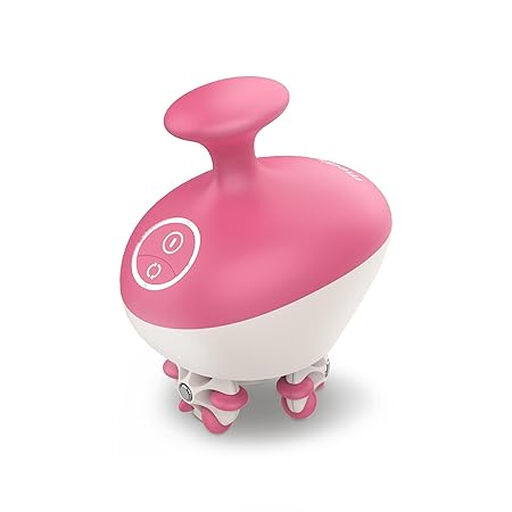
Why this model suits this profile: its lightweight design and cordless operation make it easy to establish a first routine for the legs, buttocks or arms, without a cable getting in the way during the session.
Two intensity levels and two rotation directions allow you to build up gradually, rather than relying on a single setting that may be unnecessarily powerful.
2,200 mAh lithium-ion battery, advertised runtime of up to 5 hours on level 1 and IPX4 splash resistance.
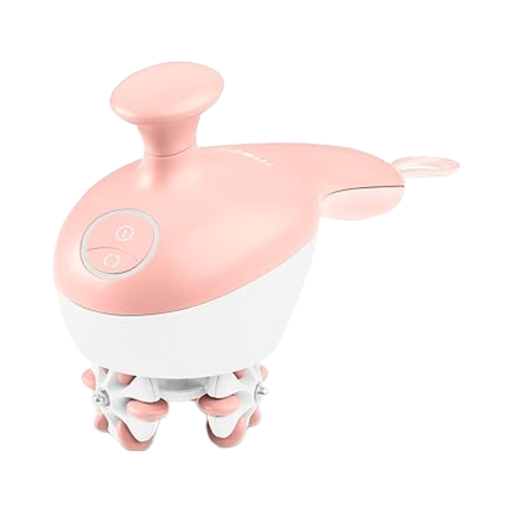
Why this model suits this profile: its three attachments let you alternate between multidirectional rollers and silicone brushes on the legs, hips, stomach or arms.
The range of attachments reduces the risk of buying a device limited to a single area or one that always delivers the same sensation.
Two intensity levels, two rotation directions, an advertised weight of approximately 0.38 kg and an IPX4 rating. The attachments are designed for different uses.
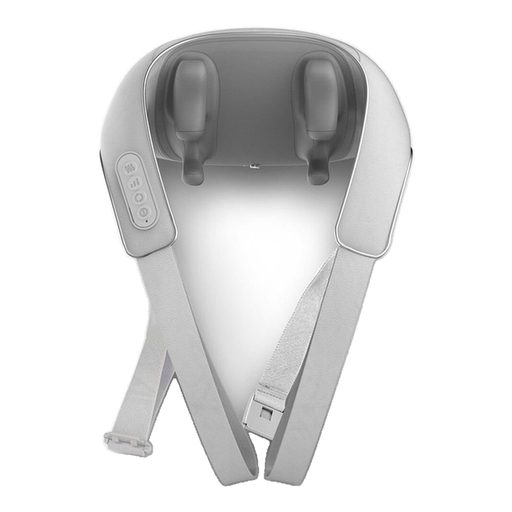
Why this model suits this profile: it is designed for those seeking a versatile device for the neck, shoulders, back, stomach, thighs and legs, rather than a model focused exclusively on cellulite.
Its design is not based on a targeted anti-cellulite promise, but on general massage use with clearly specified settings.
Three speed settings, two rotation directions, a heat function, a rechargeable battery and automatic shut-off after 15 minutes.
Begin with clean, dry skin unless the instructions explicitly authorise use around water splashes. Select the lowest setting and move the device slowly, without spending too long on the same area. A short, consistent session is easier to incorporate into your daily routine than an intense massage performed only occasionally.
On the legs, movements can follow the length of the limb or be circular, depending on the attachment being used. On the stomach and hips, reduce the pressure and observe any areas excluded by the instructions. Clean the removable attachments afterwards and allow them to dry completely.
An anti-cellulite massager is not a substitute for medical advice or professional care in cases of pain, unusual swelling or circulatory problems. Its main benefit lies in making a regular at-home massage routine simple and convenient.
We have brought together an up-to-date selection of products suited to different massage needs and at-home usage requirements.
The ideal duration depends on the model and your tolerance. Start with a few minutes on one area at the lowest setting, then follow the recommendations in the instructions. Avoid excessively long sessions intended to compensate for applying too much pressure, as they may increase the risk of irritation and bruising.
A device with an IPX4 rating is resistant to splashes but must not be submerged. Unless the manufacturer states otherwise, use it away from water, never recharge it in a damp environment and dry the attachments before putting them back in place.
Its lifespan depends on the battery, frequency of use, storage conditions and maintenance. Use the recommended cable or charger, avoid leaving the device damp and stop using it if it overheats, makes unusual noises or malfunctions. Advertised specifications, such as maximum battery life, apply under specific conditions and may change over time.