
Livraison le jour même ou le lendemain

Qualité garantie

Débloquez vos offres de bienvenue: Livraison GRATUITE | Jusqu'à -80 % | 30 jours d'essai gratuits à JoyPlus
Téléchargez l'application
Spots, blackheads, visible pores or excess sebum can make you want to pile on the anti-blemish products. Yet a routine that’s too harsh is more likely to cause tightness, redness and discomfort, especially if you have sensitive skin. To shop more wisely, it’s better to start by identifying your skin’s real needs rather than being swayed by marketing claims.
A rich lather or very dry skin after cleansing doesn’t necessarily mean your pores are free of impurities. A cleanser for oily skin should remove excess sebum and surface residue without leaving your skin feeling uncomfortable.
Formulas containing acids, essential oils or strong cleansing agents deserve extra attention if your skin is combination to oily but also reactive. Take the time to read the ingredient list and introduce the product gradually.
Combining a facial exfoliant, an acid toner, exfoliating pads and a BHA serum can quickly overload your routine. This build-up won’t necessarily be more effective against blackheads or visible pores.
To limit reactions, introduce one exfoliating product at a time, starting with one to two uses per week. During the day, remember to apply a suitable sunscreen: acids can make your skin more sensitive to the sun.
Skin prone to blemishes still needs water and comfort. Replacing your moisturiser with a drying treatment every time risks increasing discomfort and pushing you to add more products. A lightweight, non-comedogenic anti-blemish cream – when the manufacturer states it – can perfectly complement a purifying routine.
Start by identifying your main need:
This structure helps you build a clear anti-blemish skincare routine without layering ingredients with similar functions.
The percentage of an active ingredient gives a useful indication, but it isn’t enough to predict how your skin will react. The pH, the presence of soothing agents, fragrance and essential oils can also make a difference.
For example, SVR Sebiaclear foaming gel contains gluconolactone and salicylic acid. According to data provided by the brand, a self-assessment carried out on 21 volunteers showed that 90% of participants felt their pores were unclogged after 28 days of use twice a day. However, this is a self-assessment conducted on a small group, not a guaranteed result for every user.
If your skin is sensitive and prone to blemishes, check for the presence of fragrance, essential oils or denatured alcohol. Test the product on a small area before first use and stop if irritation persists.
Products containing acids should be introduced gradually. Avril spot treatment contains tea tree essential oil, and its product sheet states it is not recommended for pregnant women. Always follow the manufacturer’s labelling and precautions. If you have severe, painful or persistent acne, seek advice from a healthcare professional.
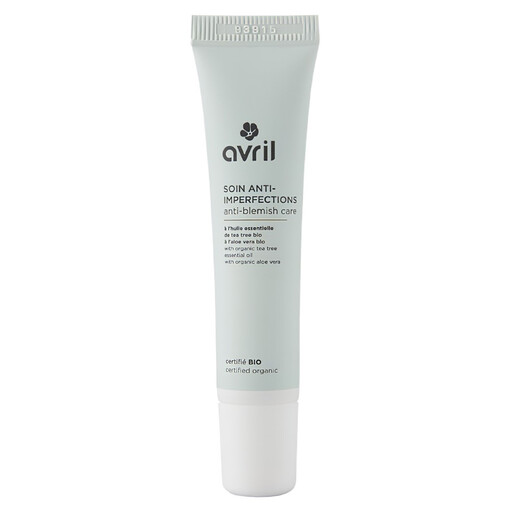
Why this choice suits this profile: Its 15 ml format is applied directly to spots, without requiring you to overhaul your entire routine. The formula is Cosmos Organic certified by Ecocert Greenlife and made in France.
Targeted application avoids using a drying treatment on areas that don’t need it. However, the presence of tea tree essential oil means a patch test is advisable.
99% naturally derived ingredients, 23% from organic farming, lightweight texture and vegan formula.
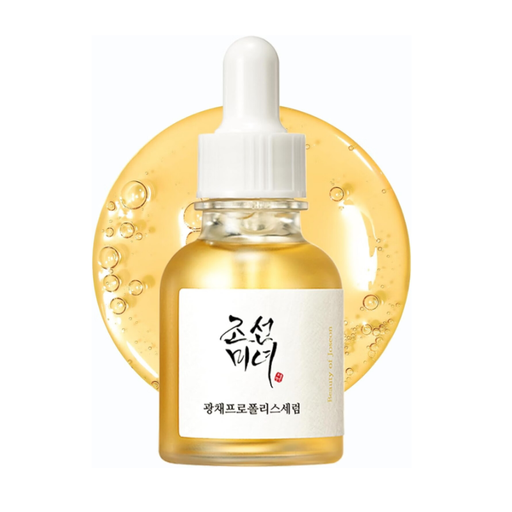
Why this choice suits this profile: This serum combines propolis, niacinamide and betaine salicylate in a pleasant texture, for those who want to both hydrate their skin and improve the appearance of pores.
It avoids layering serums by combining comfort, skin texture care and gentle exfoliation in a single product.
30 ml format, free from parabens and synthetic fragrance according to the product sheet, with niacinamide and betaine salicylate.
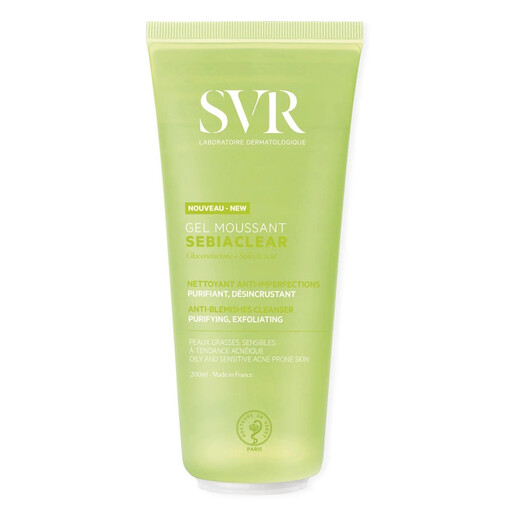
Why this choice suits this profile: Its 200 ml format lends itself to regular use on the face and body, particularly the back or chest when these areas are also affected by blemishes.
Its soap-free formula cleanses the skin without aiming for an extreme drying effect. If discomfort occurs, space out your uses.
10 ingredients listed, gluconolactone and salicylic acid, suitable for use on both face and body.
We’ve put together a comprehensive, real-time selection of products that meet these exacting criteria and comply with European safety regulations.
In the morning, gently cleanse your face, apply a lightweight serum if needed, then a moisturiser and sunscreen. In the evening, remove your make-up or sunscreen, cleanse your skin and choose one targeted treatment.
A green clay mask, such as the one from Cattier, can be used once or twice a week on combination to oily skin. However, avoid letting it dry completely if your skin feels tight. To fade post-acne marks, focus on consistency and comfort rather than piling on active ingredients.
Generally, start with gentle, regular cleansing. You can then gradually consider a product containing salicylic acid, without immediately combining it with several other exfoliants.
It depends on the formula. A gentle cleanser can be used daily, whereas an exfoliant or spot treatment containing active ingredients may need to be used less frequently. Follow the instructions and adjust usage based on your skin’s tolerance.
Refer to the symbol indicating the period after opening, as well as the date on the packaging. Store your products away from heat and humidity, close bottles carefully and don’t share products applied directly to the face.