
Livraison le jour même ou le lendemain

Qualité garantie

Débloquez vos offres de bienvenue: Livraison GRATUITE | Jusqu'à -80 % | 30 jours d'essai gratuits à JoyPlus
Téléchargez l'application
Spots, blackheads, enlarged pores and post-acne marks can quickly tempt you to pile on more products. But a lengthy routine isn’t necessarily more effective. When choosing anti-blemish skincare in France, it’s better to look at the ingredients, product type and directions for use than to rely on a simple promise on the packaging.
A cleanser that foams a lot or leaves your skin feeling very dry can give the impression that it has effectively removed excess sebum. But that feeling alone isn’t enough to judge the quality of the formula. Oily, combination or blemish-prone skin can also be sensitive and feel tight after cleansing.
It’s therefore worth checking the INCI list for surfactants, fragrance, denatured alcohol and certain cooling agents. Use an anti-acne face cleanser without scrubbing or washing your face too often.
Salicylic acid, AHAs, BHAs and PHAs are often found in serums, creams and lotions. However, using several exfoliating products at the same time can make redness, dryness or sensitivity to sunlight worse.
Start with just one product containing a targeted active ingredient, using it two to three times a week if your skin is easily irritated. Then gradually increase how often you use it, depending on how your skin tolerates it, and follow the manufacturer’s instructions.
Claims such as ‘in just a few days’ or ‘visible results fast’ generally refer to a protocol set by the brand. For example, a product page might draw on a consumer test or an instrumental measurement carried out on a specific number of participants. This isn’t a promise of results for every user.
For acne marks, enlarged pores or recurring blemishes, it’s better to assess how well your skin tolerates the product and how consistently you use it over several weeks. If your acne is severe, painful or persistent, it’s best to seek advice from a healthcare professional.
The presence of an active ingredient alone isn’t enough to predict the results. Texture, pH, other ingredients and how often you apply the product also play a part.
A cleanser is rinsed off and used to prepare your skin. An anti-blemish serum stays in contact with your skin for longer, so it should be chosen with greater care. An anti-spot cream or targeted treatment is better suited to a specific area, while a lightweight cream can be used as part of your overall routine.
If you have sensitive skin, check for fragrance, essential oils or alcohol. Claims such as ‘hypoallergenic’, ‘non-comedogenic’ or ‘dermatologically tested’ refer to a particular positioning or protocol used by the brand; they don’t rule out the risk of an individual reaction.
Test the product on a small area before applying it for the first time. Avoid the eye area and any areas where the skin is damaged. When using AHAs or BHAs, apply sun protection during the day and use the product less often if you experience tightness or redness.
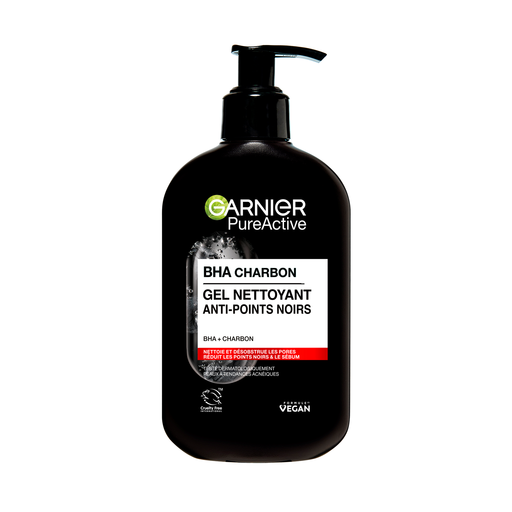
Why it suits this profile : A 250 ml cleansing gel that makes it easy to introduce salicylic acid and charcoal into your daily routine.
As it’s rinsed off, you can start with just one targeted product rather than layering several exfoliants.
A family-sized format with glycerin, niacinamide and salicylic acid in the ingredients list.
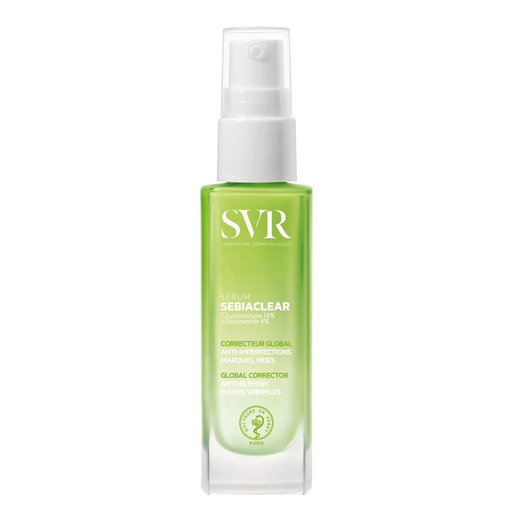
Why it suits this profile : This serum combines gluconolactone, niacinamide, salicylic acid and hyaluronic acid in a formula designed for the face and neck.
Its detailed ingredients list lets you check for several active ingredients rather than relying on a marketing claim.
A texture described as mattifying, a moisturising ingredient and a formula designed to target blemishes and uneven texture while supporting skin comfort.
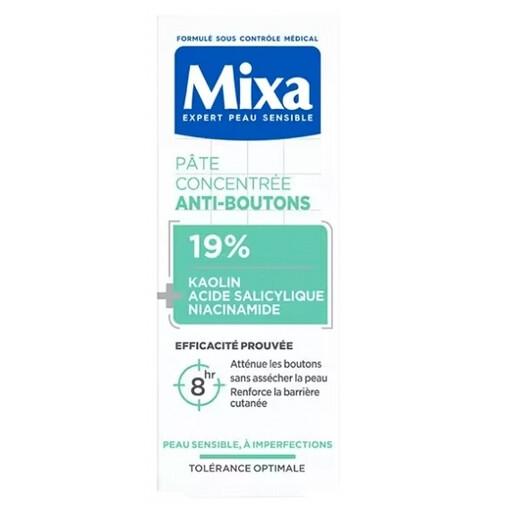
Why it suits this profile : A compact spot treatment for targeting occasional blemishes, without applying the product all over your face.
Its targeted application means you don’t have to use an exfoliant all over your face.
Kaolin, niacinamide and salicylic acid in a 15 ml tube designed for targeted use.
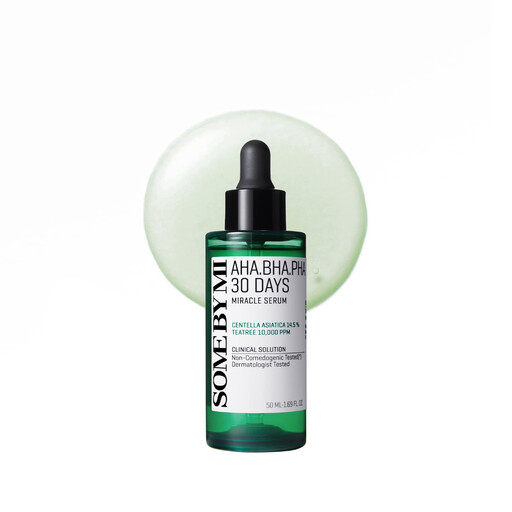
Why it suits this profile : Its biphasic formula and AHA, BHA, PHA and Centella asiatica actives work well in a gradual Korean skincare routine.
The instructions recommend shaking the bottle and wearing sun protection: two essential steps when using an exfoliating serum.
A 50 ml size with niacinamide and Centella asiatica extract; the product page states that it’s paraben-free.
We’ve put together a complete selection, updated in real time, of products that meet these exacting criteria and comply with European safety regulations.
Organic, vegan or Korean anti-acne skincare products cater to different preferences. A certification, country of origin or marketing claim is no substitute for checking the ingredients list and following the directions for use.
It depends on the product and how well your skin tolerates it. A rinse-off cleanser may be easier to work into your routine than a leave-on serum. Start gradually and space out applications if redness or tightness occurs.
Choose a gentle cleanser, lightweight moisturiser and just one targeted active ingredient. Avoid combining an exfoliating cleanser, an AHA-BHA-PHA serum and a spot treatment right from the start. Testing the product on a small area is still recommended.
Follow the date on the packaging and the period-after-opening symbol, if there is one. Close the bottle tightly and store it away from heat. Stop using the product if its smell, colour or texture changes.