
Livraison le jour même ou le lendemain

Qualité garantie

Débloquez vos offres de bienvenue: Livraison GRATUITE | Jusqu'à -80 % | 30 jours d'essai gratuits à JoyPlus
Téléchargez l'application
Dull complexion, small blemishes, stubborn marks or tight-feeling skin – it’s tempting to pile on the products. Yet choosing an anti-blemish and radiance face serum based solely on a promise printed on the bottle can lead to disappointment.
The smart approach is to match each formula to a specific need: hydration, pigmentation, excess oil, discomfort or visible signs of ageing. Here are the criteria to check before you buy, along with a selection of products available on Joybuy.
A brightening face serum can help even out your complexion with ingredients like niacinamide, vitamin C, tranexamic acid or alpha-arbutin. But ‘radiance’ doesn’t mean instantly altering your skin’s natural colour.
A formula that combines several targeted actives can also increase the risk of discomfort, especially if you’re already using exfoliants or retinol. Take the time to read the INCI list and introduce only one new product at a time.
A high concentration of niacinamide, vitamin C or exfoliating acids isn’t enough to tell you whether a product will suit you. The presence of alcohol, fragrance or essential oils can be a problem for reactive skin. Conversely, a simpler formula may fit more easily into a daily routine.
The results claimed should be taken for what they are: information provided by the brand, not a guarantee that works for every user. Needs vary depending on your skin, the season and the other products you’re using.
Combining a niacinamide serum, a vitamin C serum, an AHA-BHA exfoliant and a retinal treatment in the first week is more likely to increase dryness and redness. Start gradually, space out your applications and observe how your skin reacts. A radiance or hydrating face cream will help maintain comfort.
To choose a product for sensitive skin, check for the possible presence of fragrance, denatured alcohol or essential oils. A fragrance-free formula doesn’t rule out all risk of reaction, but it can reduce some factors of discomfort.
Products containing acids, vitamin C, alpha-arbutin or retinal should be paired with sun protection in the morning. Patch test on a small area before first use and stop using the product if irritation persists.
A lightweight serum often suits combination or oily skin, while a richer texture fits better into a routine for dry skin. Volume is also a practical consideration: a 100 ml bottle can be great for regular use, whereas a 30 ml size is easier to carry and lets you test the product without too much commitment.
Generally, apply a few drops after cleansing, then follow with a moisturiser. In the morning, finish with sun protection. Always follow the instructions on the packaging, as these may change with the formulation.
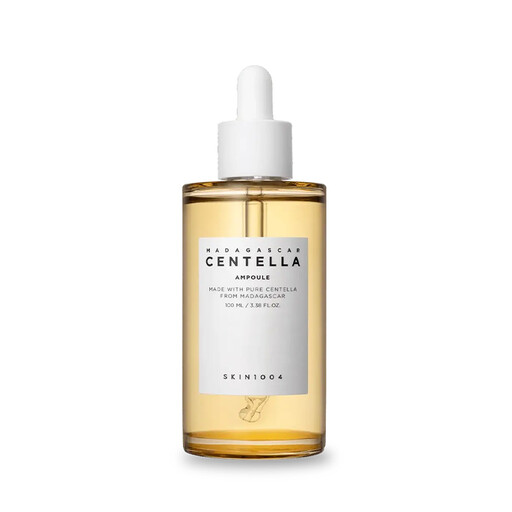
Why this choice suits this profile: Its 100 ml size and fluid texture make it easy to fit into a simple, daily, gradual routine.
Centella asiatica is at the top of the INCI list, along with glycerin, panthenol, niacinamide and hyaluronic acid. The formula doesn’t rely solely on a promise of radiance.
Centella asiatica, niacinamide, panthenol, ceramide NP and sodium hyaluronate in a 100 ml format.
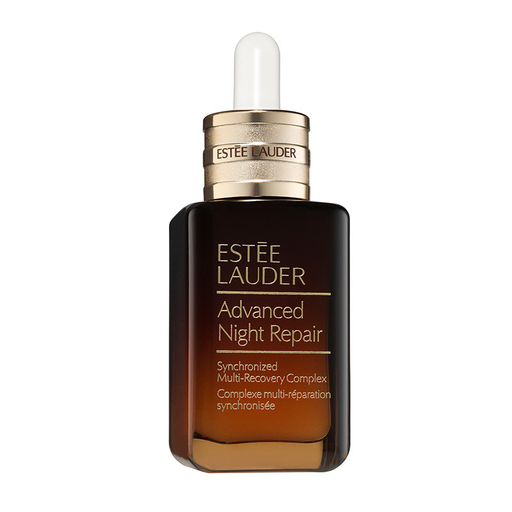
Why this choice suits this profile: It’s aimed at those looking for a versatile premium serum that’s both hydrating and targeted at visible signs of ageing.
The product page details the hydrating agents, including glycerin and sodium hyaluronate, while also noting the presence of fragrance – something to consider if your skin reacts easily.
50 ml, oil-free texture, squalane, caffeine, peptides and several plant extracts.
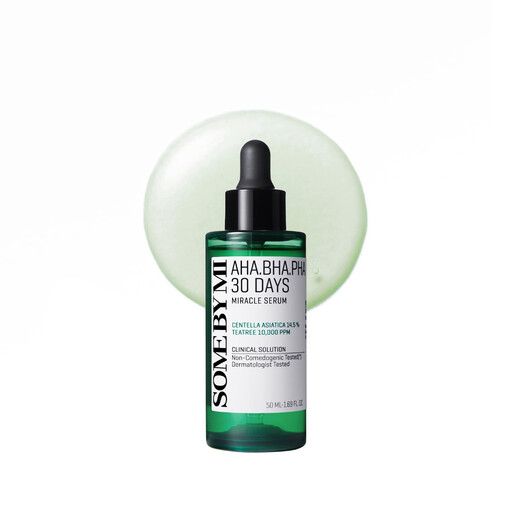
Why this choice suits this profile: It’s suitable for those wanting to target uneven texture and excess oil with an exfoliating formula.
The product page clearly states the presence of AHA, BHA and PHA, as well as the need for sun protection. However, be aware of the alcohol and fragrance allergens listed in the ingredients.
Combination of AHA, BHA and PHA, niacinamide, centella asiatica and 14.5% tea tree leaf water according to the product page.
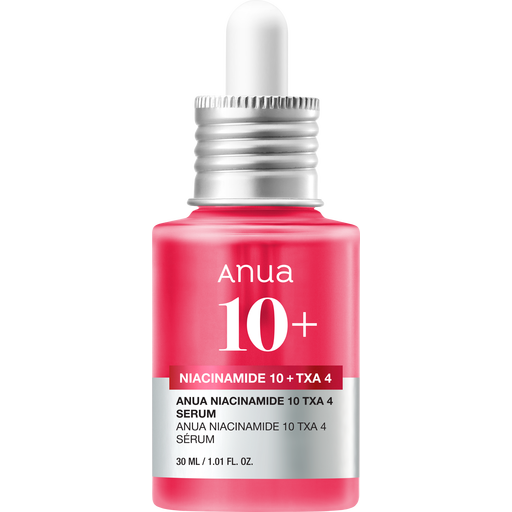
Why this choice suits this profile: It targets uneven skin tone with several actives dedicated to dark spots, combined with a hydrating base.
The stated concentrations are clear: 10% niacinamide and 4% tranexamic acid. Sun protection is still essential and a patch test is recommended.
Niacinamide, tranexamic acid, arbutin, hyaluronic acid, centella asiatica and ceramide NP.
We’ve put together a comprehensive, real-time updated list of products that fully meet these strict selection criteria and European safety regulations.
It depends on the active ingredients. A niacinamide serum or a hydrating formula is generally easier to incorporate into a daily routine. However, a product containing acids or several brightening actives should be introduced gradually. Follow the instructions, start with a few applications per week and use sun protection in the morning.
Refer to the best-before date or the symbol indicating the period after opening, usually found on the packaging. Close the bottle carefully and store it away from heat and light. If the smell, colour or texture changes, you should stop using the product.
Yes, as long as you go slowly. Avoid starting several active products at the same time. You can apply vitamin C in the morning, with sun protection, and save a retinal or acid treatment for the evening. Space out applications if your skin becomes uncomfortable.