
Livraison le jour même ou le lendemain

Qualité garantie

Débloquez vos offres de bienvenue: Livraison GRATUITE | Jusqu'à -80 % | 30 jours d'essai gratuits à JoyPlus
Téléchargez l'application
Birds can strip your strawberries, cherries, tomatoes, seedlings and soft fruit in just a few hours. An anti-bird net for the garden creates a discreet physical barrier, without the need for sprays or noise devices. The trick is choosing the right model for your crops and the area you need to protect.
Before you buy, three common mistakes keep cropping up:
Here are the key factors to consider when choosing a bird protection net for your garden, vegetable patch or smallholding in the UK.
Measure the width, length and height of your growing area. For a shrub, allow enough extra so the net doesn’t rest directly on the branches and fruit. For a fruit tree, a frame of hoops or stakes makes installation easier and stops foliage pressing against the mesh.
Several sizes suit different needs:
A net can usually be cut to fit the shape of the area you’re protecting. However, check that the material doesn’t fray after cutting.
The 10 × 10 mm mesh is commonly used to keep birds away from crops while still letting air, light and rainwater through. Some rolls have a 10 × 12 mm mesh. This difference can matter depending on the bird species in your area and the type of crop you’re growing.
An open horticultural net shouldn’t block watering or create a stuffy atmosphere around your plants. It works well for salads, strawberries, tomatoes, seedlings, soft-fruit bushes and moderate-sized fruit trees. For insect control, choose a dedicated fleece or mesh instead: an anti-bird net doesn’t do the same job.
UV-stabilised polypropylene is lightweight, easy to handle and suited to outdoor use. The UV treatment helps the net keep its properties when exposed to regular sunlight, though it won’t guarantee the same lifespan in every garden.
A reusable anti-bird net should be cleaned after harvest, dried, then stored away from moisture and direct light. Before each new installation, check for tears or weakened areas. A green net generally blends into the foliage more easily than a high-contrast one.
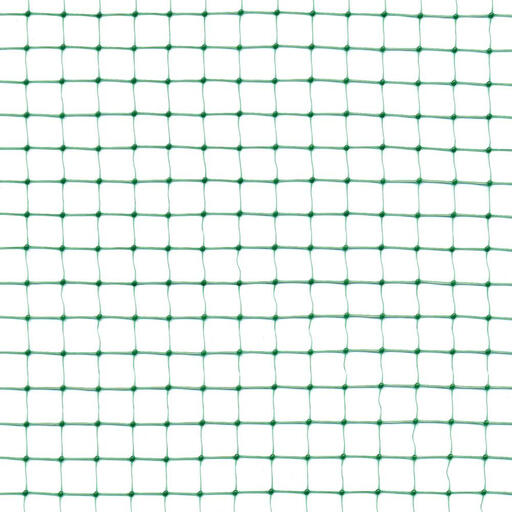
Why this choice suits this profile: At 2 × 5 m, this net covers a small area, a family veg patch or a few strawberry plants, without forcing you to buy a roll that’s far too big.
Its compact size reduces waste and makes it easier to work out the area you need to cover. The 10 × 10 mm mesh and the option to cut the net make it simple to adapt.
UV-stabilised polypropylene, green netting, good airflow and water and light penetration, with the possibility of reuse after cleaning and drying.
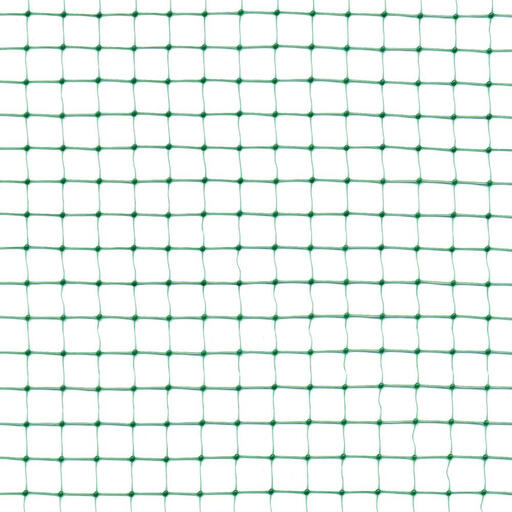
Why this choice suits this profile: With 40 m² of coverage, this net can protect a large growing area, several shrubs or a dedicated soft-fruit structure.
Its 5 m width reduces the need to join several pieces together, which often create weak spots and entry points for birds.
10 × 10 mm mesh, lightweight structure, cuts without fraying according to the product sheet, and good permeability to air, water and light.
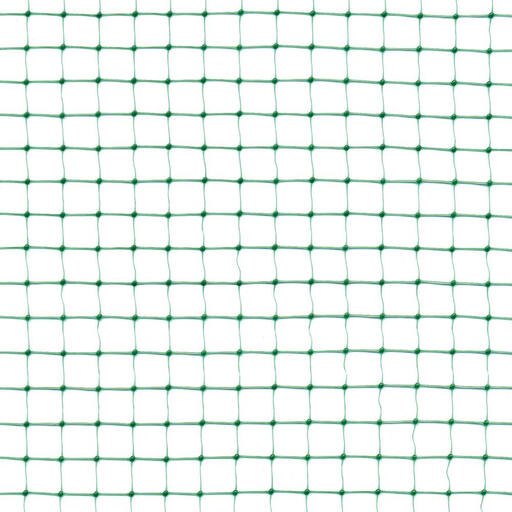
Why this choice suits this profile: This 500 m roll is aimed at market gardeners, smallholders and anyone who regularly protects several rows of crops.
The roll minimises the number of joins along long rows. You will, however, need supports, fixings and suitable storage space between seasons.
UV-treated polypropylene, square mesh, allows water, air and light through, and can be installed over a frame or directly over crops.
We’ve put together a full, real-time list of products that meet these strict selection criteria and comply with European safety regulations.
For an effective installation, place the net over a frame or above your plants, leaving a gap between the mesh and the foliage. Keep it pulled tight, then secure the edges to the ground with pegs, suitable fasteners or anything else that’s stable enough. There should be no gaps left underneath the protection.
A few precautions are essential:
The net must never be used to trap animals or to bear any weight. Regular inspection also helps you spot a tear or an animal caught in the mesh quickly.
The 10 × 10 mm mesh works for many uses, especially protecting seedlings, vegetables and soft fruit from birds. The choice does depend on the bird species in your area, the crop and the quality of the installation. Make sure the net covers the whole area and that the edges are firmly anchored.
For a fruit tree, it’s best to install a frame or stakes to keep the net away from the branches. Unfold it without letting it drag on the ground, then carefully secure the entire perimeter. For a large tree, measure the height and width of the canopy before choosing a roll that’s wide enough.
Its lifespan depends on exposure to sunlight, wind, friction, storage conditions and the tension applied during installation. A UV-stabilised polypropylene net can be reused for as long as its condition allows. Clean it, let it dry and inspect every mesh before putting it back in place.