
Livraison le jour même ou le lendemain

Qualité garantie

Débloquez vos offres de bienvenue: Livraison GRATUITE | Jusqu'à -80 % | 30 jours d'essai gratuits à JoyPlus
Téléchargez l'application
Anti-ageing skincare for the face holds a prime spot on beauty shelves. Yet marketing promises don’t always make choosing easier. A cream labelled ‘youth’ or ‘lifting effect’ won’t necessarily suit your skin, your habits or your budget.
Three common pitfalls keep cropping up:
To buy without making a mistake, it’s better to examine the ingredients, texture, format and usage precautions rather than relying on a promise printed on the jar.
Choosing an anti-ageing serum or an anti-wrinkle cream should first depend on the result you’re after.
The INCI list remains essential. Two products with similar commercial names can have very different textures, fragrances or allergenic components.
Dry skin generally appreciates a rich anti-ageing moisturiser, formulated with oils, shea butter or emollient agents. Normal to combination skin often prefers a lightweight texture that absorbs quickly without leaving a greasy film.
For products aimed at mature skin, texture matters just as much as active ingredients. A nourishing cream can be pleasant in the evening, while a fluid serum slips more easily under a day cream or sun protection.
Sensitive skin should check for fragrance, denatured alcohol and fragrant allergens. Before the first application, test the product on a small area of skin.
A firming face product or a hydrating face product is applied to clean skin, avoiding vigorous rubbing. For a retinol product, start by spacing out applications if your skin isn’t used to it. Avoid the eye area unless the product is specifically designed for that zone.
How long a product lasts depends on the format and frequency of use. A 30 ml serum may run out faster than a 50 ml cream if you use several drops morning and evening. Also remember to check the expiry date, batch number and storage conditions indicated on the packaging.
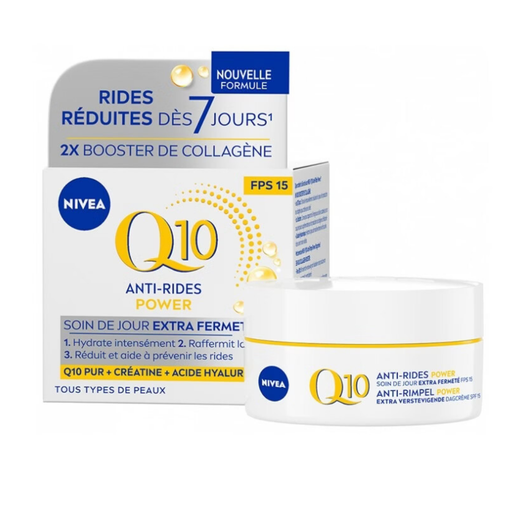
Why this choice suits this profile: An easy-to-introduce anti-ageing day cream with Q10, hyaluronic acid and SPF15 according to the product listing.
It combines hydration and daily protection, rather than relying on a vague anti-wrinkle promise. The SPF15 does not replace adequate protection during high exposure, however.
50 ml format, morning application, Q10 and sodium hyaluronate listed in the ingredients.
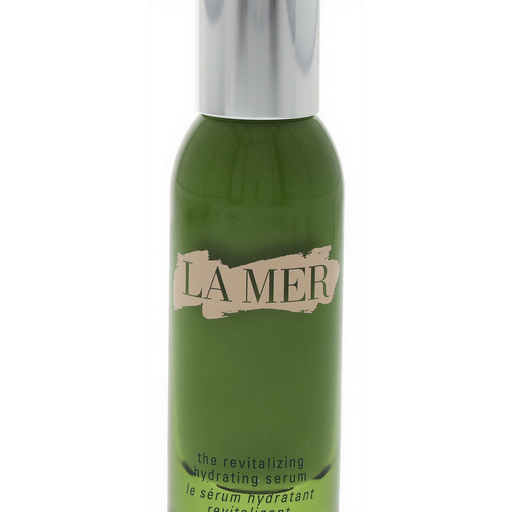
Why this choice suits this profile: Its lightweight gel texture and fast absorption can suit a premium routine focused mainly on hydration.
The listing details the texture and ingredients. This allows you to compare the product concretely, rather than relying solely on its premium positioning.
30 ml serum, gel texture and a formula presented as hydrating, with algae extracts.
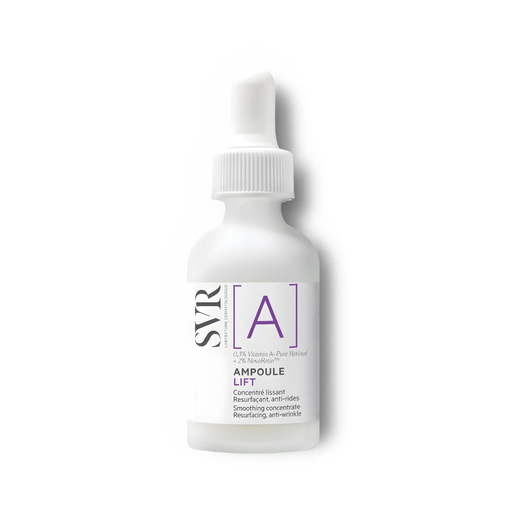
Why this choice suits this profile: This serum is for those who want to introduce 0.3% pure retinol into a structured routine, with niacinamide and ceramides.
The retinol dosage is clearly stated, unlike some formulas that remain vague. However, its use requires following the precautions, particularly applying sun protection during the day.
Fragrance-free formula, silky non-sticky finish, 30 ml format and ceramides in the composition.
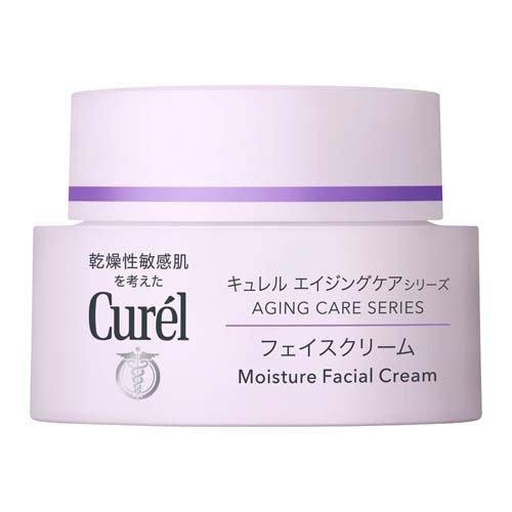
Why this choice suits this profile: Its rich texture suits those looking for a hydrating face product, suitable for dry and sensitive skin, especially in the evening.
The formula mentions allantoin, glycerin and a ceramide-associated complex. It doesn’t present itself as a universal product: the listing targets it at dry and sensitive skin.
Thick texture, 40 g format and detailed precautions for reactive skin.
We’ve put together a comprehensive, real-time updated selection of products that meet these strict criteria as well as European safety regulations.
An effective routine doesn’t need to drag on. It can stay short and consistent:
Introduce only one new active ingredient at a time. This way, you can more easily identify the cause of any redness or stinging sensation.
Start with a hydrating product that has a clear ingredient list, for example a cream containing glycerin, hyaluronic acid or Q10. Retinol can be added later, gradually, provided you accept the usage precautions.
Consistency matters more than occasional application. Use the product according to its instructions and monitor your skin’s tolerance over several weeks. Results claimed by a brand should be seen as their own assertions, not a guarantee that works for everyone.
Yes. A moisturiser can accompany a retinol serum to improve skin comfort. At the start, however, avoid layering several potentially irritating active ingredients and apply sun protection during the day. If a reaction persists, stop using the product and seek advice from a healthcare professional.