
当日/次日达

品质保障

开启新人专享福利: 全场免邮 | 低至 2 折 | 免费试用 30 天 JoyPlus 会员
下载 Joybuy
A firm mattress may suit people who prefer a less enveloping surface, sleep on their back or front, or want more pronounced support. But a higher firmness level does not automatically mean greater comfort. A mattress that’s too hard can create pressure points, while one that’s too soft may feel as though it’s sagging.
Before you order, three common pitfalls are worth avoiding: relying solely on the word ‘orthopaedic’, assuming H3 means the same thing across all brands, and forgetting to check the exact dimensions of your bed base. Here are the criteria to consider when comparing different models.
How firm a mattress feels depends on your weight and sleeping position, as well as the width of your shoulders and hips. If you sleep on your side, you’ll often appreciate a slightly softer feel that can absorb some of the pressure on your shoulder and hip. By contrast, back and front sleepers may prefer more even support.
The term orthopaedic mattress generally refers to a design focused on support. However, it is not a medical recommendation in itself, nor does it replace advice from a healthcare professional if you have persistent pain.
H3 generally indicates a medium-firm to firm mattress. However, manufacturers don’t all use the same criteria to classify firmness. Mattress thickness, foam density, the number of springs and the comfort layer can all make a noticeable difference to how a mattress feels.
When comparing two H3 mattresses, also look at:
A 90 x 190 cm mattress won’t fit a 90 x 200 cm bed base. For two people, the 140 x 190 cm, 140 x 200 cm and 160 x 200 cm sizes are designed for different set-ups. Measure the length and width of your bed base, as well as the space available around the bed, before ordering.
Remember to check the overall height too, particularly if your bed has raised edges, a headboard or a slatted base. A mattress that’s 22 to 30 cm thick can noticeably change how high you sit and stand up from.
A memory foam mattress contours more closely to your body. Its enveloping feel isn’t for everyone, and it may feel warmer than other types of mattress. If you tend to sweat at night, choose a removable cover and a design that encourages airflow.
A pocket sprung mattress uses springs that move independently of one another. This structure generally limits the transfer of movement from one side of the bed to the other and helps air circulate inside the mattress. Hybrid models most often combine springs and foam to offer both support and a cushioned feel.
A 7-zone mattress distributes support across different parts of the body, such as the shoulders, waist, hips and legs. This design doesn’t guarantee that a mattress will suit every body type, but it gives you a useful point of comparison alongside your sleeping position and height.
A breathable mattress may feature a ventilated cover, open-cell foam, 3D bands or a spring core. These features help air circulate, but they won’t eliminate heat or moisture completely. Use a washable mattress protector and air your bedroom regularly.
It’s also worth checking what reversible means. Some models can be used on both sides, sometimes with a different comfort level on each. Others have just one sleeping surface and simply need to be rotated from head to toe.
A rolled, compressed mattress is easier to carry up a narrow staircase or into a flat. Once you’ve opened the box, follow the manufacturer’s recommended expansion time. Depending on the model, this can range from around 30 minutes to 72 hours. Don’t make a final judgement about comfort until the mattress has regained its normal shape and thickness.
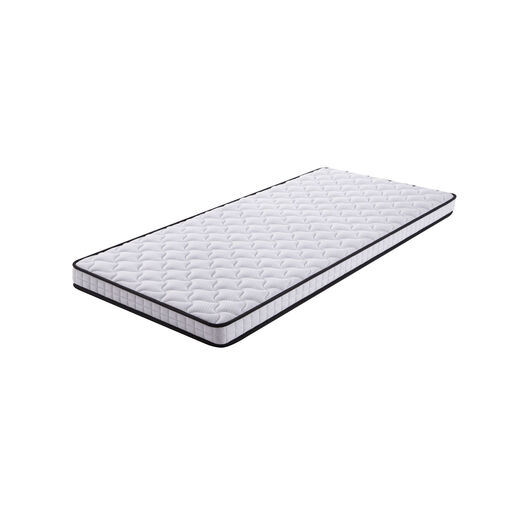
Why it suits this type of sleeper : Its single size and 10 cm thickness make it a good fit for a single bedroom, a spare bed or a compatible sofa bed.
The H3 firmness, stated size and rolled delivery are clearly specified, making it easier to compare before buying.
Spring core, stated weight of 12.9 kg and no assembly required.
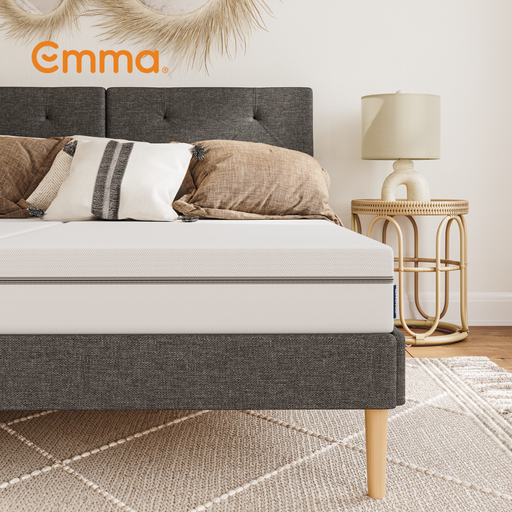
Why it suits this type of sleeper : Its 160 x 200 cm size suits a couple with a large bed base who are looking for a firm foam surface.
The product details list 7 comfort zones, a temperature-regulating cover and an expansion time of 24 to 72 hours.
Multi-layer foam, 7 support zones and a cover designed to help regulate temperature.
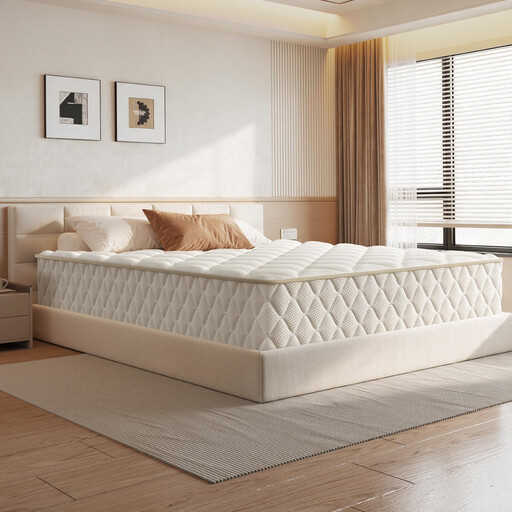
Why it suits this type of sleeper : Its double size, hybrid construction and ventilated design may suit couples looking for a mattress for everyday use.
The product details specify the 7 zones, H3 firmness, stated weight limit and the 72-hour wait after unpacking.
Springs, four layers of foam, breathable fabric and an extra cover included, according to the product details.
Choose a firm model with a comfort layer that helps reduce pressure on your shoulder and hip. A 7-zone mattress or a hybrid model may offer more gradual support than a very rigid surface. Check the returns policy too, in case the mattress doesn’t feel right for you.
Follow the manufacturer’s instructions. Some models regain their shape in 30 minutes, while thicker mattresses or those with springs may take 48 to 72 hours. Leave it flat in a well-ventilated room and don’t cover it straight away with thick bedding.
It depends on the density and type of materials, the weight it supports, ventilation and care. Rotate the mattress if the manufacturer allows it, use a washable mattress protector and regularly check for signs of sagging. If the model is reversible, alternating the sides as instructed can help distribute wear more evenly.