
当日/次日达

品质保障

开启新人专享福利: 全场免邮 | 低至 2 折 | 免费试用 30 天 JoyPlus 会员
下载 Joybuy
Visible wrinkles, less supple skin, a dull complexion or tightness after cleansing: choosing an anti-ageing face cream is not simply a matter of trusting the promise displayed on the pot. The texture, active ingredients, sun protection and time of application all play a much more practical role in your daily routine.
Certain mistakes can also lead you to spend more than necessary:
If your skin lacks moisture, look in particular for glycerine, sodium hyaluronate and different forms of hyaluronic acid. These ingredients help provide a comfortable feel and a more supple appearance. A hyaluronic acid cream can therefore suit dry or dehydrated skin, as well as fine lines associated with a lack of hydration.
To restore a firmer-feeling complexion, some formulas rely on a combination of peptides, niacinamide, squalane and emollient agents. A firming face cream should primarily be assessed by its ingredients and consistent use, rather than the promise of an instant transformation.
Retinol requires particular care. A retinol cream may be worth considering if you are already accustomed to active ingredients targeting the appearance of fine lines, but it can also cause irritation on sensitive skin. Start gradually, follow the manufacturer's recommendations and patch test on a small area. If you are pregnant, breastfeeding or undergoing dermatological treatment, seek advice from a healthcare professional.
The presence of collagen in a collagen cream does not automatically mean that the product acts on the skin’s structure like a treatment. In cosmetics, collagen contributes in particular to the texture and hydration of the skin’s surface. Take the time to read the formula as a whole.
UVA rays contribute to premature skin ageing, while UVB rays are mainly responsible for sunburn. An SPF 50 anti-ageing cream can simplify your morning routine, particularly if you are exposed regularly. With a product displaying SPF15, such as the NIVEA day cream featured below, protection is more limited: it should not be considered equivalent to SPF50 during prolonged exposure.
Apply the product to your face and neck. Remember to reapply sun protection according to the length of exposure, sweating and friction. Avoid the immediate eye area if recommended by the product.
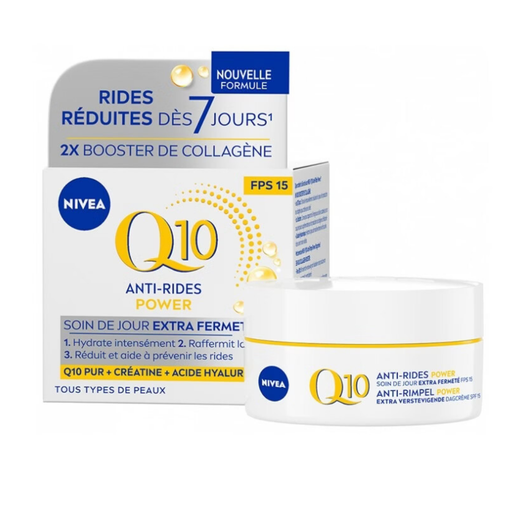
Why this choice suits this profile : An easy-to-use morning treatment containing Q10, creatine, glycerine and sodium hyaluronate, in a 50 ml format.
The SPF15 rating is clearly stated, so you can distinguish it from higher protection instead of assuming that it replaces SPF50.
One application every morning, Q10, creatine and hyaluronic acid, plus a texture designed for all skin types according to the product information.
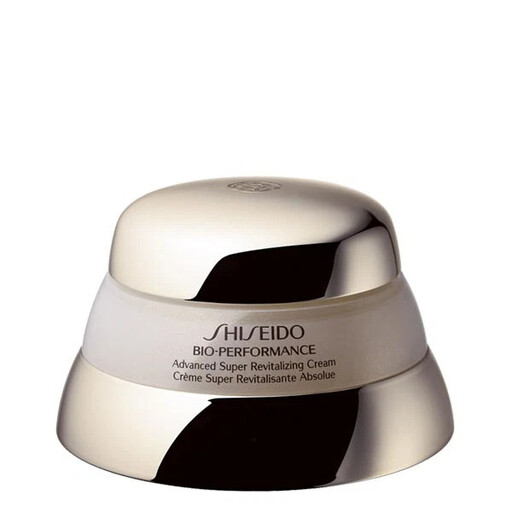
Why this choice suits this profile : Its texture, described as rich yet lightweight, is aimed at those looking for a premium morning and evening ritual without an especially greasy finish.
The product information specifies the format, application method and INCI list, allowing you to check for fragrance and moisturising agents before placing your order.
Morning and evening application, glycerine and sodium hyaluronate, plus a texture advertised as being quickly absorbed.
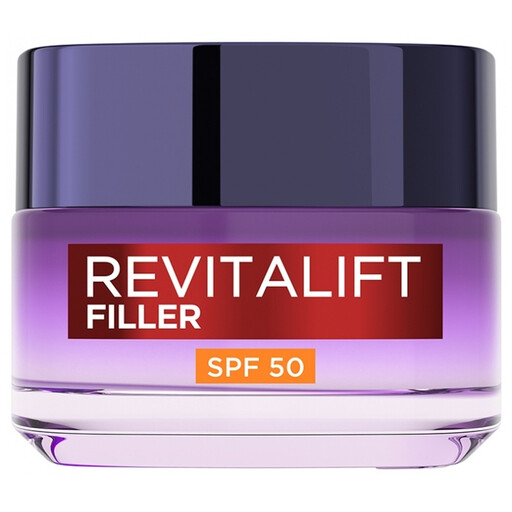
Why this choice suits this profile : A morning treatment for anyone who wants to combine a plumping effect and SPF50 protection in a single step.
The SPF50 rating is stated on the product, making it impossible to confuse a moisturising day cream with a product offering high protection.
Three advertised forms of hyaluronic acid, hydration lasting up to 48 hours according to the brand, and a lightweight formula.
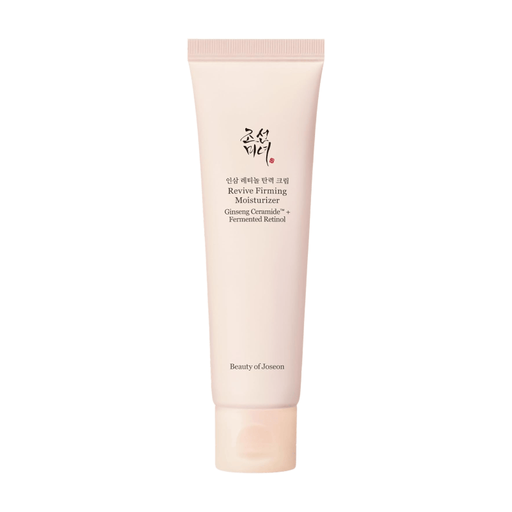
Why this choice suits this profile : This Korean cream combines retinol, ginseng, ceramides, squalane and hyaluronic acid for a more targeted routine.
The presence of retinol is clearly stated, so introduce it gradually, patch test and use sun protection in the morning.
A 60 ml format, NP ceramide, squalane, sodium hyaluronate and a texture described as lightweight while remaining nourishing.
We have put together a complete, real-time updated selection of products meeting these demanding selection criteria and European safety standards.
Yes, provided the instructions recommend it and the texture suits your skin. An anti-ageing day cream may contain a sun filter, while an anti-ageing night cream is generally more nourishing. Retinol products should be introduced carefully, in line with the manufacturer's recommendations.
Follow the date shown on the packaging, as well as the open-jar symbol where present. Close the container after each use and store it away from heat and direct sunlight. If the smell, colour or texture changes, it is best to stop using it.
No. Protection depends on the amount applied, how regularly it is reapplied and the level of exposure. An SPF50 anti-ageing cream is a practical solution in the morning, but it must be reapplied during prolonged exposure, after sweating or in the event of rubbing.