
当日/次日达

品质保障

开启新人专享福利: 全场免邮 | 低至 2 折 | 免费试用 30 天 JoyPlus 会员
下载 Joybuy
Anti-ageing face care covers a wide range of products: anti-wrinkle cream, anti-ageing serum, firming cream, eye contour treatments and even massage devices. But a high price tag, a promise of instant results or a hero ingredient splashed across the packaging isn’t enough to make a wise choice.
To avoid unnecessary purchases, it’s better to examine the ingredients, how to use the product and whether it suits your skin. Here are the key criteria to check before putting together an anti-ageing routine suitable for adults, both women and men, in the UK.
After applying a cream, your skin may look smoother thanks to hydrating agents, silicones or a texture that reflects light. This cosmetic effect is pleasant, but it doesn’t mean wrinkles have been permanently reduced.
A hydrating face care product containing glycerin or hyaluronic acid can improve the appearance of fine lines caused by dehydration. However, you need to distinguish this surface effect from the results a brand claims after several weeks. Clinical claims correspond to the protocol announced by the manufacturer; they don’t guarantee the same result for every user.
Retinol anti-wrinkle products are popular in routines designed to improve skin texture and visible signs of ageing. However, they can cause redness, tightness or irritation, especially if used too often from the start. A retinol serum should be introduced gradually, on clean, dry skin, following the instructions on the product.
A fragranced formula or one containing denatured alcohol won’t necessarily suit reactive skin. Reading the INCI list is therefore essential, even when a product is marketed as suitable for all skin types.
An anti-ageing day cream with UV filters can have a place in your morning routine. However, its SPF doesn’t always replace a dedicated sunscreen if you’re spending extended time outdoors. Products containing retinol generally recommend applying sun protection during the day. In strong sunlight, it’s better to use a dedicated sunscreen and reapply as directed on the packaging.
A 30 ml serum is typically used in a few drops, while a 50 ml cream fits easily into a daily routine. Single-dose capsules limit repeated contact with air and make dosing easier, but their cost per use may be different.
For an anti-wrinkle eye contour product, check whether it comes with an applicator, the total amount of product and the usage recommendations: morning, evening or a few times a week. A lightweight texture will sit well under make-up, while a richer formula is often better suited to an evening routine.
Before buying, look on the packaging for: the ingredient list, the batch number, the period after opening (PAO) and the contact details of the responsible party established in the European Union. If you have sensitive skin, do a patch test on a small area. Avoid contact with the eyes and stop using the product if redness, itching or persistent discomfort occurs.
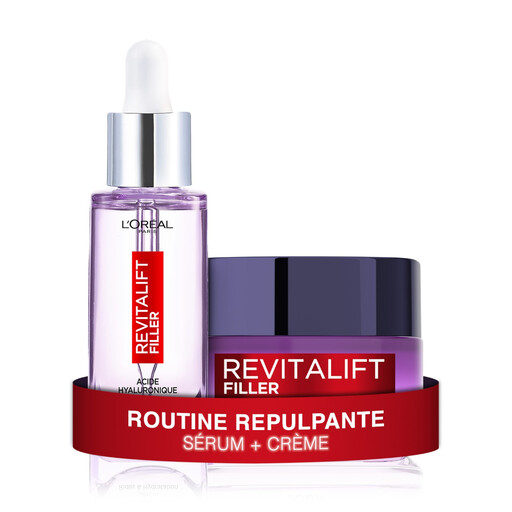
Why this choice suits this profile: this set combines a 30 ml serum and a 50 ml day cream. A simple way to start with a structured routine without stockpiling products.
The duo prevents you from randomly combining several hydrating ingredients. The serum states 1.5% pure hyaluronic acid; however, always check the up-to-date ingredients list on the packaging itself.
Two complementary formats with clearly indicated morning use. The presence of fragrance and denatured alcohol should be noted by those with reactive skin.
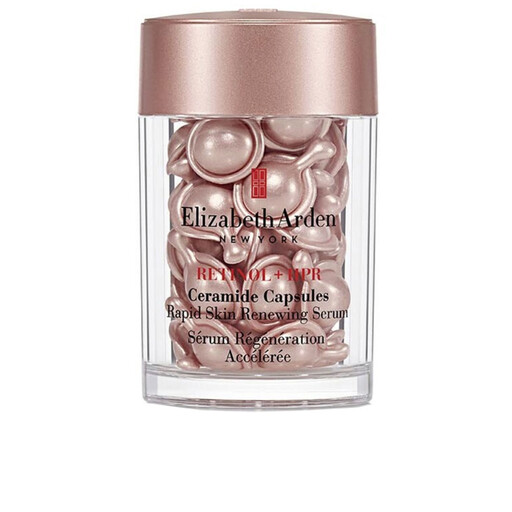
Why this choice suits this profile: the single-dose capsules are designed for those who want a precise evening ritual with a pre-measured amount.
The format limits dosing errors and protects each portion. Retinol must still be introduced gradually, with sun protection during the day.
The formula combines retinol, HPR, ceramide NP, shea butter and bisabolol. Avoid the immediate eye area and stop using the product if irritation occurs.
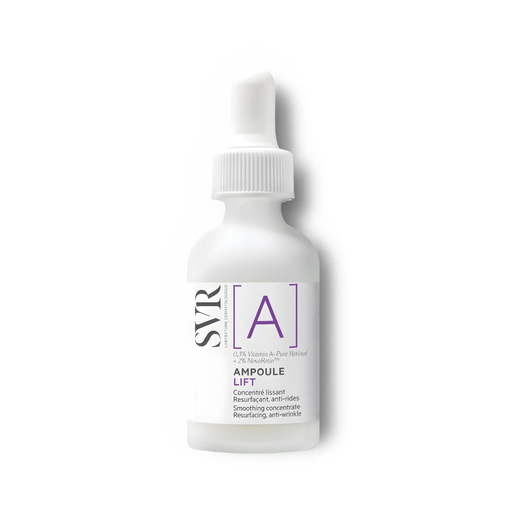
Why this choice suits this profile: fragrance-free, this serum is suitable for those who want to incorporate a targeted active ingredient into a regular, controlled routine.
The stated concentration of 0.3% pure retinol is clearly indicated. Useful information for making an informed choice, rather than relying on a simple promise of speed.
A fragrance-free formula enriched with niacinamide and ceramides. Apply sun protection during the day and space out applications if your skin reacts.
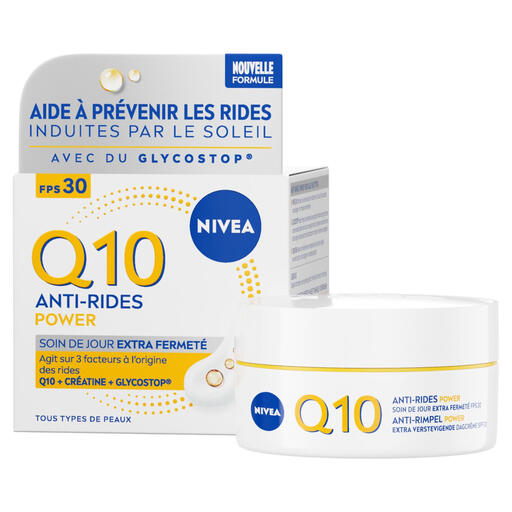
Why this choice suits this profile: an all-in-one day cream can suit those who want to keep their routine simple, while still enjoying daily hydration and a stated SPF on the product.
The SPF30 rating is clearly displayed, unlike products that merely mention protection against environmental aggressors without specifying their level of protection.
The ingredients list includes Q10, creatine, glycerin and sodium hyaluronate. Those with sensitive skin should note the presence of fragrance.
There’s no universal age. A routine can begin as soon as the first visible signs appear, starting with gentle cleansing, hydration and sun protection. More targeted ingredients, such as retinol, should be introduced based on your skin’s tolerance.
Consistency matters more than constantly switching products. A hydrating product can quickly improve comfort and the appearance of fine lines caused by dehydration. For claims about wrinkles or firmness, refer to the duration of use indicated by the brand and monitor your skin’s reaction.
These two ingredients can be part of the same routine, but it’s best to introduce them separately. Hyaluronic acid generally fits into the hydrating step, while retinol is better used in the evening. If your skin is sensitive, reduce the frequency of application and consult a healthcare professional if irritation persists.