
Livraison le jour même ou le lendemain

Qualité garantie

Débloquez vos offres de bienvenue: Livraison GRATUITE | Jusqu'à -80 % | 30 jours d'essai gratuits à JoyPlus
Téléchargez l'application
The eye contour area is particularly delicate, often put under strain by makeup removal, screens, lack of sleep and temperature changes. Yet not all products marketed as anti-wrinkle eye treatments target the same concerns. A cream may primarily hydrate, a serum might focus more on fine lines, while hydrogel eye patches are better suited as an occasional treatment.
Before buying an anti-ageing eye contour cream, it’s wise to separate marketing promises from genuinely verifiable criteria.
A fresh or slightly pearlescent texture can brighten the eye area as soon as you apply it. That doesn’t mean wrinkles, dark circles or puffiness will be reduced over the long term. To properly assess a product, look at:
Retinol and retinal are often sought after in a retinol eye cream or anti-ageing serum, but some skin types don’t tolerate them well. A fragranced formula containing essential oils or numerous plant extracts can also irritate a reactive eye contour.
Start by testing the product on a small area, then gradually increase the frequency of use, preferably in the evening. Avoid any direct contact with the eye and stop using it immediately if you experience redness, itching or persistent irritation.
A 15 ml pot, a 30 ml pump bottle and single-use patches don’t have the same cost per application. A rich cream applied morning and evening may feel lovely on dry skin, but too heavy under makeup. Conversely, a lightweight eye serum may need a cream layered on top, especially in winter.
Results depend on the formula as a whole, how regularly you use it, and the nature of your dark circles. Pigmentary dark circles, shadow caused by volume loss, and puffiness don’t necessarily respond to the same type of treatment.
A hydrating eye cream in a pump bottle limits repeated contact with the product. A tube makes it easy to dispense a small amount, while a pot requires more care when it comes to hygiene. Patches must be properly resealed to stop the gel from drying out.
Also check the net volume, the period after opening if stated on the packaging, and the INCI list of the product you receive. Formulations can change, so the label is what counts.
A cosmetic product sold in France must meet European labelling requirements. It must include an ingredients list and the contact details of the responsible person established in the European Union. This compliance doesn’t guarantee the formula will suit all skin types, however.
For a sensitive eye contour, choose a formula whose ingredients you know. Pay particular attention to fragrance, fragrance allergens and potentially irritating actives. The product should be for external use only, without getting into the eye.
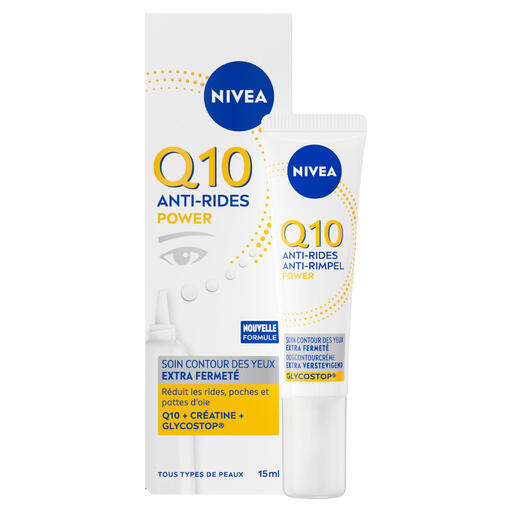
Why this choice suits this profile: Its creamy texture and 15 ml format make it easy to start a simple daily anti-ageing routine, morning and evening as recommended.
The listing specifies the key actives, volume and usage precautions: you can compare cost and composition without relying solely on a visual promise.
The formula mentions coenzyme Q10, creatine, glycerin and sodium hyaluronate.
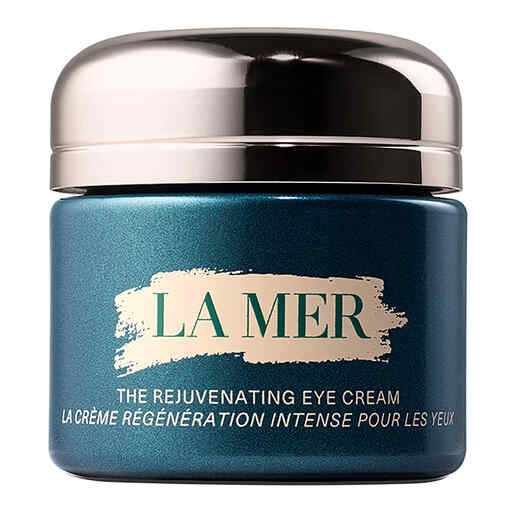
Why this choice suits this profile: Its silky texture and morning and evening application fit into a premium routine focused on comfort.
The 15 ml volume and INCI list are clearly visible: they let you distinguish the sensory experience from what the product actually offers.
The formula contains sodium hyaluronate, glycerin and several peptides; it is described as rich yet lightweight.
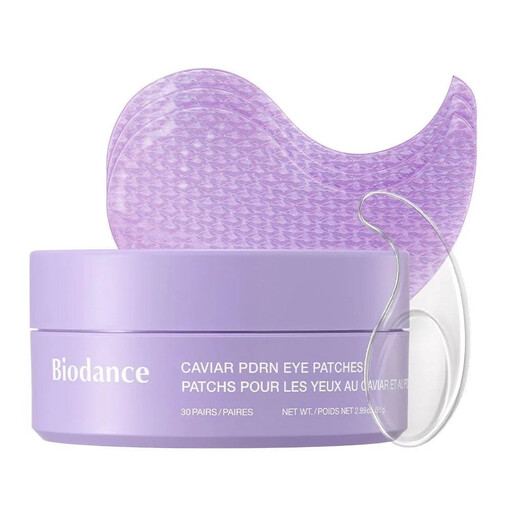
Why this choice suits this profile: The 60 patches, left on for 15 to 20 minutes, work well for both a regular ritual and use before a special occasion.
The number of patches and the application time are specified: you can calculate the number of uses instead of relying only on the pot’s weight.
The hydrogel texture is designed to adhere to curved areas; caffeine, niacinamide and sodium DNA are listed in the composition.
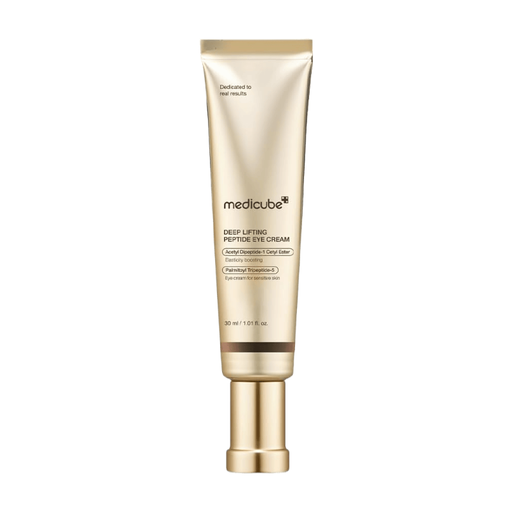
Why this choice suits this profile: Its 30 ml format and combination of hydrating agents suit those looking for a more nourishing daily treatment.
The listing details the actives and warnings, making it easy to check before use, especially for sensitive skin.
The formula lists eight types of peptides, hyaluronic acid, niacinamide, ceramides and panthenol.
We’ve put together a comprehensive, real-time updated list of products that meet these strict selection criteria as well as European safety requirements.
Start with a simple, hydrating formula that doesn’t contain retinoid actives. Check for fragrance and allergens in the INCI list, then do a patch test. If irritation persists, stop using the product and seek advice from a healthcare professional if needed.
Regularity matters more than the amount you apply. Use the product as directed on its instructions for several weeks to assess its comfort and aesthetic results. Any results claimed by a brand should always be considered in context: protocol, sample size and data source.
Not necessarily. A serum is more fluid and can be followed by a hydrating eye cream. The choice mainly depends on the texture you prefer, your skin’s tolerance, the active ingredients present and where the product fits into your routine.