
Livraison le jour même ou le lendemain

Qualité garantie

Débloquez vos offres de bienvenue: Livraison GRATUITE | Jusqu'à -80 % | 30 jours d'essai gratuits à JoyPlus
Téléchargez l'application
The eye contour area is particularly delicate, often put under strain by lack of sleep, repeated expressions, sun exposure or dehydration. Buying an anti-ageing eye cream at random can therefore result in an uncomfortable texture, irritation, or a product that simply doesn't meet your expectations.
Before comparing marketing claims, it's worth keeping three common pitfalls in mind.
Better-hydrated skin looks more supple, and fine lines caused by dehydration may appear less pronounced. That doesn't mean a cream will erase established wrinkles. When choosing an eye contour treatment, start by looking for hydrating agents such as glycerin, sodium hyaluronate or different forms of hyaluronic acid.
A claim like "reduces dark circles" or "firms" depends on the protocol used, the duration of use and the profile of the participants. According to the information provided by the brand, results may come from consumer tests or instrumental measurements. They do not guarantee results for every user.
It's better to examine the INCI list, the texture and the usage precautions rather than fixating on a figure presented out of context.
Fragrance, essential oils, denatured alcohol or certain preservatives can be poorly tolerated by sensitive skin. An eye contour treatment may suit one person perfectly yet cause redness in another. Test it on a small area, avoid direct contact with the eye and stop using it at the first sign of irritation.
Simply combining several active ingredients does not predict the result. Their position in the INCI list, the amount applied and the regularity of use also play a role.
The standard format of an eye contour treatment 15 ml is compact and practical for daily use. As only a small amount is needed for both eyes, it can support a morning and evening routine for several weeks, depending on the dose used.
Formats of 25 or 30 ml may appeal to those who wish to apply the product to the eye contour, face or neck, provided this use is authorised by the manufacturer. Always check the instructions on the packaging.
A light cream layers more easily under sunscreen or makeup. A richer formula is often preferred for evening use or for very dry eye contours. Metal applicator tips provide a cooling sensation and can make massage more pleasant, but they don't replace the formula itself.
For application, use an amount equivalent to a small grain of rice for both eyes, then pat gently with your ring finger without rubbing. The product should stay on the orbital bone, without being applied too close to the mucous membrane.
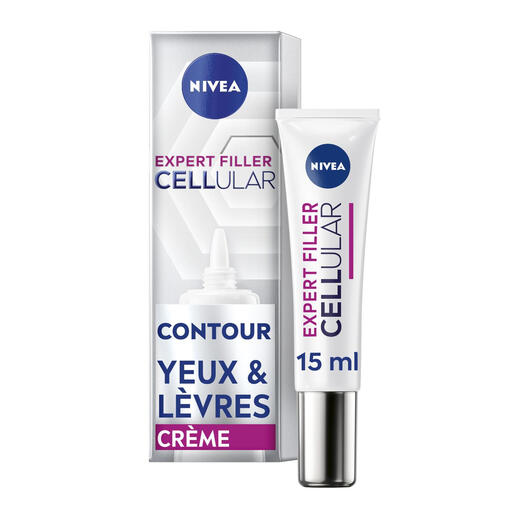
Why this choice suits this profile: its 15 ml format fits easily into a daily routine and relies on hyaluronic acid to bring more comfort to skin that needs it.
The description primarily presents a moisturising eye contour cream, not a product with exaggerated claims. If your skin reacts to certain ingredients, do still check the INCI list.
15 ml format, contains sodium hyaluronate and described as having a nourishing texture.
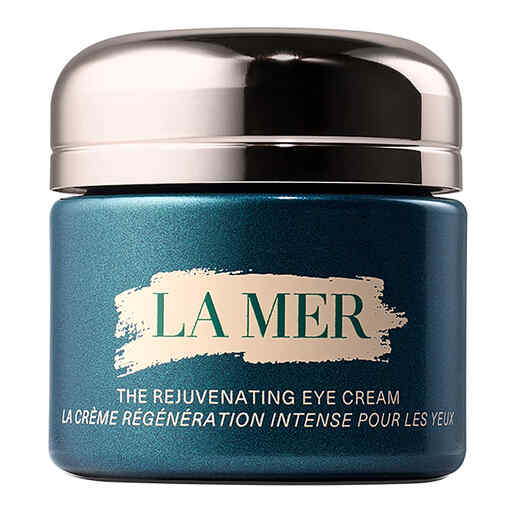
Why this choice suits this profile: its silky texture and morning and evening application are aimed at those seeking a particularly refined sensory experience for a mature eye contour.
The ingredients can be checked before purchase and notably include sodium hyaluronate and peptides. However, those with reactive skin should check for the presence of fragrance.
15 ml format, peptides and sodium hyaluronate listed in the ingredients, rich and silky texture.
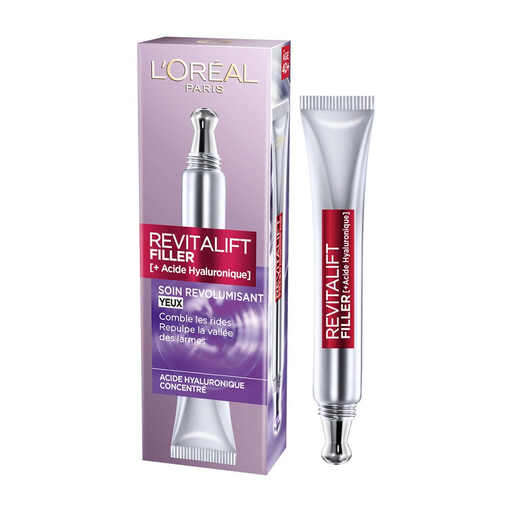
Why this choice suits this profile: its metal applicator tip and caffeine content may appeal to those who enjoy a cooling application in the morning, especially when the eyes look particularly tired.
The applicator addresses a specific need, but the results claimed by the brand should be taken as indications, not as a promise that applies to everyone.
Hyaluronic acid, caffeine and refreshing metal applicator tip mentioned by the manufacturer.
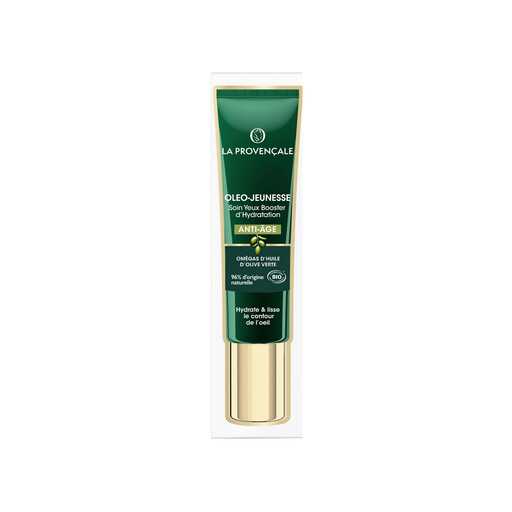
Why this choice suits this profile: this certified organic formula claims 99% naturally-derived ingredients and contains PDO olive oil from Provence. It can be applied in the morning and/or evening.
Information about the certification and origin of the ingredients is provided. This allows you to compare the formula based on concrete details, rather than just the word "organic".
15 ml format, PDO olive oil from Provence and organic certification indicated by the manufacturer.
We've put together a comprehensive selection, updated in real time, of products that meet these selection criteria as well as European safety regulations.
Yes, if the product's instructions recommend it. Apply a small amount to clean skin, then pat gently. In the morning, follow up with sunscreen on exposed areas, taking care to avoid any contact with the eyes.
Regular use over several weeks allows you to assess the hydration, comfort and overall appearance of the eye contour. Results claimed by a brand should always be interpreted in light of its testing protocol. The duration of use also depends on the amount applied and the frequency of application.
Opt for a formula with an easily accessible INCI list and check for the possible presence of fragrance, denatured alcohol or essential oils. A patch test on a small area is still advisable. If a reaction persists, stop using it and seek advice from a healthcare professional.