
Livraison le jour même ou le lendemain

Qualité garantie

Débloquez vos offres de bienvenue: Livraison GRATUITE | Jusqu'à -80 % | 30 jours d'essai gratuits à JoyPlus
Téléchargez l'application
The anthracite planter has become the star of balconies, terraces, and gardens. Its understated, modern colour makes plants pop while blending seamlessly with any style. But be warned?: beneath a similar appearance, quality can vary dramatically. Make the wrong choice, and you're setting yourself up for disappointment?: rapid discolouration, cracks at the first frost, or an ineffective watering system. This guide breaks down the essential criteria for a smart, long-lasting purchase.
The market is flooded with models, but not all promises are to be believed. Here are the most common traps that can turn your investment into a headache.
To ensure you make the right call and invest in a planter that will stand the test of time, here are the technical points to scrutinise.
A planter's robustness depends above all on its composition. Injected polypropylene is a common choice for its lightness and resistance. To aim for longevity, scrutinise the following points?:
Controlled watering is the key to healthy plants. A well-designed system should include?:
Choosing the right dimensions isn't just an aesthetic whim. A designer planter must be functional above all.
To put theory into practice, here are a few models that tick all the right boxes, each for a specific use case.
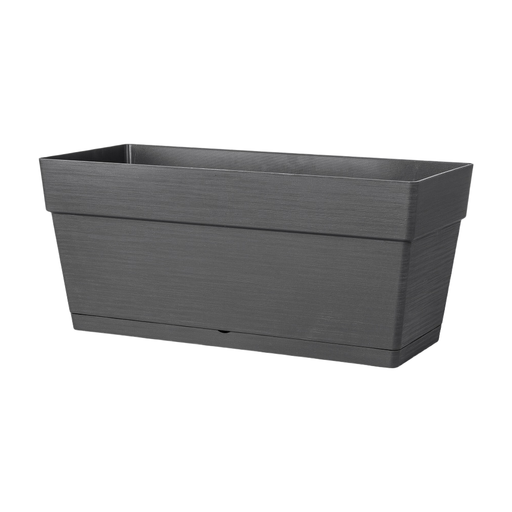
Why this model? Perfect for a balcony or windowsill, its long format optimises planting area without devouring space. The integrated water reservoir is a godsend for those who want plants without the hassle of daily watering.
Made from high-quality recycled plastic, it's treated for UV and frost resistance to prevent fading or cracking in the first winter. Its water reservoir system is well-designed for healthy watering.
Built to last: It effortlessly withstands summer UV rays and winter frost. Eco-friendly commitment: Made from recycled materials and is itself recyclable.
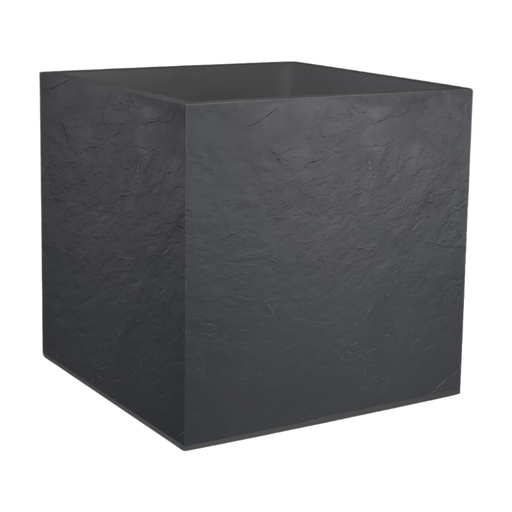
Why this model? With its massive 57 L volume, this square pot is the perfect partner for large terraces. It allows you to plant shrubs, define spaces, and create plant arrangements with high visual impact.
Its double wall is the secret to its sturdiness : it insulates roots from thermal shocks (heatwaves and frosts alike) and ensures perfect stability. The plastic is dyed-through to be UV-resistant for a colour that lasts.
Robustness and insulation: The double wall protects the roots and ensures the pot's longevity. French craftsmanship: The "Origine France Garantie" label is a true mark of quality and reliability.
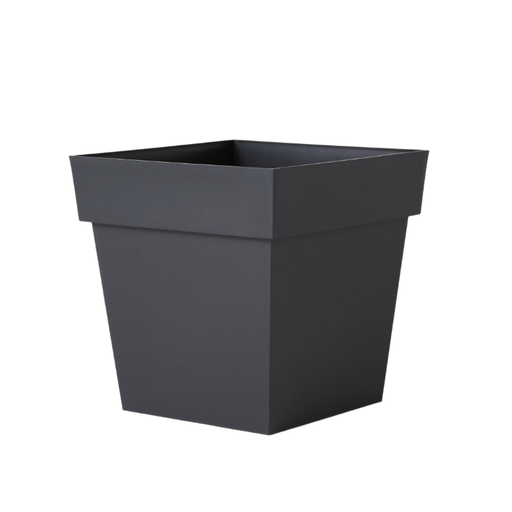
Why this model? The perfect balance of contemporary design and practicality. Its 38 L volume is generous yet manageable. The combination of French manufacturing and a 7-year warranty makes it a safe bet for a worry-free investment.
The 7-year warranty (in mainland France) on colour fastness is the best proof of its high-quality UV treatment. No more fear of fading! The water retention zone is simple and effective.
Guaranteed peace of mind: A 7-year warranty is rare and speaks volumes about the manufacturer's confidence. Optimised watering: The integrated water reservoir reduces watering chores.
Discover our complete selection of products that meet our demanding standards for quality and durability.
To prevent water from freezing and damaging the pot or roots, it is essential to completely empty the water reservoir before the first hard frost. If your pot has an overflow, the water will drain naturally. Otherwise, you will need to tip it over to empty it manually. Also, consider adding a good layer of mulch on the surface?: it's the best coat for your plants' roots.
Not automatically. The quality of a recycled plastic pot depends on the type of plastic used and the integrity of the manufacturing process. However, brands that commit to this approach, like Deroma, implement strict quality controls to ensure their recycled products perform just as well as those made from virgin materials.
Yes, this is a crucial step for outdoor use. Most pots are delivered without holes to accommodate indoor use as well (without risk of leaks). But outside, in the rain, drilling the pre-marked holes is non-negotiable. It's the only way to ensure excess water drains out and to avoid drowning your plants.