
Livraison le jour même ou le lendemain

Qualité garantie

Débloquez vos offres de bienvenue: Livraison GRATUITE | Jusqu'à -80 % | 30 jours d'essai gratuits à JoyPlus
Téléchargez l'application
With BCAA powders, HMB capsules, creatine monohydrate and pre-workout formulas on the market, it’s not always easy to tell a genuinely transparent composition from a simple marketing claim. The right choice depends first and foremost on your diet, your training schedule and the format you can take consistently.
A large pouch or a bottle packed with capsules doesn’t guarantee a high concentration. Look at the amount of active ingredient per dose, rather than just the total weight of the product.
A blend might, for example, claim 10 g of amino acids per serving without specifying the amount of leucine, isoleucine, valine or taurine. This information matters if you’re looking for essential amino acids, BCAAs or a powder to use during your workout.
Sports supplements are not a substitute for protein, carbohydrates or a varied diet. BCAAs can be handy around your training session, but they don’t provide a complete protein source on their own.
To support muscle recovery and strength progression, you also need to consider your overall energy intake, sleep, hydration and the gradual increase of your training loads.
An amino acid powder requires a glass or shaker, whereas tablets and capsules are easier to carry around. Some capsule formulas, however, require you to swallow several units per serving.
So compare the number of servings per day, the actual duration of the bottle and how easy it is to use at work, at the gym or on the go.
For BCAAs, check the presence and quantity of the three branched-chain amino acids: L-leucine, L-isoleucine and L-valine. The 2:1:1 ratio is common in BCAA formulas, but the total dosage per serving remains just as important.
For creatine monohydrate, look at the recommended daily amount. The WeightWorld product shown below provides 3 g per daily dose, while its gummies deliver 5 g for three gummies.
Calculate the cost per day rather than the price of the container. A bottle of 180 tablets can last three months at two tablets per day, while a pot of 90 gummies corresponds to 30 days with three gummies daily.
Powder can be a good option for long sessions or endurance activities, particularly for intra-workout use. Capsules and tablets will suit those who prefer simplicity and a neutral taste.
Vegans and vegetarians should examine the full composition, including the capsule shell. Some products contain gelatine or soya lecithin.
Also check for the presence of caffeine, sugars, sweeteners, sodium and added vitamins. BSN Amino X formulas, for instance, contain soya lecithin. If you are pregnant, breastfeeding, on medication or have a health condition, seek advice from a healthcare professional before use.
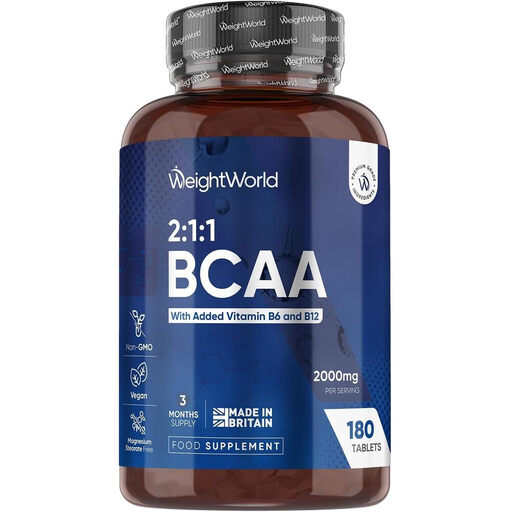
Why this suits this profile: The tablet format means no need to prepare a drink, and it provides a daily dose of 2 g of BCAAs, supplemented with vitamins B6 and B12.
The amounts of leucine, isoleucine and valine are listed separately, with a recommendation of two tablets per day.
180 tablets, stated vegan formula, gluten-free and no artificial flavours.
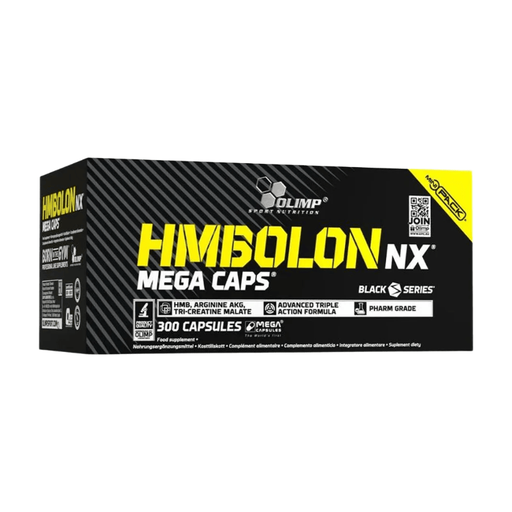
Why this suits this profile: This combined formula is aimed at athletes who want to bring together HMB, AAKG and creatine malate in a single product.
The three active ingredients are clearly identified and the bottle contains 300 capsules, making it easy to calculate the duration based on your chosen dosage.
Combination of CaHMB, AAKG and tri-creatine malate in a capsule format.
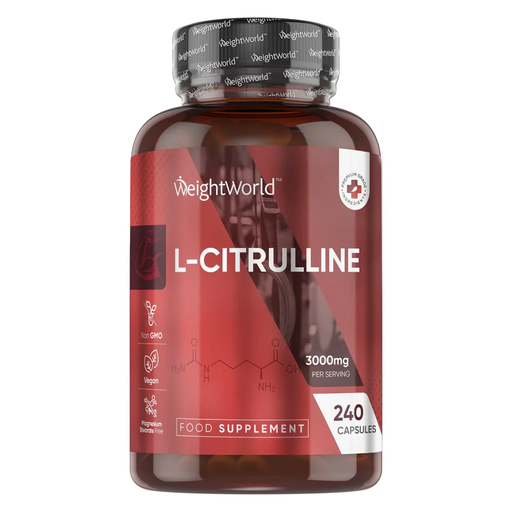
Why this suits this profile: Four capsules provide 3 g of L-citrulline. A convenient format for adults who prefer to avoid flavoured powders.
The dosage per serving and the number of servings are clearly stated, with no blend of active ingredients that would complicate reading the label.
240 capsules, stated vegan formula, gluten-free and no artificial flavours.
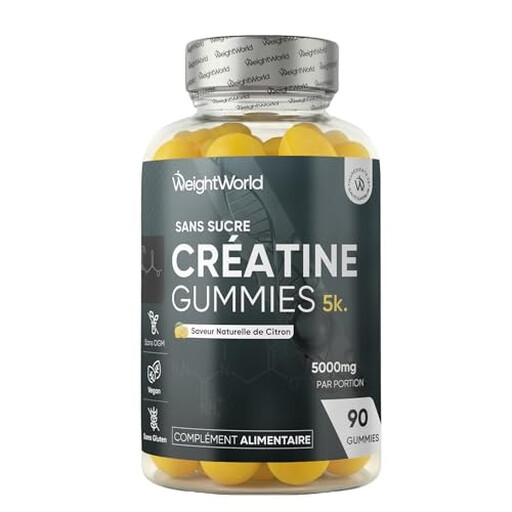
Why this suits this profile: The three daily gummies offer a shaker-free alternative for those who struggle to stick to a routine with powder or tablets.
The recommended serving is clearly defined: three gummies provide 5 g of creatine monohydrate, for a simple routine to follow.
90 gummies, stated sugar-free formula, vegan, gluten-free and naturally lemon-flavoured.
We’ve put together a comprehensive, real-time updated list of products that meet these strict selection criteria and European safety regulations.
No. They can be useful in certain situations, but a varied diet with sufficient protein remains the foundation. Their value depends on your meals, your training volume and the format you prefer.
It all depends on the dosage recommended by the manufacturer. In practice, 180 tablets taken at two per day cover 90 days. A pot of 90 gummies consumed at three per day lasts 30 days. Always check the recommended serving on the packaging.
These ingredients serve different purposes, but taking them together isn’t necessarily necessary. Examine the combined dosages, the other components and your diet. Follow the recommendations on each label and seek medical advice if you are on medication or have a health condition.