
Livraison le jour même ou le lendemain

Qualité garantie

Débloquez vos offres de bienvenue: Livraison GRATUITE | Jusqu'à -80 % | 30 jours d'essai gratuits à JoyPlus
Téléchargez l'application
BCAA, beta-alanine, L-glutamine, L-citrulline or L-arginine: amino acid supplements come in powders, tablets and capsules. This wide choice can make searching easier, but it can also complicate comparisons. A formula packed with ingredients isn't necessarily the best fit for your training.
Before you place an order, take a moment to check three things: the actual amount of amino acids per serving, the full ingredient list, and the format that best suits your routine. These few checks will help you avoid promises that sound too good to be true, and products that are impractical for daily use.
A sachet might show a serving of 14.5 g or 15 g, without that amount being entirely made up of BCAA or the specific amino acid you're after. The rest could be flavourings, sweeteners, bulking agents, salt or vitamins.
So start by looking for the line that corresponds to the active ingredient you're interested in. BSN Amino X, for example, states 10 g of amino acid blend per serving, while BODY&FIT BCAA Amino indicates 8 g of BCAA per 15 g serving. These two products shouldn't be compared based solely on the total weight of the scoop.
BCAA — L-leucine, L-isoleucine and L-valine — don't serve the same purpose as beta-alanine or L-glutamine. A formula designed to support a long session isn't chosen the same way as a simple powder to add to your daily diet.
Start by defining your goal:
Efficacy claims must remain in line with officially authorised information and the product's labelling. A food supplement is not a substitute for a varied diet or medical advice.
Powder formulas may contain soya, often in the form of lecithin, as is the case with several BSN and Olimp products. Conversely, some products are labelled as suitable for vegetarians or vegans. It's still essential to check for any traces mentioned on the packaging.
In the UK, the label must allow you to identify the ingredients, the recommended daily dose, usage precautions and allergens. Always compare this information with your diet and any medications you're taking.
For amino acids intended for muscle building, compare the amount per daily dose, not just the number of capsules or the weight of the sachet. WeightWorld L-Arginine, for example, provides 4,000 mg per dose of four tablets, while WeightWorld L-Citrulline states 3,000 mg for four capsules.
The number of servings also matters. A product that requires several tablets a day can be less convenient than a powder, even if its listed price seems more attractive.
A 2:1:1 ratio means two parts L-leucine to one part L-isoleucine and one part L-valine. BODY&FIT BCAA Amino and WeightWorld BCAA both have this ratio. This is information about the product's composition, not a guarantee of results for every user.
For BCAA, also check the amount of each amino acid. WeightWorld BCAA provides, per dose of two tablets, 1,000 mg of L-leucine, 500 mg of L-isoleucine and 500 mg of L-valine.
Powder is suitable for people who are already used to drinking a preparation during their session. Tablets and capsules are easier to carry, but may require several doses a day. Also remember to check for caffeine, sugar, sweeteners, sodium or allergens.
An intra-workout formula should be easy to mix and pleasant to drink. For a supplement to take before exercise, refer to the manufacturer's instructions and avoid combining several products containing the same ingredients without consulting a healthcare professional.
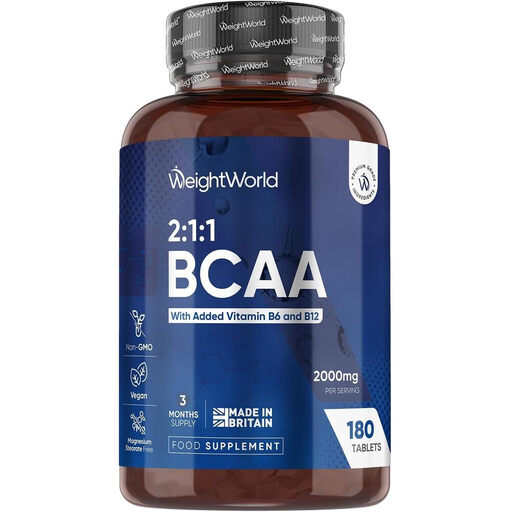
Why this choice suits this profile: The tablet format is ideal for those who want to avoid preparing a powdered drink. The stated daily dose is two tablets and the bottle contains 180.
The amount is detailed for each amino acid: 1,000 mg of leucine, 500 mg of isoleucine and 500 mg of valine per dose.
2:1:1 BCAA ratio, vitamins B6 and B12, formula stated as vegan and gluten-free.
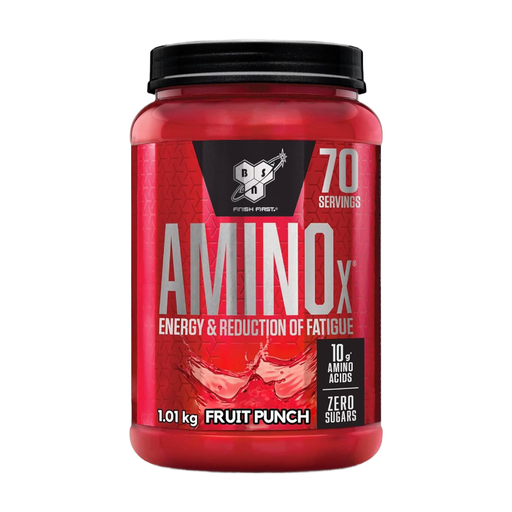
Why this choice suits this profile: Its large format and drink preparation fit well with frequent sessions or extended workouts.
The product page states 10 g of amino acids per serving, with no sugar or caffeine, rather than just highlighting the total weight of the sachet.
Soluble powder, blend of BCAA with alanine, taurine and L-arginine, and several flavours available.
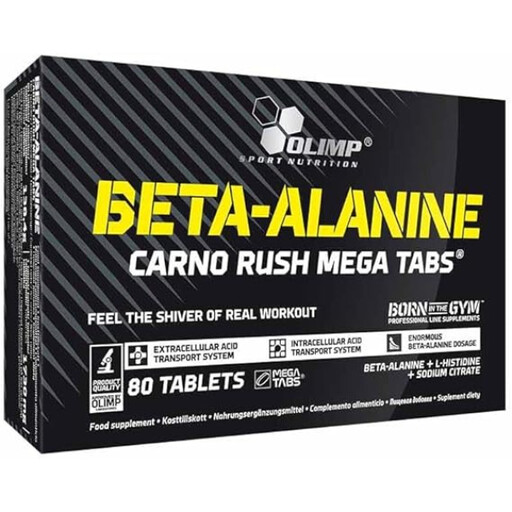
Why this choice suits this profile: The tablets allow you to target beta-alanine without adding another powder to your workout drink.
The dose is clearly stated, from two to four tablets, with a detailed composition for each serving.
Beta-alanine, L-histidine, sodium citrate and vitamin B6 in a format with no declared allergens.
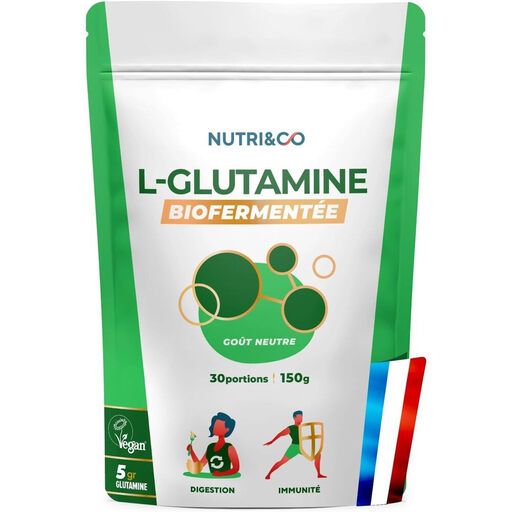
Why this choice suits this profile: Its single-ingredient L-glutamine formula and powder format make it easy to adjust the serving size to suit individual habits.
The product page specifies a formula made from 100% L-glutamine, gluten-free and gelatine-free, rather than a blend with proportions that are hard to decipher.
Vegan powder, 3 to 5 g serving as stated by the manufacturer, 150 g sachet and no added flavourings or sweeteners.
We've put together a comprehensive list, updated in real time, of products that meet these strict selection criteria and the requirements of European safety regulations.
There's no one-size-fits-all answer. Start by assessing your dietary intake, training volume and goal. BCAA, L-glutamine and glycine powder all have different compositions. Compare the actual dose, the number of servings and the usage precautions, rather than relying solely on marketing claims.
Powder is suitable for taking around your session, particularly as an intra-workout supplement. Tablets and capsules are easier to carry and mean you don't need to get out your shaker. On the other hand, some products require several units to reach the recommended dose. The most practical format really depends on your routine and your tolerance for preparing drinks.
Always follow the best-before date printed on the packaging and the storage conditions stated. Seal powder sachets carefully, protect them from moisture and heat, and keep all products out of reach of children. After opening, a supplement that has clumped together or has an unusual smell, colour or taste should not be consumed.