
Livraison le jour même ou le lendemain

Qualité garantie

Débloquez vos offres de bienvenue: Livraison GRATUITE | Jusqu'à -80 % | 30 jours d'essai gratuits à JoyPlus
Téléchargez l'application
Amino acid supplements aren’t all designed for the same purpose: supporting sports performance, a drink to have around your workout, a targeted dose of L-glutamine, or even a gentle facial cleanser. This variety of formulas can make choosing difficult, especially when marketing claims overshadow genuinely comparable information.
Before buying an amino acid powder, capsules or a skincare product, keep three pitfalls in mind:
On the skincare side, the most common mistake is choosing an amino acid facial cleanser based solely on the “sensitive skin” claim. You still need to carefully examine the ingredient list, whether it contains fragrance, and the usage precautions.
BCAA primarily refers to three amino acids: L-leucine, L-isoleucine and L-valine. The 2:1:1 ratio is common, but it’s not enough to tell two products apart. You also need to look at the total amount provided per dose.
The BODY&FIT BCAA Amino, for example, states 8 g of BCAA per 15 g serving, with a 2:1:1 ratio. In contrast, some tablet products indicate their intake per daily dose: the WeightWorld BCAA 2000 mg provides 2 g of BCAA for two tablets. These two formats aren’t equally convenient, depending on how you plan to use them.
For a more targeted formula, check the amount of each ingredient: L-glutamine, L-arginine, taurine, glycine or beta-alanine. A long list of ingredients doesn’t guarantee that each one is present in a meaningful quantity.
Powder is usually mixed with water and makes it easy to adjust the amount you consume. However, it’s more sensitive to moisture and requires you to measure each serving. Amino acid capsules are easy to carry around, but you may need to take several a day to reach the recommended dose.
Make sure you compare:
The BSN Amino X, for instance, provides a scoop of around 14.5 g to mix with 225 ml of water, depending on the version. Its formula includes BCAA, taurine, L-arginine and vitamin B6. The presence of soya lecithin must be flagged for anyone allergic to this ingredient.
A sports supplement should be used in line with the instructions on the label. Do not exceed the recommended dose, and store the product in a dry place away from heat and out of reach of children.
Pregnant or breastfeeding women, anyone on medication, and those with a health condition should seek advice from a healthcare professional. Particular caution is needed with L-arginine, beta-alanine and combined formulas.
For skincare products, also check:
An amino acid hydrating lotion is applied after cleansing, but it doesn’t replace a moisturiser when one is needed in your routine.
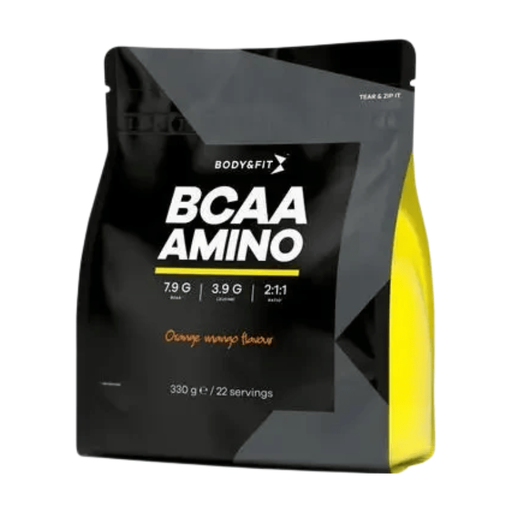
Why this choice suits this profile: The powder lets you start with a clearly dosed BCAA formula that you mix before, during or after your workout.
The product page states 8 g of BCAA per 15 g serving and specifies the 2:1:1 ratio, making it easier to compare formulas.
330 g, 22 servings stated, formula suitable for vegetarians and vegans.
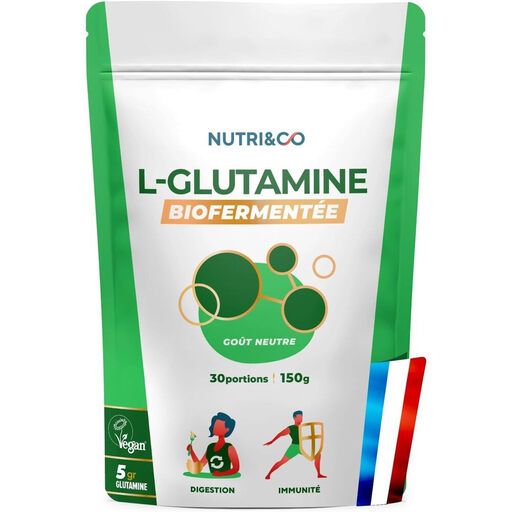
Why this choice suits this profile: A single-ingredient formula is ideal for those who prefer to avoid complex blends and keep control over their intake.
The product page states 100% L-glutamine composition and a daily dose of between 3 and 5 g.
Vegan powder, gluten-free and gelatine-free, with 150 g of product.
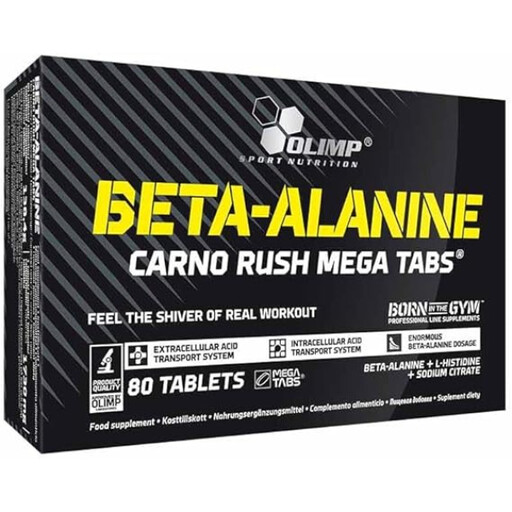
Why this choice suits this profile: The tablet format is aimed at adult athletes who prefer a targeted formula over a flavoured drink.
The product page details the amount of beta-alanine for three or four tablets and specifies the conditions of use.
80 tablets, with beta-alanine, L-histidine, sodium citrate and vitamin B6 clearly stated.
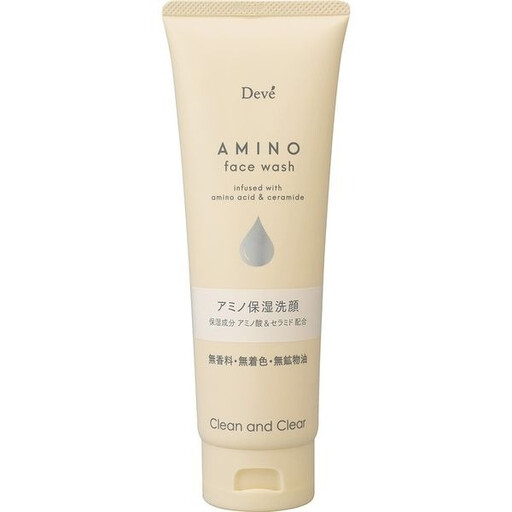
Why this choice suits this profile: This product can be used morning and evening and combines amino acid-based cleansing agents with hydrating ingredients.
The product page states it is free from fragrance, colourants and mineral oil, and explains what to do if irritation occurs.
170 g, dense foam, ceramide NG, hyaluronic acid and water-soluble collagen stated.
We’ve put together a comprehensive, real-time updated selection of products that meet these exacting criteria, while complying with European safety regulations.
BCAA refers to three branched-chain amino acids: leucine, isoleucine and valine. A more complete formula may also contain L-glutamine, L-arginine, taurine, glycine or beta-alanine. Your choice should therefore be based on the composition you’re looking for, not simply the number of ingredients.
Powder is suitable for people who want to mix the product into a drink and adjust the dose precisely. Capsules are easier to carry and require no preparation, but you may need several to reach the recommended amount. In either case, compare the cost per serving.
Follow the date on the packaging and the storage conditions recommended by the manufacturer. Seal sachets and powder tubs carefully, especially for effervescent formulas, and protect them from moisture. If the smell, appearance or texture of the product changes, stop using it and refer to the manufacturer’s instructions.