
Livraison le jour même ou le lendemain

Qualité garantie

Débloquez vos offres de bienvenue: Livraison GRATUITE | Jusqu'à -80 % | 30 jours d'essai gratuits à JoyPlus
Téléchargez l'application
Looking for amino acid supplements to support your weight training, fitness, endurance or combat sport? With BCAAs, glutamine powder, glycine and enriched drinks to choose from, differences in ingredients can quickly make it difficult to decide.
Price alone won’t help you choose between two products. A formula with a long list of ingredients may contain only a relatively small amount of amino acids. Conversely, a single-ingredient product may be more suitable for a specific need. Here are the points to consider before you buy, along with a selection for different types of user.
A 1 kg pouch doesn’t guarantee a high concentration. Start by checking the nutrition table and looking at the amount per serving. Some powders contain flavourings, sweeteners, anti-caking agents or vitamins. These ingredients add weight to the product without increasing its amino acid content.
For BCAAs, look for the breakdown of L-leucine, L-isoleucine and L-valine, rather than a vague claim such as ‘amino acid complex’.
Claims about performance, energy or muscle recovery are worth treating with caution. A food supplement is no substitute for a varied diet, good hydration, enough sleep or a suitable training programme.
Vitamins and minerals may be linked to certain authorised health claims when they meet the conditions set out in European regulations. That doesn’t mean that every claimed benefit of an amino acid blend is automatically proven.
Amino acid powder makes it easy to adjust the dose, but you’ll need a shaker and somewhere suitable to store it. Capsules and tablets are convenient for everyday use, but you may need to take several to reach the recommended dose. A ready-to-drink option is easy to carry, but may contain caffeine.
Also check for soya, gluten, gelatine, sugar, caffeine or sweeteners, especially if you’re looking for a vegan sports supplement or a sugar-free formula.
BCAAs often follow a 2:1:1 ratio of leucine, isoleucine and valine. Always compare this ratio with the total amount per serving. For example, one serving might provide 2 000 mg of BCAAs in tablet form, or 5 to 8 g as a powder. The number of units you need to take and the daily cost will therefore differ.
Some people choose L-glutamine to support recovery. L-citrulline or L-arginine feature in some pre-workout formulas. Taurine, beta-alanine and glycine are used in other ways. It’s better to choose an ingredient that suits your goal than a lengthy blend whose composition is difficult to assess.
Work out the price of the dose you’ll actually use:
Also compare the number of servings, not just the product’s net weight.
A formula containing caffeine may suit some workouts, but is not recommended for children or for pregnant or breastfeeding women. If you’re sensitive to stimulants, consider your total intake over the course of the day.
If you’re taking medication, have a health condition, or are pregnant or breastfeeding, ask a healthcare professional for advice before using L-arginine, L-citrulline, beta-alanine or any other sports supplement. Always follow the dosage stated on the packaging.
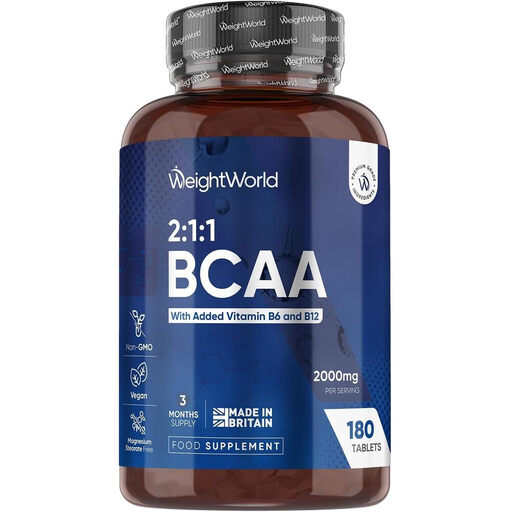
Why it suits this type of user: The tablet format is a straightforward option if you want to get started without a shaker or any preparation. The recommended daily dose is two tablets.
The product information lists the 2 000 mg of BCAAs separately and specifies the 2:1:1 ratio, making it easier to compare with other products.
180 tablets, vitamins B6 and B12, and a formula stated to be gluten-free, sugar-free and suitable for vegans.
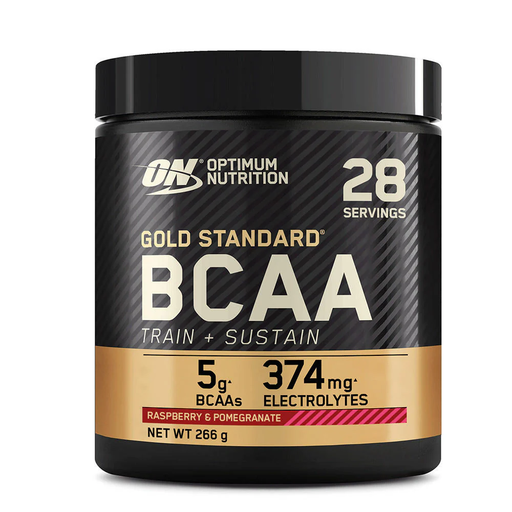
Why it suits this type of user: This powder is designed for athletes who want BCAAs, electrolytes and micronutrients in a drink to have during their workout.
Each 9.5 g serving provides 5 g of BCAAs, with a breakdown of the three amino acids and minerals.
266 g pack, with 28 servings stated, plus vitamin C, magnesium and raspberry-pomegranate flavour. Check for soya if you have any dietary requirements.
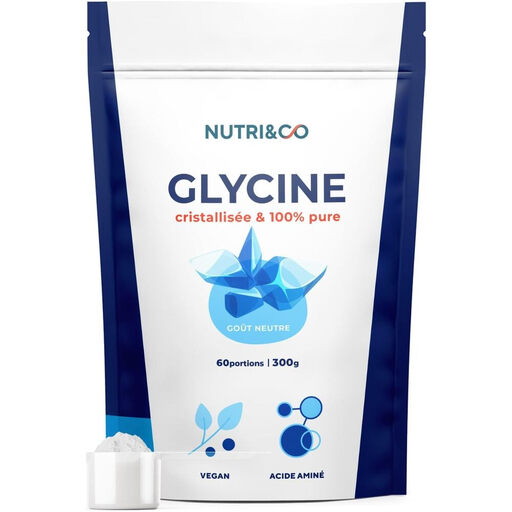
Why it suits this type of user: Its single-ingredient formula is for people looking for glycine powder who want to adjust their intake precisely.
The stated composition is 100% crystallised L-glycine, with no added sugar or sweeteners.
300 g tub, with a stated serving of around 3 to 5 g. The product is described as vegan, gluten-free and gelatine-free, and the product information says it is packaged in France.
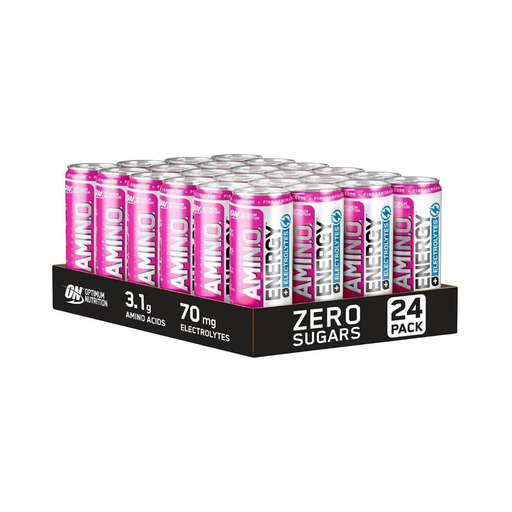
Why it suits this type of user: This 250 ml can is ready to drink before or during exercise. It’s a convenient choice if you’re travelling between home, work and the gym.
The product information states that each can contains 3.1 g of amino acids, and lists the caffeine, electrolytes and other ingredients separately.
The drink is stated to be sugar-free and contains 10 calories per can, with BCAAs, citrulline, glutamine, taurine and 100 mg of caffeine. Avoid it in the evening if you’re sensitive to stimulants.
We’ve put together a complete selection, updated in real time, of products that meet these strict criteria and comply with European safety regulations.
Start by reviewing your diet and total protein intake. Then choose a formula with a clearly stated dosage. BCAAs, glutamine powder and amino acid blends designed for recovery are intended for different uses. Compare the ingredients, number of servings and recommended time of use on the label.
Powder generally makes it easier to adjust the dose and mix the product with water or another drink. Capsules and tablets are easier to carry, but you may need to take several a day. The best choice depends mainly on your routine, how well you tolerate the taste and the cost per serving.
Follow the best-before date on the packaging and the storage instructions provided by the manufacturer. Once opened, keep the powder somewhere dry, close the lid securely and store it away from heat. If moisture has caused the powder to clump, don’t use it if its appearance, smell or packaging seems unusual.