
Livraison le jour même ou le lendemain

Qualité garantie

Débloquez vos offres de bienvenue: Livraison GRATUITE | Jusqu'à -80 % | 30 jours d'essai gratuits à JoyPlus
Téléchargez l'application
With promises of rapid recovery, dosages that are hard to compare and formats that vary in convenience, buying amino acid supplements can quickly become expensive. BCAAs, whey, glutamine powder, L-arginine and L-citrulline all serve different purposes.
To avoid buying something that isn’t right for you, focus on the actual ingredients, the amount in each serving and whether the product suits your diet. Here are the things to check before choosing a product for weight training, endurance or regular physical activity.
A 1 kg pouch may seem like good value, but what matters is the amount of amino acids you actually get in each serving. Check the serving size, the number of servings and how much BCAA, protein or glutamine each one contains.
Some powders combine several ingredients without clearly stating how much L-leucine, L-isoleucine and L-valine they contain. A clear label makes it easier to compare BCAA powder, tablets and ready-to-drink beverages.
Some pre-workout supplements combine amino acids with caffeine, taurine and plant extracts. This type of formula may not be suitable for taking late in the day or for people who are sensitive to caffeine. Take the time to read the full ingredients list and the recommended serving size.
For example, one 250 ml can of Amino NRG contains 100 mg of caffeine. That sets it apart from caffeine-free BCAA powder, which may be easier to fit around a workout without changing your stimulant intake.
Whey protein is made from milk and may contain soya lecithin. By contrast, several BCAA, taurine and citrulline products are described as suitable for vegetarian or vegan diets. If this applies to you, also check for statements such as “may contain traces of” gluten, eggs, nuts or peanuts.
Essential amino acids aren’t all found in the same products. BCAAs are made up of L-leucine, L-isoleucine and L-valine, usually in a 2:1:1 ratio. Whey naturally contains BCAAs, while glutamine, taurine, L-arginine and L-citrulline are used in formulas designed for different purposes.
If you simply want to top up your daily protein intake, whey is a versatile option. If you’re making a drink to have before or during training, BCAA powder or an amino acid blend may be more convenient.
Always compare the values per serving, not just the figures given per 100 g. For example, one serving of BCAA Amino provides 8 g of BCAAs in 15 g of powder, in a 2:1:1 ratio. WeightWorld tablets provide 2 g of BCAAs per two tablets. They’re easier to carry, but the amount per serving is different.
For protein products aimed at athletes, check the amount of protein per serving too. Some whey products provide 24 g of protein per 30 g serving, while whey isolate can provide up to 25 g per serving, with less fat and sugar.
Powder lets you adjust the amount of water and use it in a shaker, smoothie or recipe. Capsules and tablets are a better fit if you don’t want to prepare a drink. Ready-to-drink cans are handy when you’re out and about, but take up more space and may contain caffeine.
Follow the dosage on the label and don’t use a supplement as a substitute for a varied diet. If you’re pregnant or breastfeeding, taking medication or have a health condition, ask a healthcare professional for advice.
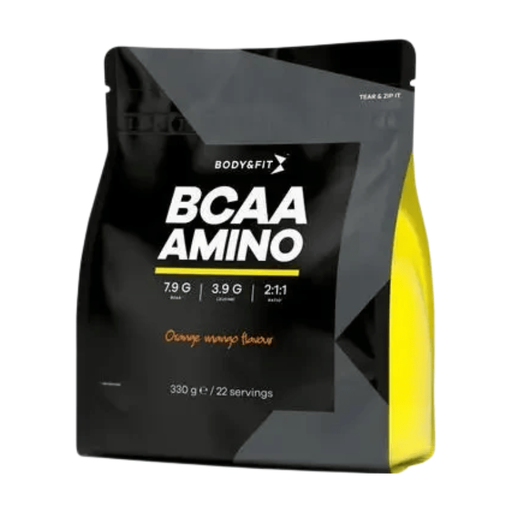
Why it’s a good fit for this profile : At 330 g, this product is an affordable way to try BCAA powder. The product details list 22 servings, each to be mixed with 250 ml of water.
The amount per serving is clearly stated: 8 g of BCAAs in 15 g of powder, with a clearly labelled 2:1:1 ratio.
A powder described as suitable for vegetarians and vegans, available in several flavours and suitable for use before, during or after exercise.
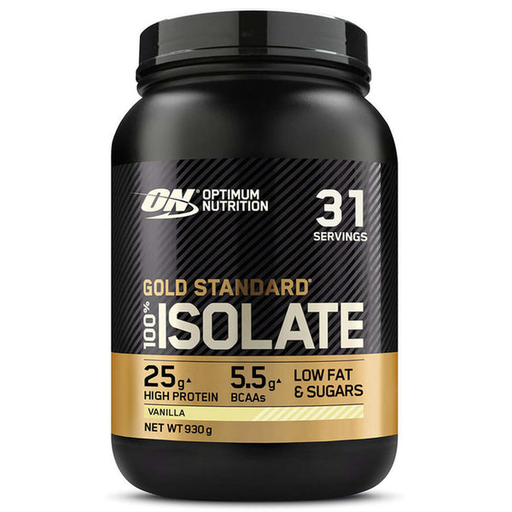
Why it’s a good fit for this profile : This whey isolate is for anyone who wants to keep a close eye on their protein intake, with a set serving size of 30 g.
The product details list 25 g of protein, 0,3 g of sugars and 0,4 g of fat per serving.
A blend of whey isolate and hydrolysed isolate, with 31 servings listed. It can be used in a shaker or added to a recipe.
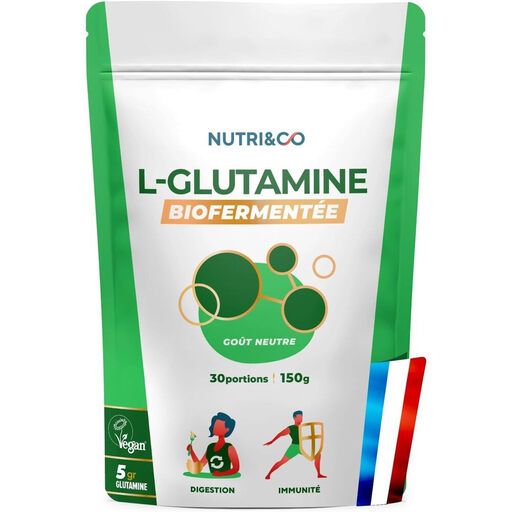
Why it’s a good fit for this profile : Its powder format and daily dose of 3 to 5 g are easy to work into a muscle recovery routine or add to a shaker.
The formula is listed as 100 % L-glutamine and the net weight is clearly stated as 150 g, making it easier to work out how many servings you’ll get.
A product described as gluten- and gelatine-free, with no artificial flavourings, sweeteners or preservatives.
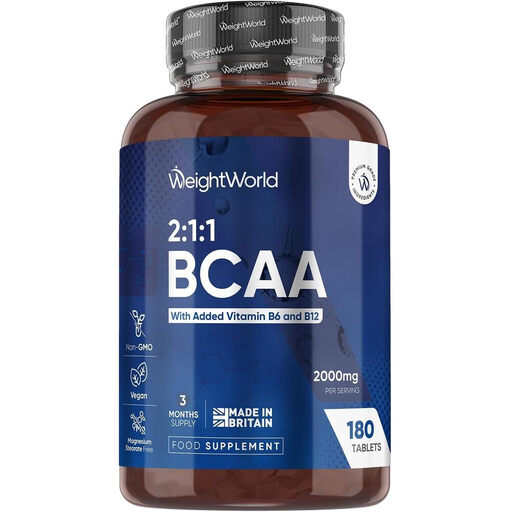
Why it’s a good fit for this profile : The tablets mean there’s no need for a shaker, and they’re easy to slip into a bag for work, the gym or a trip.
The daily dose is clearly set at two tablets, providing a total of 2 g of BCAAs in a 2:1:1 ratio.
180 tablets, with vitamins B6 and B12 listed. The product information describes the formula as vegan and gluten-free.
We’ve put together a comprehensive selection, updated in real time, of products that meet these exacting criteria and European safety requirements.
BCAAs are three specific amino acids: leucine, isoleucine and valine. Whey provides a wider range of proteins and amino acids, and generally more protein per serving. The right choice depends on your diet as a whole and the format you prefer.
It depends on the product and the instructions on the label. You can have whey after exercise or between meals. BCAAs can be mixed into a drink to have before, during or after a workout, depending on the product. If your diet already meets your needs, there’s no need to pile on the supplements.
Follow the best-before date on the packaging and the storage instructions. Seal the pouch or tub carefully and store it somewhere cool and dry, away from light. Powder that has absorbed moisture may become lumpy and less pleasant to use.