
Livraison le jour même ou le lendemain

Qualité garantie

Débloquez vos offres de bienvenue: Livraison GRATUITE | Jusqu'à -80 % | 30 jours d'essai gratuits à JoyPlus
Téléchargez l'application
Looking for amino acid supplements to support your strength training, running or fitness routine? On paper, the choice seems straightforward. In practice, labels can quickly make comparisons difficult: doses listed per serving, incomplete blends, inconvenient formats… Some products end up being expensive or difficult to incorporate into a consistent routine.
The selection below is based on verifiable information: quantity per dose, composition, format, allergens, number of servings and precautions stated on the label.
A 1 kg pouch may seem particularly good value. However, you still need to check the amount of amino acids per scoop and the actual number of servings available. Conversely, a bottle of tablets may show a substantial total weight while requiring several doses per day.
To compare two products, focus on three key figures:
BCAAs consist of L-leucine, L-isoleucine and L-valine. The 2:1:1 ratio is common, but it is not enough to assess a supplement. The amount actually delivered per dose, the added ingredients and your daily diet also matter.
Claims relating to vitamins and minerals should be distinguished from broad promises associated with sports participation. Vitamin B6, for example, may contribute to normal energy-yielding metabolism under the conditions set out in European regulations. This does not, however, guarantee a specific effect on every individual’s performance.
Effervescent powder, capsules or tablets: each format suits different habits. Also check for soy, gelatin, sweeteners and sodium. If you follow a vegan diet, check the composition of both the capsule and the formula as a whole—not just the product name.
For BCAAs, look for clearly stated amounts of L-leucine, L-isoleucine and L-valine. A transparent formula makes it easier to compare the product with your daily protein intake.
Other amino acids are suited to different uses:
A product taken just once a day will generally be easier to follow than a formula requiring several capsules. Pay close attention to the relationship between the container size and the stated duration: some products last three months, while others provide only a few weeks’ supply.
Never exceed the recommended dose shown on the packaging. A food supplement is no substitute for a varied diet, proper hydration or sufficient rest.
For a vegan supplement, check the origin of the ingredients as well as the composition of the capsule shell. Powders may contain soy, flavourings, sweeteners or anti-caking agents. If you have an allergy, are pregnant or breastfeeding, take medication or have a health condition, seek advice from a healthcare professional before use.
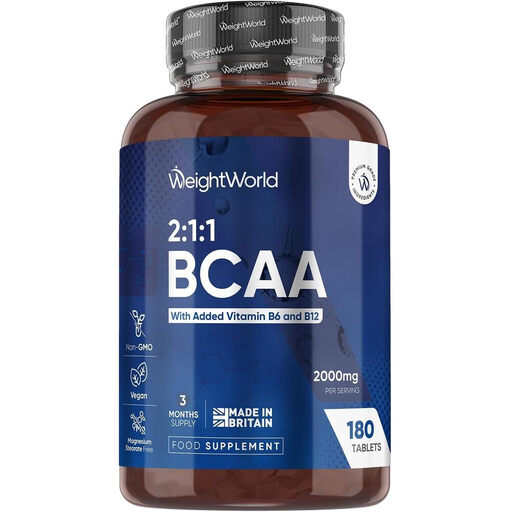
Why this option may suit you: an unflavoured, easy-to-carry format for active adults who would rather not prepare a drink before every session.
The daily serving is set at 2 tablets, with a 2:1:1 ratio and the amount of each BCAA clearly detailed.
2,000 mg of BCAAs per dose, vitamins B6 and B12, 180 tablets, with a formula presented as vegan and gluten-free.
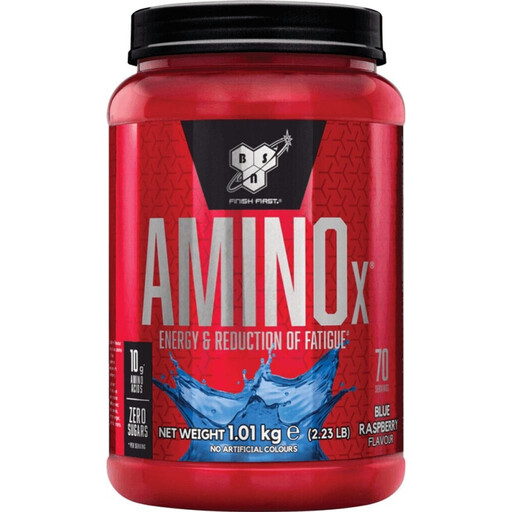
Why this option may suit you: a large-format powder designed for regular users who prefer to drink their supplement during or after training.
The serving is approximately 14.5 g and provides 10 g of amino acid blend. The presence of soy and sodium is also clearly stated.
Effervescent powder, 10 g of amino acids per serving, vitamins B6 and D, and caffeine-free according to the product information reviewed.
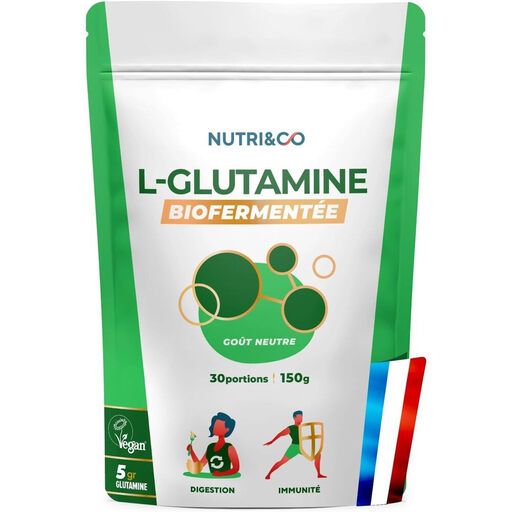
Why this option may suit you: a targeted choice for athletes looking beyond BCAAs who prefer a single-ingredient powder.
The formula contains 100% L-glutamine, with no opaque blend of ingredients or added flavouring listed on the product page.
150 g of powder, recommended dose of 3 to 5 g per day, vegan formula, and free from gluten and gelatin according to the product information.
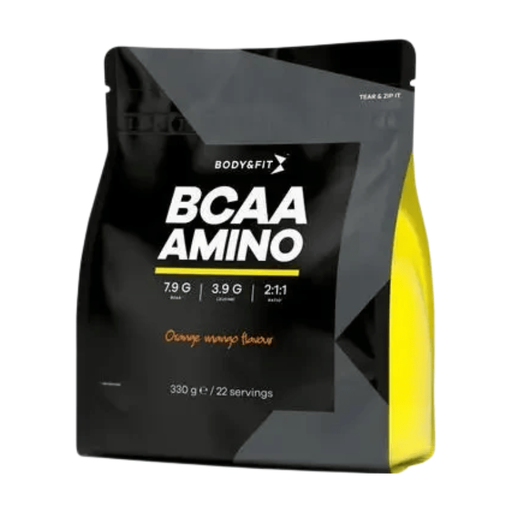
Why this option may suit you: a powder suitable for vegetarians and vegans who want to prepare their drink before, during or after a workout.
The product information distinguishes the 15 g scoop from the 8 g of BCAAs actually provided, making it easier to calculate the true number of servings.
8 g of BCAAs per serving, 2:1:1 ratio, 330 g of powder, and a formula advertised as suitable for vegans and vegetarians.
We have brought together an updated selection of supplements meeting these composition, format and usage criteria for athletes in France.
Yes. Leucine, isoleucine and valine are essential amino acids, meaning the body cannot produce enough of them on its own. They must therefore be obtained through the diet. BCAAs may complement a sports routine, but they do not replace protein sources as part of a varied diet.
Powder is suitable for people who want to mix their supplement into a drink. Tablets and capsules are easier to carry and require no preparation. However, check the number of daily servings, the size of the tablets and the list of excipients.
Follow the expiry date shown on the packaging and the stated storage conditions. Close pouches and bottles carefully, particularly when storing powders that are sensitive to moisture. Keep them in a cool, dry place away from light and out of reach of children.