
Livraison le jour même ou le lendemain

Qualité garantie

Débloquez vos offres de bienvenue: Livraison GRATUITE | Jusqu'à -80 % | 30 jours d'essai gratuits à JoyPlus
Téléchargez l'application
BCAAs, or branched-chain amino acids, comprise leucine, isoleucine and valine. They’re available as powders, capsules, tablets and ready-to-drink beverages. But two products featuring the same BCAAs can have very different doses, ratios and ingredients.
Before buying a BCAA supplement, it’s worth watching out for three common pitfalls:
The nutrition panel should show the amount of each essential amino acid. A 2:1:1 BCAA product generally provides two parts leucine to one part isoleucine and one part valine. This is a useful starting point when comparing formulas, but don’t focus on the ratio alone.
A 4:1:1 BCAA product, such as Nutri&Co, contains proportionally more leucine. The stated serving provides 5 g of BCAAs, including 3.333 g of leucine, plus 1.5 g of EAAs. So, when comparing two products, check the actual grams per serving rather than relying solely on the claim on the front of the tub.
Whether you’re looking for a BCAA supplement for strength training or a formula aimed at endurance, take the time to read the ingredients list:
The presence of glutamine, citrulline or taurine doesn’t automatically make a formula more appealing. These ingredients serve different purposes, so judge them by their dosage rather than simply by whether they appear on the label.
Powder is a good option if you like mixing an intra-workout BCAA drink in a shaker. It can often provide several grams of amino acids in a single serving, but you’ll need to carry the powder with you and make sure it mixes well.
BCAA capsules or tablets are easier to store and take with you. However, you may need several at a time. For example, WeightWorld recommends 2 tablets for 2 g of BCAAs, while Olimp recommends up to 15 capsules a day for its suggested serving. This can have a direct impact on convenience and the cost per serving.
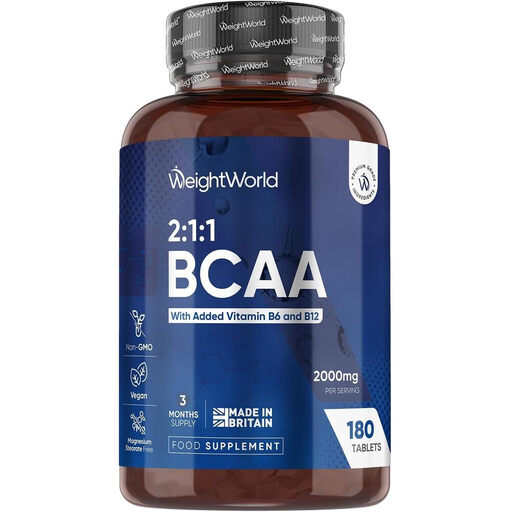
Why it could suit you : The tablet format is a convenient way to try BCAAs for the first time and means there’s no drink to prepare. The formula provides 2,000 mg of BCAAs in a daily serving of two tablets, with a 2:1:1 ratio.
The amounts of leucine, isoleucine and valine are listed separately. The formula is labelled as free from sugar, artificial flavours and major allergens.
180 tablets, a vegan formula, and vitamins B6 and B12 providing 100 % of the NRV per stated serving.
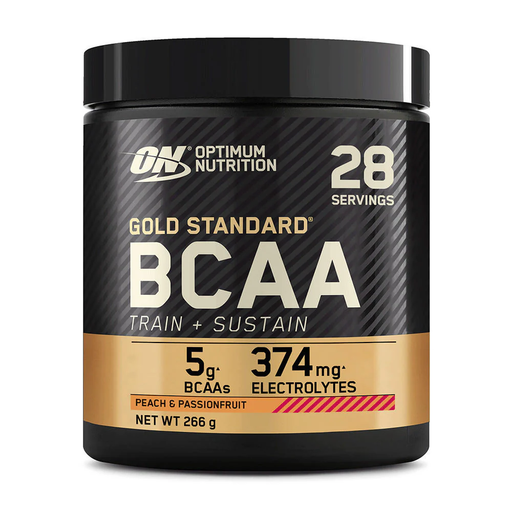
Why it could suit you : This powder is designed for adults who want to combine BCAAs, electrolytes and micronutrients during longer training sessions.
The label clearly lists 5 g of BCAAs, electrolytes, vitamin C, magnesium, zinc and Rhodiola rosea extract.
2:1:1 ratio, 28 servings, 200 mg of Rhodiola rosea and minerals listed with their NRVs.
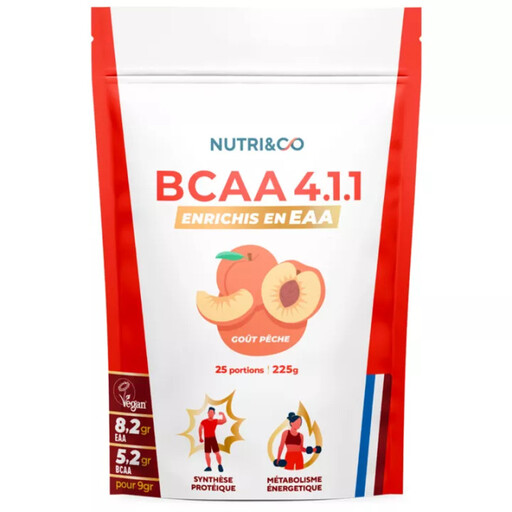
Why it could suit you : This plant-based powder is suitable for vegan or vegetarian shoppers looking for a 4:1:1 ratio and an additional supply of EAAs.
The serving lists 5 g of BCAAs, 1.5 g of EAAs and 3.333 g of leucine separately. The formula contains no animal-derived ingredients or artificial sweeteners.
4:1:1 ratio, plant-based ingredients, peach flavour and 25 servings at the stated dosage.
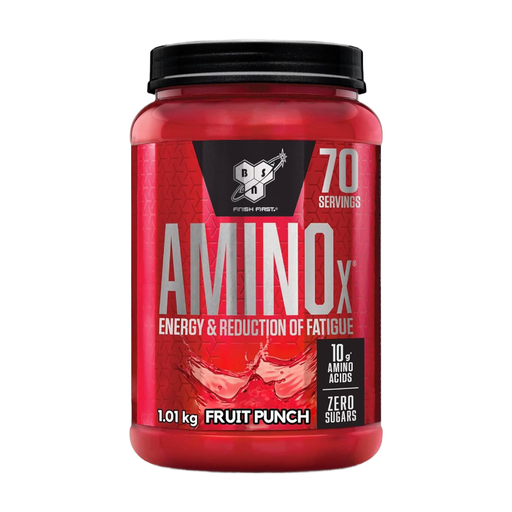
Why it could suit you : The large pack is aimed at people who regularly drink an amino acid beverage during or after their workout.
The formula is labelled as free from sugar and caffeine. One thing to note: the 10 g refers to an amino acid blend, not BCAAs alone.
1 kg pack, mixes with 225 ml of water and contains vitamin B6. Contains soya lecithin.
We’ve put together a comprehensive selection, updated in real time, of products that meet these demanding criteria and comply with European safety regulations.
It depends on the formula and the manufacturer’s recommendations. BCAAs can be taken before, during or after training. An intra-workout BCAA drink can be handy during longer sessions, while tablets are easier to take with a meal. In all cases, follow the dosage on the label.
No. Some formulas, such as BSN Amino X and WeightWorld tablets, are labelled as sugar-free. Others contain dextrose or sweeteners. To be sure, check the ingredients list and nutrition panel rather than relying on the flavour or the words ‘sports drink’.
The best-before date is shown on the packaging. Once opened, seal the pouch or tub carefully and store it somewhere cool and dry, away from light. Amino acid powders can absorb moisture and become lumpy, but that doesn’t necessarily mean they’ve gone off.
Food supplements should not be used as a substitute for a varied diet or a balanced lifestyle. If you’re taking medication, are pregnant or breastfeeding, or have a health condition, ask a healthcare professional for advice before use.