
Livraison le jour même ou le lendemain

Qualité garantie

Débloquez vos offres de bienvenue: Livraison GRATUITE | Jusqu'à -80 % | 30 jours d'essai gratuits à JoyPlus
Téléchargez l'application
Looking to support muscle recovery, increase your intake of essential amino acids, or care for your skin and joints? There’s no shortage of amino acid and collagen supplements to choose from. The challenge is comparing them, as product labels aren’t always as transparent as they should be.
Some formulas list a range of ingredients without clearly stating how much of each serving you get. Others promote a BCAA ratio or supposedly revolutionary absorption technology without explaining what that means in practice. The format — powder, tablets or capsules — can also make taking your supplement every day easy… or quickly become a chore.
Here are the criteria to consider before you order, along with a selection to suit different needs.
A product may combine L-glutamine, taurine, L-arginine and BCAAs, while providing very different amounts of each. Simply seeing an ingredient on the list isn’t enough to assess a formula. Always check the amount supplied per serving, as well as the actual number of servings in the pack.
For BCAAs, check the amounts of L-leucine, L-isoleucine and L-valine separately. A 2:1:1 or 4:1:1 ratio doesn’t, on its own, tell you how much you’ll consume in total.
Claims such as ‘maximum absorption’, ‘enhanced performance’ or ‘faster recovery’ can sometimes be more about marketing than useful information. In France and the European Union, nutrition and health claims must comply with the regulations that apply to food products.
Focus on what you can verify: ingredients, source, allergens, recommended daily dose, number of servings and whether the product contains a nutrient with an authorised claim. Vitamin B6, for example, contributes to normal protein and glycogen metabolism. Vitamin C contributes to normal collagen formation.
Hydrolysed marine collagen comes from fish, so it isn’t suitable for people with fish or seafood allergies and is not a vegan supplement. By contrast, a formula containing glycine or certain plant-based BCAAs may be more suitable if you avoid animal-derived ingredients.
Also check the caffeine content, whether the product contains sweeteners, gluten or excipients, and how it should be stored. Powder should be sealed carefully after each use to limit moisture and prevent clumping.
Compare the daily dose rather than the total weight of the pouch or tub. A 300 g pack may seem like good value, but how long it lasts depends entirely on the recommended serving size. For example, some collagen products provide 6,000 mg of peptides per serving, while BCAA tablets may provide 2,000 mg in two tablets.
For supplements aimed at sportspeople, also check whether the formula contains BCAAs alone or a broader blend of amino acids. BCAA powder generally lets you adjust the dilution and flavour strength. BCAA tablets are easier to carry, but you may need to take several at a time to get the stated dose.
Powder can be mixed with water, a drink or a shake. It’s particularly suitable if you already have a drink before, during or after your workout. Tablets and capsules need no preparation, which can be handy at work or when you’re out and about.
L-citrulline, L-arginine and taurine are often available as capsules or tablets. In all cases, follow the dose stated on the packaging. If you’re taking medication or have a health condition, ask a healthcare professional for advice, particularly before taking L-arginine, which may affect blood pressure.
Hydrolysed marine collagen and collagen peptides are fragmented forms of collagen protein. Compare the type of collagen stated, the amount per serving and any added nutrients. Vitamin C is often included, in particular because it contributes to normal collagen formation.
If you’re looking for an option without animal-derived ingredients, glycine powder may be considered as an amino acid supplement. However, it isn’t a replacement for marine collagen. ‘Vegan alternative’ should therefore be understood as a difference in composition, not as an automatic equivalent.
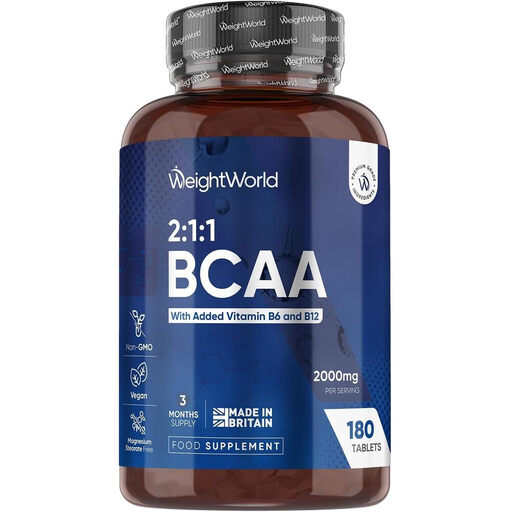
Why it suits this profile : The tablet format means there’s no need to prepare a shake, and the recommended daily intake of two tablets is clearly stated.
The amount of each BCAA is listed: 1,000 mg of leucine, 500 mg of isoleucine and 500 mg of valine per serving.
180 tablets, advertised vegan formula, sugar- and gluten-free, with vitamins B6 and B12.

Why it suits this profile : This formula is for shoppers who want to know exactly which type of peptides it uses and what else is in the blend.
The label states 2.5 g of collagen per 3.3 g serving, as well as the Morikol, Solugel and Cartidyss sources.
Peach flavour, 100 g pack for around 30 servings, vitamin C and clearly declared fish content.
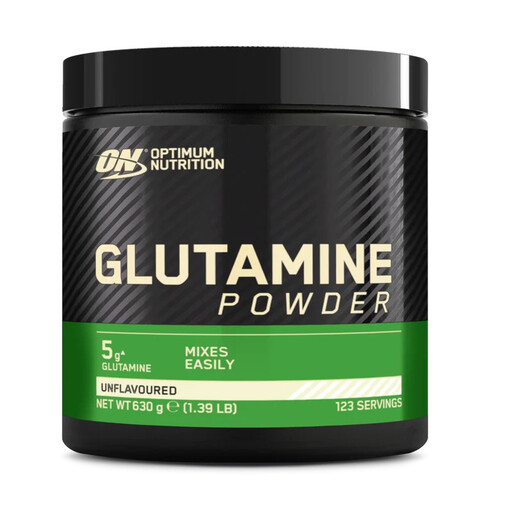
Why it suits this profile : The large pack is ideal if you’ve made L-glutamine part of your sports routine and take it regularly.
The formula contains L-glutamine only and specifies a 5 g serving, making it easy to work out how much you’re taking.
630 g, around 120 servings stated, unflavoured powder to mix into a drink or shake.
We’ve selected products that meet these exacting criteria and comply with the European framework for supplement safety. This list is updated in real time.
It depends on the product, the recommended serving and your goal. Some tubs last around two to three months, while smaller pouches run out sooner. Before you buy, work out how many servings are included and follow the instructions on the packaging.
Powder is a good fit if you already use a shaker and want a flavoured drink or a dose that’s easy to adjust. Tablets are more discreet and convenient to take with you. The main thing to compare is the total amount of BCAAs per serving, not the number of tablets or the total weight of the tub.
No. Hydrolysed marine collagen comes from fish. A formula containing glycine powder may suit you if you’re looking for a vegan supplement, but its composition is different and it shouldn’t be presented as collagen. Always check the ingredients list and allergens before ordering.