
Livraison le jour même ou le lendemain

Qualité garantie

Débloquez vos offres de bienvenue: Livraison GRATUITE | Jusqu'à -80 % | 30 jours d'essai gratuits à JoyPlus
Téléchargez l'application
Managing groceries for a large family and keeping food fresh can quickly become a logistical nightmare. If you're lucky enough to have a spacious kitchen and need XXL storage capacity, the American-style fridge is the perfect solution. With its exceptional capacity and state-of-the-art features, it's the ideal companion for households that buy in bulk and want impeccable organisation.
To help you make an informed decision, this guide breaks down the essential criteria and showcases the models that stand out from the crowd.
Before you pull out your credit card, here are the key points to check to make the right choice.
The main appeal of an American-style fridge is, of course, its XXL capacity, which often exceeds 500 litres. For a family of four or more, a capacity of 500 to 600 litres is a comfortable starting point. The most common format is the side-by-side fridge, with the freezer on the left and the refrigerator on the right. Don't overlook the interior layout?: adjustable shelves, large vegetable crispers, and generous door bins make all the difference in your daily routine for organising your groceries.
No Frost technology has become an essential standard for this type of appliance. It eliminates the chore of defrosting by preventing ice build-up in the freezer and ensures a consistent temperature for optimal food preservation.
The water, ice cube, and crushed ice dispenser is undoubtedly one of the most popular features. Check if your chosen model requires a connection to a water line or if it has a built-in tank. The latter option offers much more flexibility for installation.
A refrigerator runs 24/7, so its impact on your electricity bill is far from negligible. The European energy label details its consumption. The classes range from A (very efficient) to G (energy-intensive). A D-rated model, for example, currently offers a good balance between performance and consumption for an appliance of this size.
For an open-plan kitchen, silence is not just a luxury?: a quiet American-style fridge is essential. A noise level below 40?dB is considered quiet. Models equipped with an Inverter compressor are generally quieter and more energy-efficient.
Here are three models that caught our eye, each catering to the specific needs of modern families.

Why it stands out?: This model offers an excellent balance of capacity, essential features, and quiet operation. Its reversible door is a real asset for kitchens with tricky layouts.
Highlights?:
Who is it for? For families looking for a functional, quiet, and spacious model without unnecessary frills. Its reversible door makes it especially suitable for kitchens where every centimetre counts.
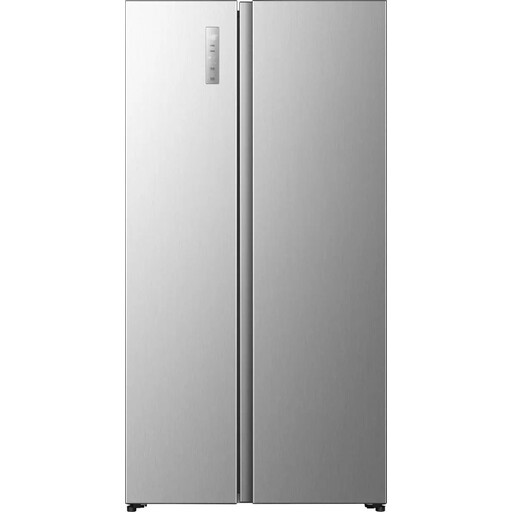
Why it stands out?: This Hisense model combines a very large 544?L capacity with the convenience of a tank-fed water dispenser, avoiding the hassle of plumbing connections.
Highlights?:
Who is it for? Ideal for large families who need maximum capacity and for anyone who wants the convenience of a water dispenser without undertaking any plumbing work.
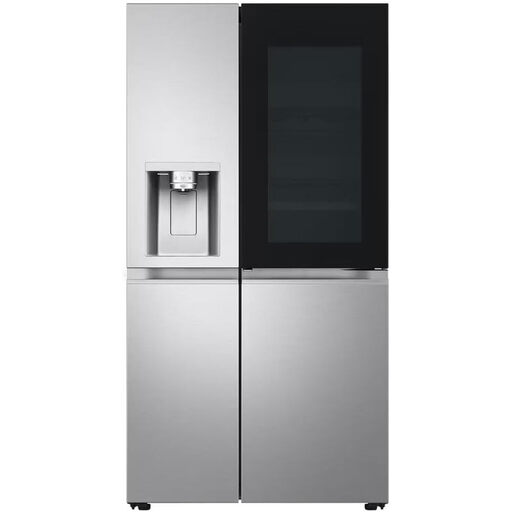
Why it stands out?: This LG refrigerator is a true powerhouse of technology, designed for those who want the best in performance and convenience. Its InstaView door is as much a stunning gadget as it is a clever energy-saving feature.
Highlights?:
Who is it for? For tech enthusiasts and (very) large families who want a premium appliance packed with the latest innovations for perfect preservation and maximum user comfort.
Our selection is just a glimpse of what's available, and the market is full of other interesting models. To discover a wider range of appliances, especially those that combine large capacity with good energy efficiency, feel free to explore our dedicated category.
Discover our selection of D-rated fridge freezers
It depends on its energy class, size, and built-in technologies. A recent D-rated model over 500?L consumes an average of 250 to 300?kWh/year. Inverter-type compressors help control this consumption by adjusting their power to actual needs.
Not necessarily. Many models, like the Hisense in our selection, include a water dispenser with an internal tank that you fill manually. This solution greatly simplifies installation. However, models that produce ice continuously most often require a direct connection to a water line.
Its lifespan is estimated to be between 10 and 15 years on average. Regular maintenance, such as cleaning the door seals and the condenser (when accessible), can not only extend its lifespan but also maintain its energy performance.