
Livraison le jour même ou le lendemain

Qualité garantie

Débloquez vos offres de bienvenue: Livraison GRATUITE | Jusqu'à -80 % | 30 jours d'essai gratuits à JoyPlus
Téléchargez l'application
Aloe vera products come in all sorts of forms: drinks, juices, creams, cleansing waters and even makeup removers. Plenty to find what you’re after… or get lost in the process. Labels like “natural”, “fruity” or “organic” aren’t enough on their own to tell you whether a product really meets your needs.
Before you place an order, three common pitfalls keep cropping up:
To choose an aloe vera drink, start by looking at the ingredient order and the nutritional values per 100 ml. Water often comes first, followed by aloe vera gel, juice or powder. These ingredients don’t all deliver the same result:
The sugar content is also worth a glance. The OKF Aloe Vera Drink Original, for example, contains 8 g of sugar per 100 ml, while some fruity recipes go up to 9 g per 100 ml. The OKF peach aloe vera drink, for instance, provides 40 kcal and 9 g of sugar per 100 ml. That gives you a concrete basis for comparing products, rather than relying solely on the flavour on the label.
For an occasional treat, go for a flavour you enjoy and a size that’s easy to store. For regular drinking or a family purchase, compare the total volume, sugar content, storage instructions and price per litre instead.
For organic aloe vera skincare or organic aloe vera products, make sure you check:
A cream may claim a high proportion of naturally derived ingredients while still containing fragrance or components needed for stability. That’s not necessarily a problem, but it’s worth checking if you’re after a short, no-fuss routine.
The NIVEA Radiance Day Care Organic Aloe Vera 50 ml states 99% naturally derived ingredients and contains jojoba oil, sweet almond oil and shea butter. The formula also lists fragrance and several perfuming components. So it’s best suited to people looking for a day cream for normal skin who are comfortable with that type of ingredient.
An aloe vera moisturising cream doesn’t do the same job as a micellar water or an aloe vera eye makeup remover. To build a logical routine:
If you have sensitive or reactive skin, keep a close eye on the presence of fragrance, alcohol and preservatives. When in doubt, test the product on a small area and stop using it at the first sign of irritation. Even a formula described as gentle or hypoallergenic should be used in line with its labelling.
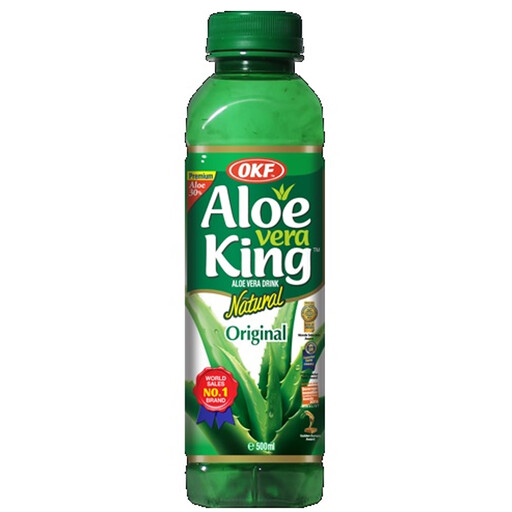
Why this pick suits this profile: At 500 ml, this drink lets you try it out without committing to a larger size straight away.
The label details the juice, gel, acidity regulators and nutritional values. A solid basis for comparing products.
A 500 ml individual size, a gel texture and 36 kcal per 100 ml.
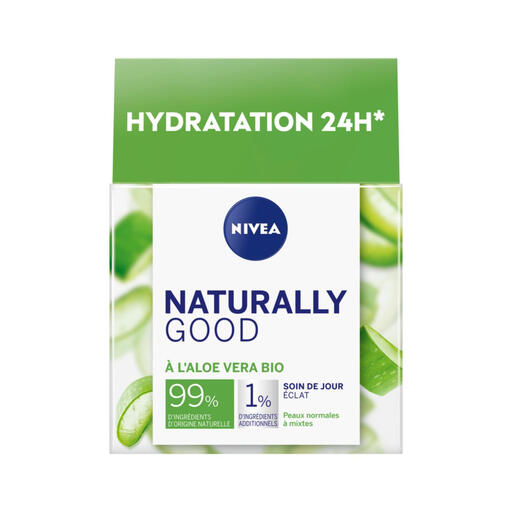
Why this pick suits this profile: This day cream fits easily into a daily routine that relies on a texture rich in plant oils.
The formula and the recommendation to avoid the eye area are clearly stated. The INCI list also lets you identify the fragrance and perfuming components.
50 ml, 99% naturally derived ingredients stated, with jojoba and sweet almond oils.
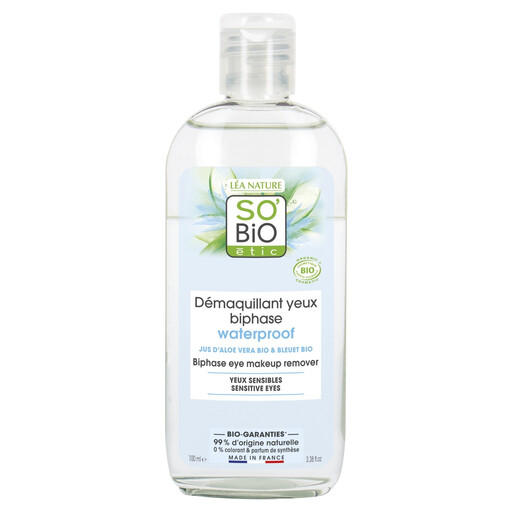
Why this pick suits this profile: Its bi-phase formula meets a very specific need: removing waterproof eye makeup, including for contact lens wearers according to the product description.
The intended use is clearly targeted, and the instruction to shake the bottle before application prevents you from using just one of the two phases.
100 ml, 99% naturally derived ingredients stated and COSMOS Organic certification indicated.
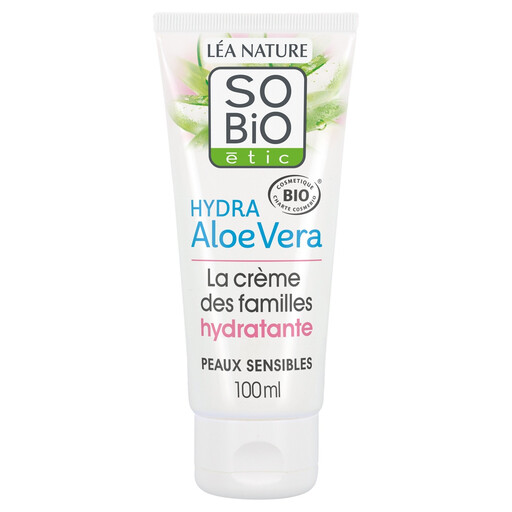
Why this pick suits this profile: Suitable for face, body and hands, it’s ideal for households that want to avoid cluttering the bathroom with lots of different products.
The COSMOS Organic certification, detailed composition and usage precautions let you verify the brand’s claims.
100 ml, 99% naturally derived ingredients stated and 20% from organic farming.
We’ve put together a full, real-time updated selection of products that meet these strict criteria as well as European safety requirements.
Mango aloe vera drink goes for a fruity, tropical note. The OKF mango references contain aloe vera juice, gel and vitamin C. Peach aloe vera drink combines a gel texture with a peach flavour. As for lychee aloe vera drink, it stands out with a more floral taste and a stated sugar content of 4.7 g per 100 ml on the relevant reference.
For a first order, the 500 ml size is ideal for getting a feel for it. To go with meals, stock up for an event or build a supply, packs of 12 or 20 bottles can be more practical – as long as you have enough space to store them.
Before opening, follow the instructions on the packaging and store the bottle in a cool, dry place. Once opened, the references featured here generally recommend putting it in the fridge and consuming it quickly, often within the day. If the drink contains gel or pulp, remember to shake it before serving.
Aloe vera micellar water is used to cleanse the face and, depending on the manufacturer’s instructions, can also be used on the eyes. Eye makeup remover is specifically designed for that area and may have a bi-phase texture to tackle waterproof makeup. In both cases, avoid direct contact with the eye and rinse thoroughly if irritation occurs.
No. An organic certification mainly tells you about the formulation method and the ingredients involved; it doesn’t guarantee that the product will be well tolerated by everyone. Check the INCI list, look out for any fragrance or allergens, and introduce the product gradually. For an aloe vera product for sensitive skin, choose a formula that’s clearly suited to the area in question and to your habits.