
Livraison le jour même ou le lendemain

Qualité garantie

Débloquez vos offres de bienvenue: Livraison GRATUITE | Jusqu'à -80 % | 30 jours d'essai gratuits à JoyPlus
Téléchargez l'application
An aloe vera drink appeals thanks to its pulpy texture, fruity flavours and exotic image. But not all products are the same, or suited to the same preferences. Whether you’re looking for sweetened aloe vera juice, a no-added-sugar drink, a recipe with pieces of gel or a larger bottle, it’s worth checking the label carefully.
Shoppers often fall into three traps:
Seeing ‘aloe vera’ on the front of the bottle doesn’t guarantee that the drink contains a high proportion of aloe vera juice. Check the ingredients list for juice, gel, pulp or gel powder.
In this selection, several products contain between 20% and 30% aloe vera. Queen Nature’s 500 ml aloe vera drink and T’BEST Original juice each state that they contain 30% juice and pulp. OKF recipes may combine juice, gel and pieces of gel for a thicker texture.
Visible pulp makes the drink feel thicker, sometimes with a slightly jelly-like texture. It may not suit anyone looking for a completely smooth drink. Remember to shake the bottle as directed on the packaging.
When comparing aloe vera juice, start by checking the nutritional information per 100 ml, then work out the amount for the whole bottle. A recipe with 8 or 9 g of sugars per 100 ml contains around 40 to 45 g in a 500 ml bottle.
OKF Mango, Kiwi, Strawberry and Watermelon drinks contain between 36 and 41 kcal per 100 ml, with sugars from ingredients such as fructose or sugar. By contrast, Tropical Aloe Vera Zero contains 5 kcal and 1.2 g of carbohydrates per 100 ml, but includes acesulfame K. So ‘no added sugar’ doesn’t necessarily mean ‘no sweeteners’.
Queen Aloe Vera Pomegranate contains 20 kcal and 4.6 g of sugars per 100 ml, and includes sucralose. This information can help you choose according to your preferences, without jumping to conclusions about whether a recipe meets a particular nutritional need.
Flavour clearly plays an important part in the experience:
After opening, most bottles need to be kept in the fridge and used soon. Always check the label on the product you receive, particularly for storage instructions and how long it can be kept.
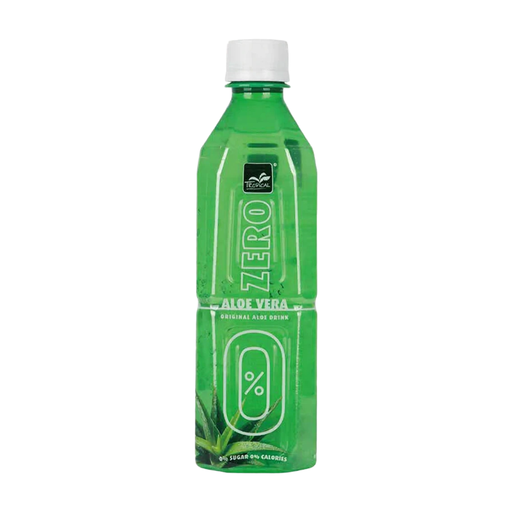
Why it suits this profile : At 500 ml, this bottle fits easily into a bag for work or when you’re out and about. The recipe contains 5 kcal per 100 ml and no added sugar, but does contain a sweetener.
The label clearly distinguishes between no added sugar and the presence of acesulfame K. The energy content is also stated clearly.
A 500 ml bottle with aloe vera pulp and a low-calorie recipe, according to the information provided.
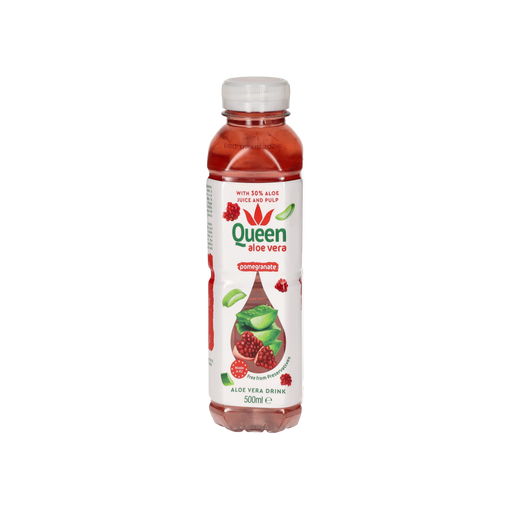
Why it suits this profile : This recipe combines 30% aloe vera juice and pulp with 1% pomegranate concentrate, for a fruity drink with tangy notes.
The proportion of aloe vera, amount of pomegranate concentrate and nutritional information are all detailed, making it easier to compare.
20 kcal and 4.6 g of sugars per 100 ml, in a 500 ml bottle containing pulp.
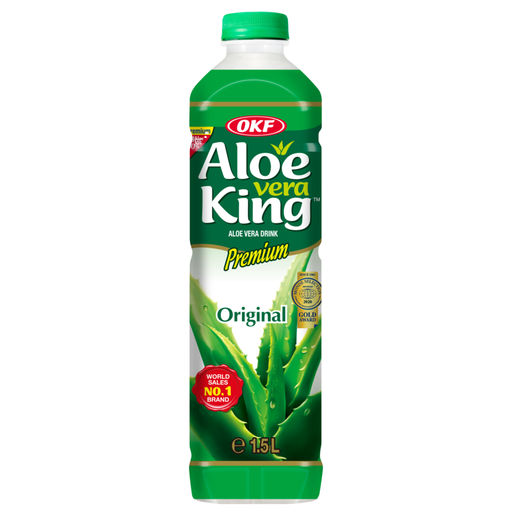
Why it suits this profile : Its larger size is ideal for a household or regular use, especially if several 500 ml bottles are taking up too much space.
The bottle size is clearly stated, along with the need to refrigerate it after opening and use it soon.
1.5 litres, pieces of gel, grape flavour and 36 kcal per 100 ml according to the product information.
We’ve brought together a complete range, updated in real time, of products that meet these exacting criteria and European safety regulations.
A drink shouldn’t be confused with a cosmetic product. Aloe vera gels and creams for the face or body are for use on the skin only and are not intended to be swallowed.
Avril Aloe Vera 150 ml gel can be used on the face, body and hair, and has a Cosmos Organic-certified formula. SO’BIO ÉTIC multi-purpose cream combines organic aloe vera, rose floral water and shea butter. For an after-sun routine, Nivea skincare products combine aloe vera and hyaluronic acid. Check the INCI ingredient list and try the product on a small area first if your skin is prone to reacting.
No. Some recipes contain sugar, fructose or honey, while others state that they have no added sugar. However, they may still contain sweeteners. To compare products, check both the ingredients list and the amount of sugars per 100 ml.
Before opening, product information generally recommends storing the bottle in a cool, dry place. Once opened, it should be refrigerated and used within the time stated. Shake it before serving if the recipe contains pulp or pieces of gel.
It depends on what you’re looking for. Kiwi and pomegranate have tangier notes, while mango and strawberry are sweeter. Watermelon is a better choice for fans of light, fruity flavours. Whatever you choose, check the aloe vera and sugar content first.