
Livraison le jour même ou le lendemain

Qualité garantie

Débloquez vos offres de bienvenue: Livraison GRATUITE | Jusqu'à -80 % | 30 jours d'essai gratuits à JoyPlus
Téléchargez l'application
Choosing an aloe vera drink is about more than finding an attractive clear bottle with a fruity flavour. The amount of aloe vera, sugar content, presence of pulp, sweeteners and pack size can all vary considerably from one product to another, affecting both the taste and the price per litre.
Before you fill your basket, here are the main pitfalls to avoid and the details to check on the label.
The product name doesn’t always tell you exactly how much juice or gel it contains. Some drinks may have just a few pieces of pulp, while an aloe vera juice or a recipe that states it contains 20 to 30% aloe vera will have a much more noticeable texture.
Check the ingredients list for juice, gel, pulp or concentrate, and look for the percentage shown.
“Zero” sometimes means there are no added sugars, but the recipe may still contain a sweetener such as sucralose or acesulfame-K. It’s essential to check both the nutrition table and the full ingredients list.
For example, Queen Aloe Vera Zero 500 ml lists 20 kcal and 4.5 g of sugars per 100 ml. Based on the information provided, that works out at 22.5 g of sugars per bottle. OKF Aloe Vera Drink Sugar-Free 500 ml, on the other hand, states 0 g of sugar and 2 kcal per 100 ml, and contains sucralose.
An aloe vera drink with pulp usually needs to be shaken before opening, as the pieces tend to settle at the bottom. Once opened, the bottle will often need to be kept in the fridge and finished promptly. The recommended time can range from one day to two or three days, depending on the product.
A 500 ml bottle is a good size for one person. A larger bottle or a multipack of aloe vera drinks may be more practical for a household, as long as you have enough space in the fridge and cupboards.
Not all recipes feel the same in the mouth. OKF Aloe Vera King drinks, for example, combine gel powder, gel and aloe vera juice. Some contain 18% gel powder, 9% gel and 3% juice.
If you prefer a lighter texture, look for a drink described as a juice with fine pulp. For something more substantial, check for gel pieces, aloe vera gel or pulp.
Start by comparing the figures per 100 ml, then work out how they add up over the whole bottle. A 500 ml bottle containing 10 g of sugars per 100 ml provides around 50 g in total. Fruity recipes can also vary significantly: OKF Strawberry contains 14 g of sugars per 100 ml, while some sugar-free versions remain at around 2 kcal per 100 ml.
A sugar-free aloe vera drink may suit you if you’re looking to limit your sugar intake. However, its taste will depend on the sweetener used. It’s best to read the ingredients rather than relying on the claim on the front of the bottle.
Fruity recipes make it easy to find a drink that fits your tastes:
For a break at work, a 500 ml aloe vera drink is easy to carry. At home, a 1.5-litre bottle or multipack can help you avoid placing repeat orders.
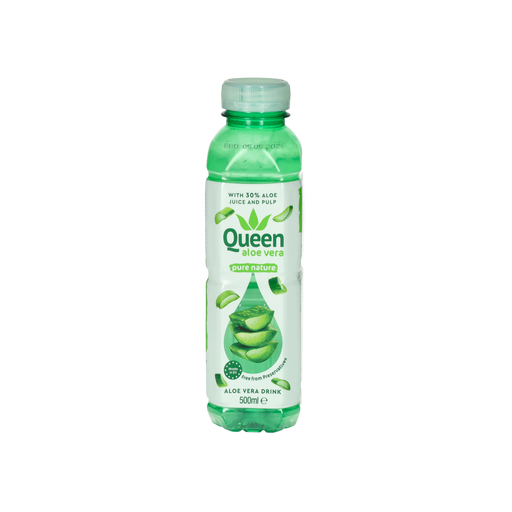
Why it suits this profile : Its handy 500 ml size lets you try a drink containing 30% aloe vera juice and pulp without having to buy a larger pack.
The aloe vera percentage is clearly stated, so you’re not choosing based solely on the packaging or the featured flavour.
30% juice and pulp, 20 kcal per 100 ml, a handy bottle and no allergens stated.
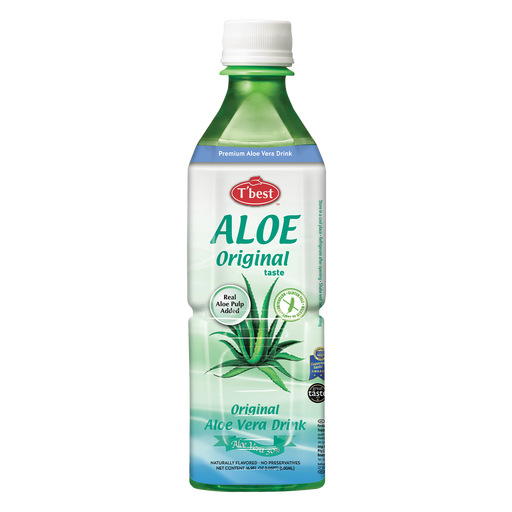
Why it suits this profile : This recipe contains 30% juice and pulp. Its understated packaging should appeal to fans of Korean drinks.
The aloe vera content is clearly stated in the product information, unlike drinks that focus solely on their fruity flavour.
30% juice and pulp, vitamin C listed in the ingredients and a 500 ml bottle.
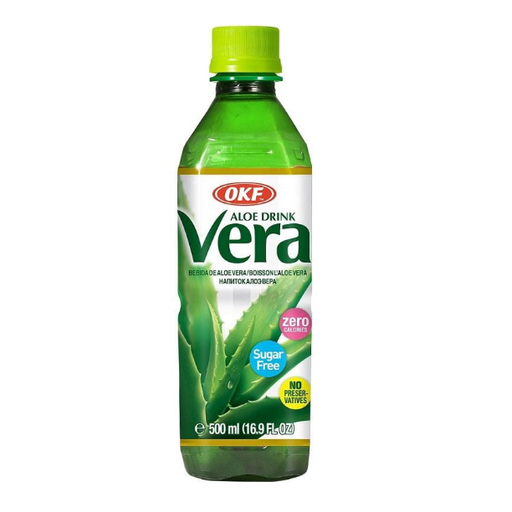
Why it suits this profile : The product information states 0 g of sugar and 2 kcal per 100 ml, which may appeal if you’re keeping a close eye on your intake.
The sugar-free claim is backed up by detailed nutritional information, and the presence of sucralose is clearly stated.
13% aloe vera juice, 7% gel, 0 g of sugar and a 500 ml bottle.
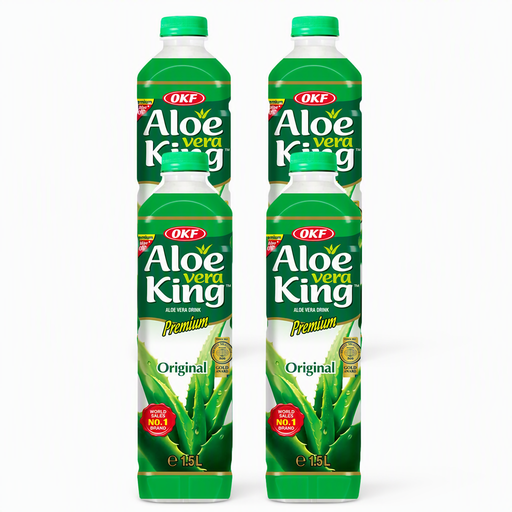
Why it suits this profile : The total volume is ideal for households that enjoy aloe vera drinks regularly and want to avoid placing frequent orders.
The pack details the volume and number of bottles, making it easy to compare the price per litre.
Pack of four 1.5-litre bottles, gel pieces and 36 kcal per 100 ml according to the product information.
We’ve put together a comprehensive selection, updated in real time, of products that meet these strict selection criteria and European safety requirements.
Before opening, many products can be stored in a cool, dry place, as directed on the label. Once opened, put the bottle in the fridge and follow the manufacturer’s recommended time for drinking it. If the drink contains pulp, remember to shake it gently before serving.
Multiply the figure given per 100 ml by five. So a drink with 8 g of sugars per 100 ml contains around 40 g in a 500 ml bottle. To compare products accurately, check the full nutrition table rather than relying on claims such as “fruity” or “natural”.
Peach, mango and grape have mild flavours that are easy to enjoy. Strawberry and watermelon are more indulgent, while lemon and ginger add a livelier note. To try the texture, choose a recipe that clearly states it contains aloe vera gel or pulp.