
Livraison le jour même ou le lendemain

Qualité garantie

Débloquez vos offres de bienvenue: Livraison GRATUITE | Jusqu'à -80 % | 30 jours d'essai gratuits à JoyPlus
Téléchargez l'application
An aloe vera drink might seem simple to pick: a bottle, a fruity flavour and a promise of refreshment. Yet the ingredients can vary significantly from one product to the next, whether it's aloe vera juice, a drink with pulp or a sugar-free formula.
To avoid any unpleasant surprises, keep three common pitfalls in mind:
The phrase aloe vera drink with pulp isn't enough to compare two products. Look at the ingredients list and distinguish between:
A 20% or 30% aloe vera content might combine both juice and pulp. So it's better to read the full ingredients list rather than just comparing the percentage on the front of the bottle.
If you're looking for a sugar-free aloe vera drink, check the nutritional information per 100 ml, rather than relying on the product name alone. A 500 ml bottle multiplies the values shown per 100 ml by five.
For comparison, the product listings available mention the following:
These details should be verified on the packaging you receive, as recipes and labelling can change. A drink containing a sweetener isn't necessarily "sugar-free" in nutritional terms if its table still shows sugars.
A 500 ml bottle is suitable for individual consumption, at the office or on the go. A pack of 20 bottles will be better for a family, a stock-up or shared consumption, provided you have enough space to store them.
When it comes to flavours, it all depends on what you're after:
Once opened, follow the manufacturer's instructions. Some listings recommend drinking the bottle within 48 hours, while others advise consuming it quickly after refrigeration. If the drink contains pieces, remember to shake it before serving.
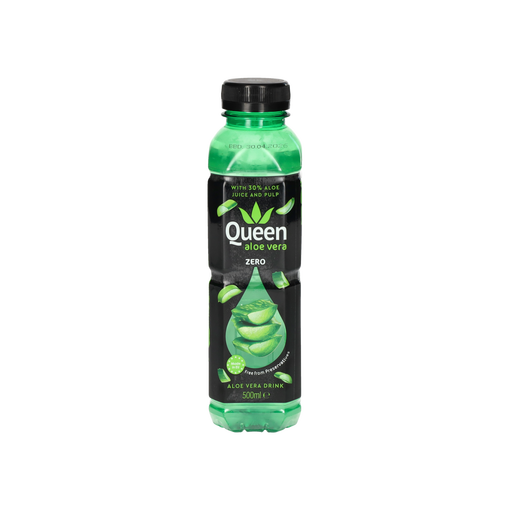
Why this suits this profile: Its individual format and stated 20 kcal per 100 ml let you start with a single 500 ml bottle, without committing to a larger carton straight away.
The listing specifies 30% aloe vera juice and pulp. The table also shows 4.5 g of sugars and the presence of sucralose per 100 ml, so the composition is clearer than a simple "zero" promise.
30% aloe vera stated, 20 kcal per 100 ml, 500 ml bottle and contains pulp.
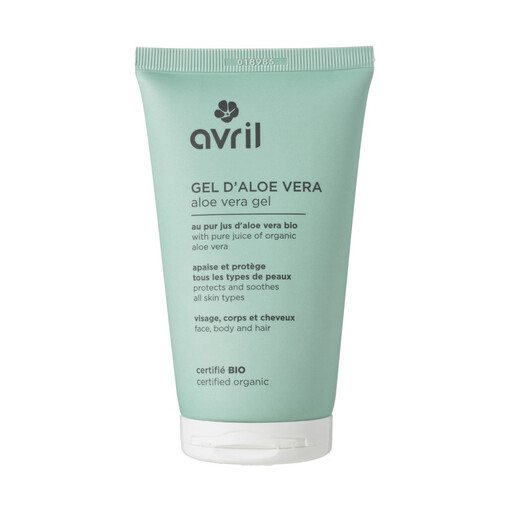
Why this suits this profile: To complement a wellness routine, this cosmetic gel made in France can be used on the face, body and hair.
This isn't a drink: its labelling clearly states it's for external use only. That helps avoid confusing cosmetic aloe vera gel with a food product.
99% naturally derived ingredients, 96% from organic farming according to the listing, Cosmos Organic certification and vegan formula.
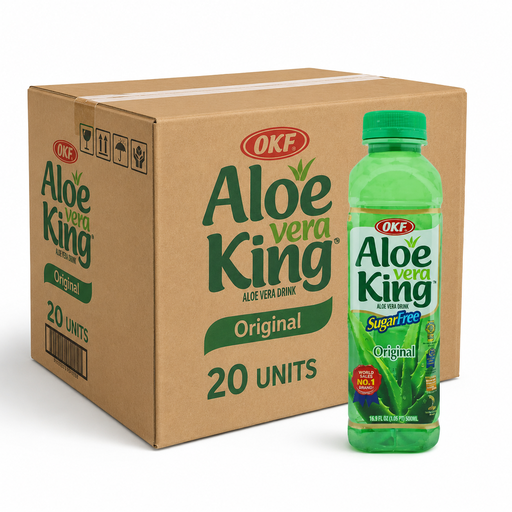
Why this suits this profile: The carton of 20 bottles is ideal for an office, a family or regular consumption. Each bottle is ready to take on the go.
The listing states 21% organic aloe vera juice and 9% gel. It also mentions 0 g of sugars, but the stated energy value is worth checking on the label before purchase.
Pack of 20 x 500 ml bottles, contains juice and gel, light grape flavour according to the description.
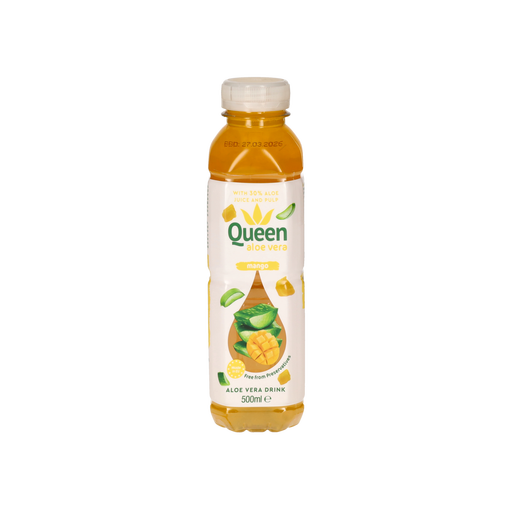
Why this suits this profile: Its mango flavour, individual format and texture combining juice and pulp will appeal to anyone looking to switch from their usual soft drinks.
The listing details 20 kcal and 4.6 g of sugars per 100 ml. It also notes the presence of pulp and recommends chewing it, giving you a good idea of the expected texture.
20% juice and pulp according to the list, 20 kcal per 100 ml, 500 ml bottle and mango flavour.
We've put together a comprehensive, real-time updated list of products that fully meet these strict selection criteria and European safety regulations.
The term aloe vera covers both food products and cosmetics. An aloe vera drink is intended for consumption as per its labelling instructions. An aloe vera gel or cream should only be applied to the skin or hair when the product specifies this.
Before placing an order, make sure to check:
Claims of soothing or moisturising should be taken as indications of use, not as medical guarantees. If you have sensitive skin, examine the formula and, if necessary, do a patch test on a small area.
Not necessarily. A product may contain sugar, fructose, honey or a sweetener. To choose a sugar-free aloe vera drink, check the "of which sugars" line on the nutritional table as well as the ingredients list.
The shelf life depends on the product. Listings often recommend keeping the bottle in the fridge and consuming it within 48 hours, or even soon after opening. Seal it, put it in the fridge and follow the instructions on the packaging as a priority.
Aloe vera juice is generally thinner. A drink with pulp contains fragments or gel, giving it a more substantial mouthfeel. Shake the bottle before drinking if the label recommends it. If you prefer a completely smooth drink, go for a pulp-free formula.