
Livraison le jour même ou le lendemain

Qualité garantie

Débloquez vos offres de bienvenue: Livraison GRATUITE | Jusqu'à -80 % | 30 jours d'essai gratuits à JoyPlus
Téléchargez l'application
The aloe vera drink has carved out a prime spot in the beverage aisle, positioning itself as a unique alternative to traditional sodas and fruit juices. It's loved for its unique texture, with its chewable pulp pieces, and for its out-of-the-ordinary flavours. But be warned, not all bottles are created equal. Between labels that embellish the truth and endless ingredient lists, it's easy to make the wrong choice.
As a product expert at Joybuy, my mission is to help you see things more clearly. Let's cut through the marketing noise and focus on what's essential. Here are the most common pitfalls and the criteria you need to know to choose an aloe vera drink that truly delivers on its promises.
Faced with an aisle of exotic drinks, it's hard to know where to start. The bottles may look similar, but the quality can vary dramatically. Here are the two most common mistakes to avoid:
A quick glance at the label is all it takes to avoid making a mistake. Here are the points to scrutinise to make an informed choice.
This is THE number-one criterion. A quality drink must clearly state the percentage of aloe vera gel and/or pulp it contains. Aim for at least 15-20% to ensure you're not just drinking flavoured water. If the terms "juice and pulp" or "gel" appear at the top of the ingredient list, it's usually a good sign.
For a refreshing drink that presents itself as a healthy alternative, the sugar content is a critical factor. Take a look at the "Carbohydrates of which sugars" line in the nutritional information. Anything over 10g per 100ml is on the high side. If you're looking for a lighter option, opt for a sugar-free aloe vera drink or one that uses sweeteners. Be wary if syrups (fructose, glucose) are at the top of the ingredient list.
Korean drinks are often the benchmark in this category, with brands like OKF that have mastered their craft and offer a vast range. The origin is often a sign of expertise. Don't hesitate to explore the different flavours (mango, lychee, strawberry...) to find your favourite, but make sure the taste comes from real fruit juices and not just artificial flavourings.
To help you make your choice, here is our selection of products that tick all the boxes for different types of consumers.
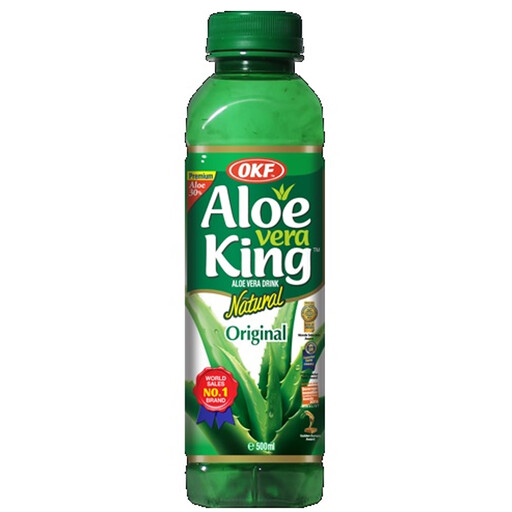
Why we chose it: It's the benchmark—the original version that introduced aloe vera drinks to Europe. It offers a perfect balance between the sweetness of white grape and the unique texture of its pulp pieces. Ideal for first-timers.
The composition is transparent: real juice and real aloe vera gel pieces, a far cry from purely flavoured substitutes. Its sugar content (8g/100ml) is reasonable for this type of drink.
Its texture with real, chewable pieces and its refreshing flavour, with just the right amount of sweetness.
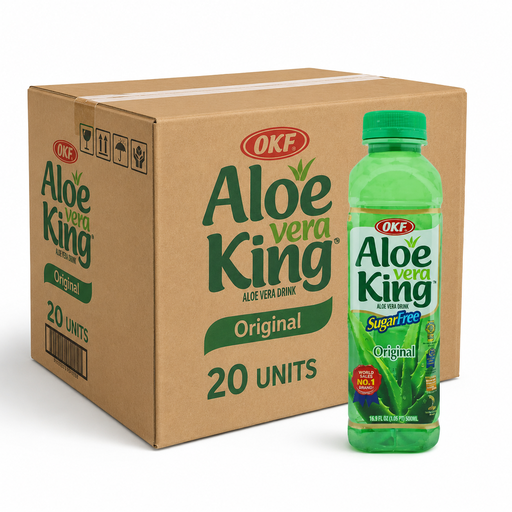
Why we chose it: The ideal option for those watching their sugar or calorie intake. It lets you enjoy the pleasure and texture of aloe vera without compromising your diet.
There's no deception here: the "Sugar-Free" claim is genuine, as confirmed by the nutritional label (0g of sugar). The hidden sugar trap is completely avoided.
Zero sugar, zero carbs, and almost no calories, while still containing 21% organic aloe vera juice and 9% gel.
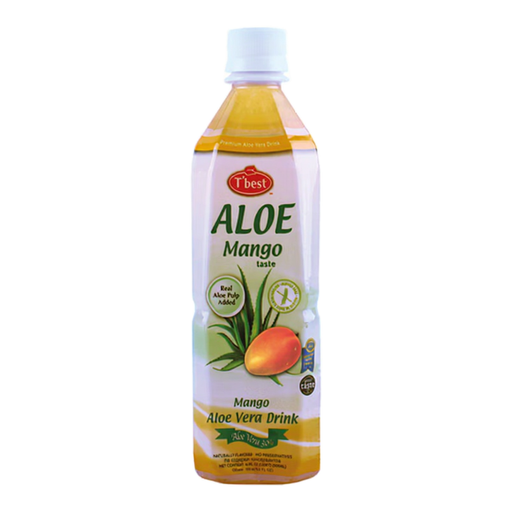
Why we chose it: For those who want to mix things up with a fruity, exotic twist. The combination of mango and aloe pulp works wonderfully and is an excellent alternative to classic sodas.
The recipe is straightforward: a generous amount of aloe vera pulp (around 20-30%) and real mango juice. This is far from a simple artificial flavouring—the taste and texture are both there.
The successful pairing of sweet mango, a much-loved fruit, and the unique texture of aloe vera.
Discover our full selection of drinks that meet our quality standards and regulations.
To make sure you get it right, check these three essential points:
No, far from it! The vast majority of commercial aloe vera drinks are sweetened. If you're looking for a light option, the "sugar-free" label is essential. Always check that the "sugars" line on the nutritional panel shows 0g.
Before opening, the bottle can be stored in a cupboard, away from heat and light. For the best taste and maximum refreshing effect, serve it chilled. Once opened, however, it belongs in the fridge! It should be consumed quickly, usually within 24 to 48 hours, as specified on the label.